

Table of Contents
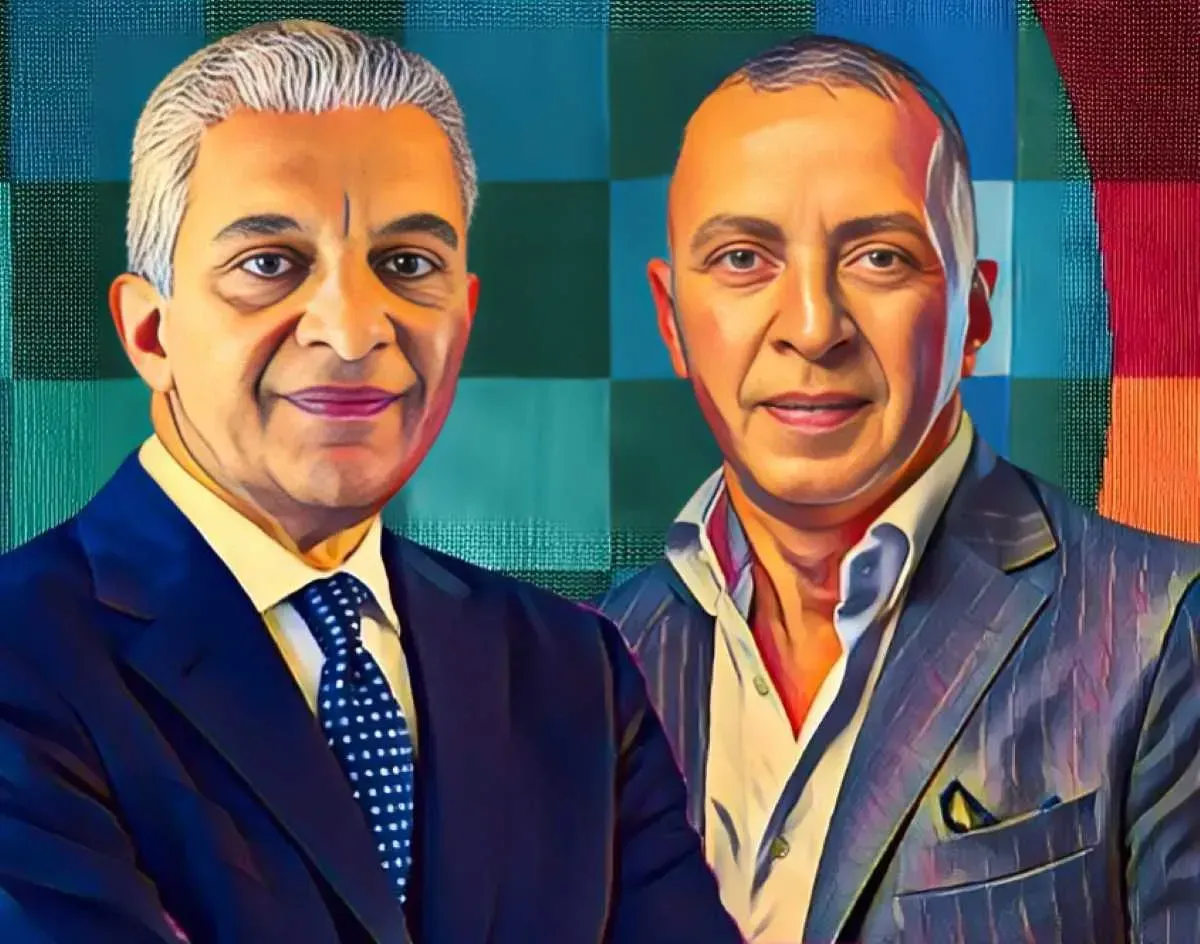
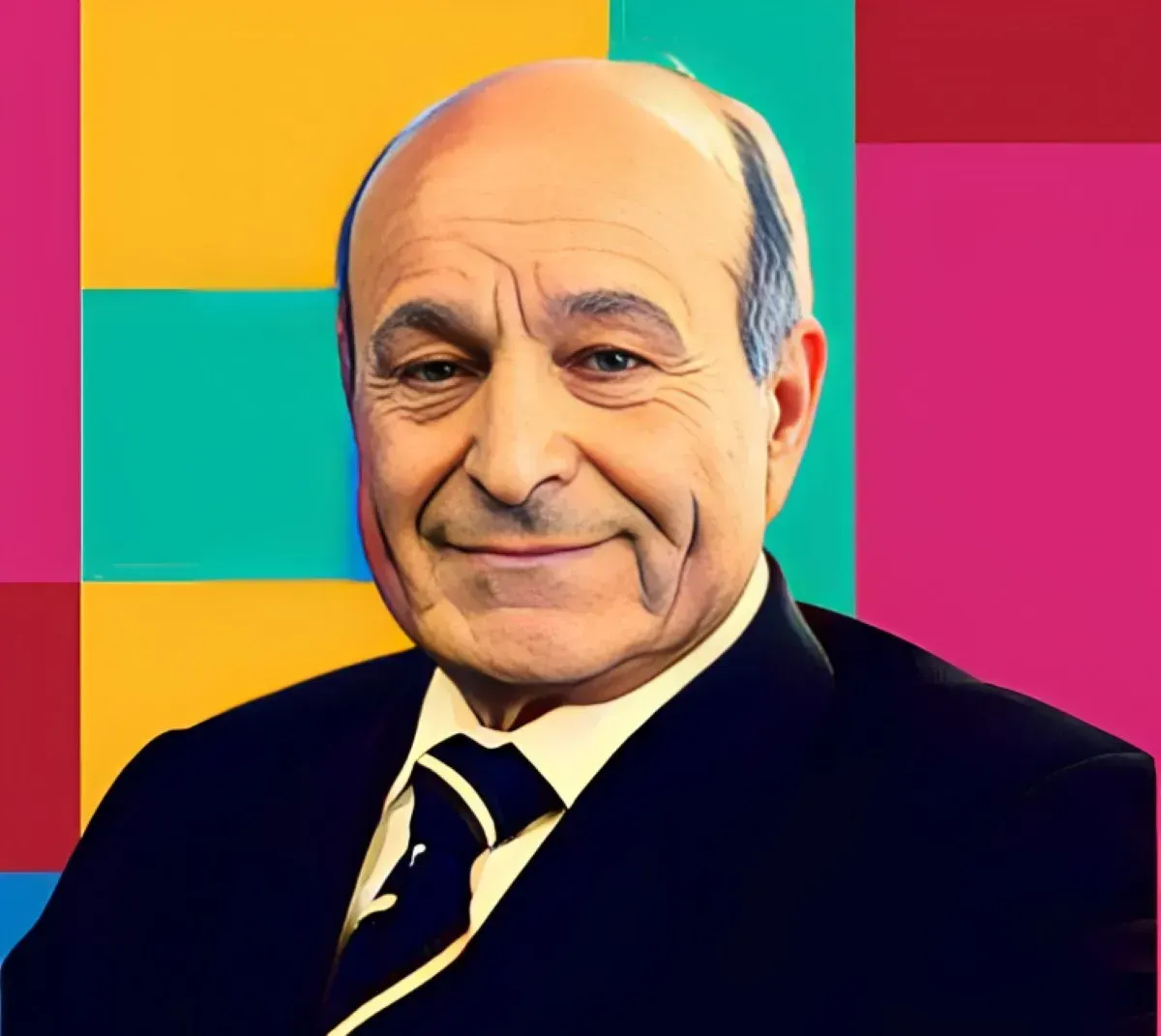
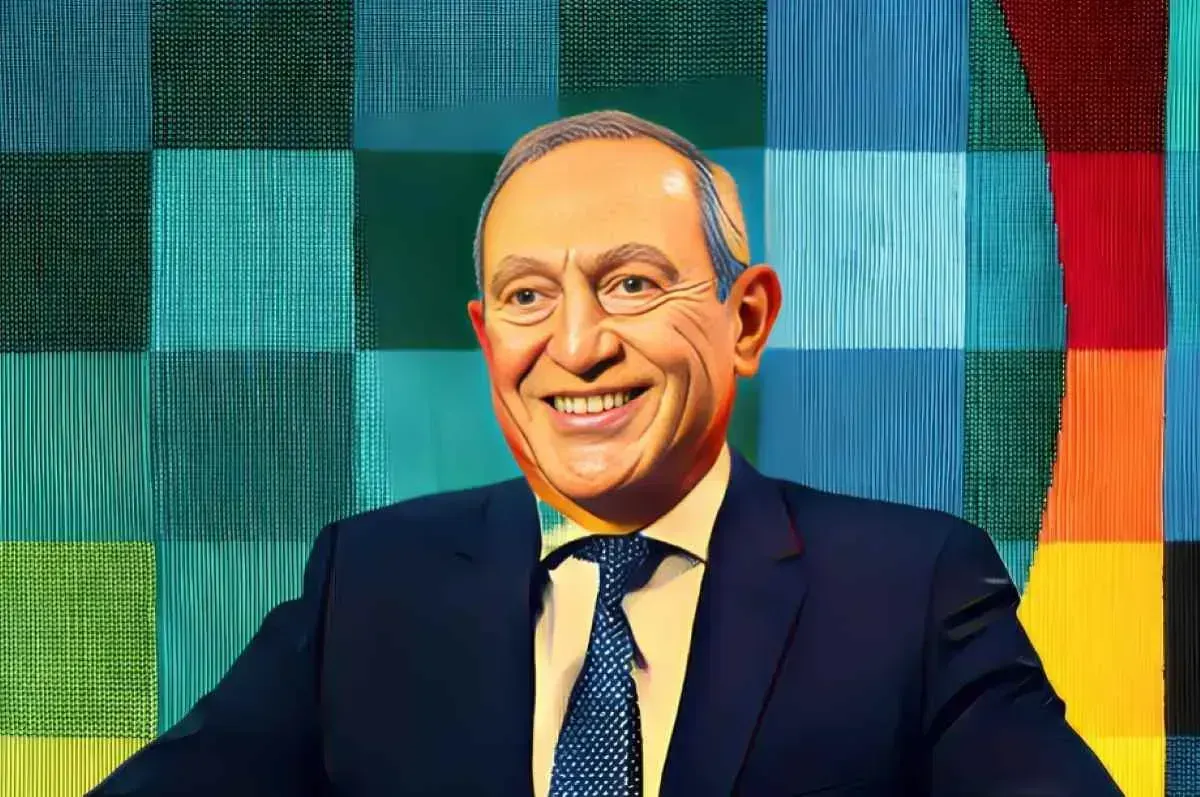
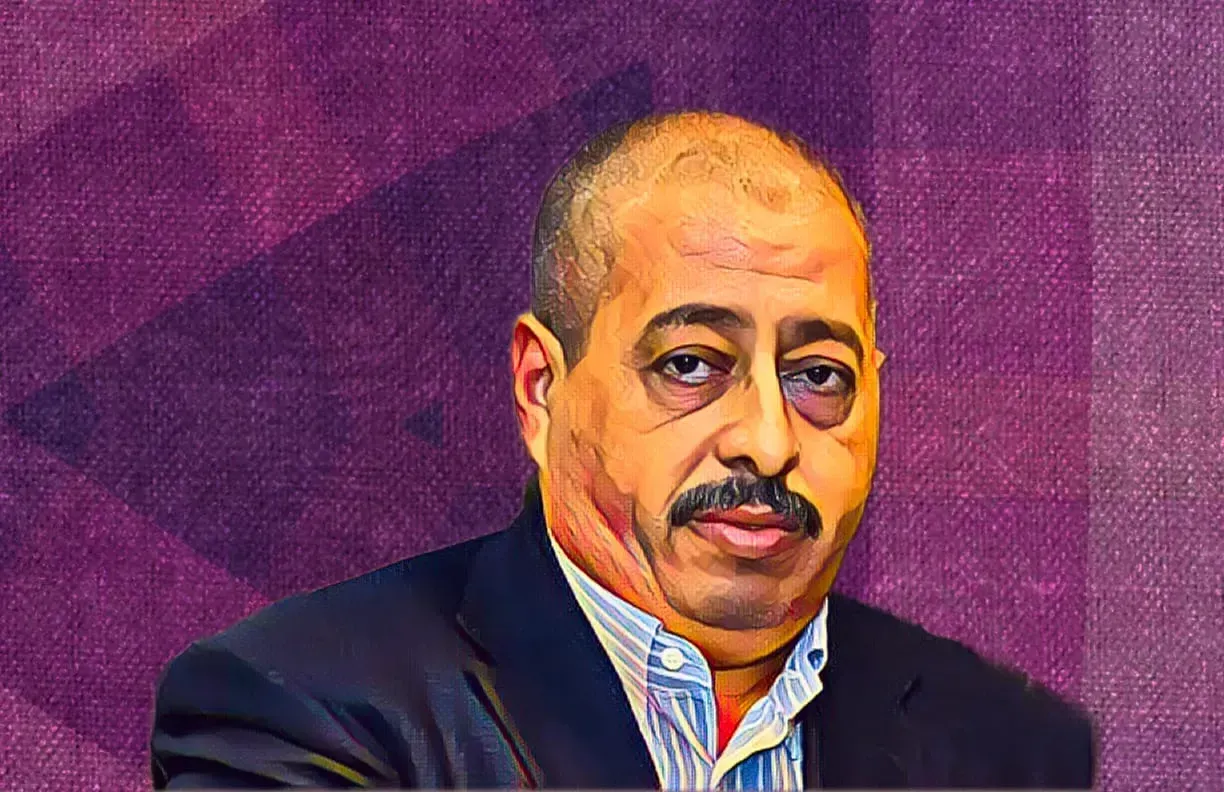
Mahieddine Tahkout, once among Algeria's most powerful businessmen, is facing renewed legal scrutiny after fresh allegations emerged in a widening corruption case centered on claims of diverted funds and cross-border money laundering.
Algerian authorities are examining accusations that billions of dinars linked to Tahkout were moved through private intermediaries and later used to acquire overseas assets, according to reports in Algerian media. The newest allegations add another layer to one of the country's most closely watched business scandals, a case that has already produced prison sentences, asset seizures and years of court proceedings.
Tahkout built his business empire during a period when politically connected entrepreneurs gained outsized influence in Algeria's economy. He became best known through vehicle assembly operations tied to Hyundai and through a transport network serving universities and public institutions. At his peak he was considered one of Algeria's richest private businessmen, with interests spanning automotive assembly, transport, education and other sectors that benefited from import restrictions and state-linked incentives.
That status collapsed after the fall of former President Abdelaziz Bouteflika in 2019, when prosecutors launched sweeping investigations into businessmen and officials accused of benefiting from corruption, favoritism and illicit enrichment. Tahkout was among the most high-profile names caught in that crackdown. He was sentenced in multiple proceedings, including a prison term handed down in 2020 in a case involving former senior officials and ministers. Courts also ordered seizures of assets linked to his business holdings.
The latest case centers on accusations that funds originally designated for business studies and projects were improperly transferred to private actors, then routed into foreign real estate and other holdings abroad. Authorities are reportedly examining whether shell structures or nominee arrangements were used to obscure ownership and move money across jurisdictions.
If substantiated, the claims would rank among the more significant cross-border financial misconduct cases to emerge from Algeria's post-2019 anti-corruption drive. Tahkout has not responded in detail to the newest accusations. The allegations remain subject to court proceedings and have not been finally adjudicated.
The case has already produced dramatic moments beyond the courtroom. Security services announced the seizure of hundreds of undeclared vehicles and luxury cars linked to his business holdings in recent years, with officials saying some assets had been deliberately concealed from judicial authorities. Those seizures became a symbol of the wealth accumulated during the Bouteflika era and the state's effort to claw it back.
Cross-border cases of this kind are rarely quick. Tracing beneficial ownership, banking flows and property records across multiple foreign jurisdictions requires international cooperation that can stretch investigations over years. Algerian prosecutors have been building capacity for exactly this kind of complex financial investigation, but critics note that the pace of resolution often fails to match the scale of the allegations.
The Tahkout saga matters beyond one individual. His former businesses once employed thousands of workers directly and indirectly, particularly in transport and automotive-related activities. When those operations unravelled after his legal troubles, the disruption exposed how fragile business groups built around a single politically connected figure could be once that protection disappeared.
The automotive sector he dominated became a broader flashpoint. The industry received significant government incentives, import access and regulatory support during the Bouteflika years, and critics argued that the country saw little genuine industrial development in return. Most of the wealth generated stayed within a narrow circle rather than building lasting productive capacity.
Algeria's government has used prosecutions like the Tahkout case to signal that the patronage networks of the old order are being dismantled. But analysts argue that durable reform requires more than punishing past abuses. It requires changing the structural conditions that made those abuses possible, including the opaque relationship between political access and business opportunity that defined an entire generation of Algerian wealth creation.
Many Algerians still associate the case with the excesses of that era, when conglomerates expanded rapidly while ordinary citizens faced unemployment, housing shortages and stagnant purchasing power. The renewed focus on Tahkout will likely reopen those debates about asset recovery, accountability and what a genuinely reformed private sector should look like.
Years after his initial downfall, Tahkout remains at the centre of Algeria's reckoning with how fortunes were built and lost in modern Algeria.
The intelligence satisfies curiosity. The paid briefings satisfy strategy.
Every Monday, Elite subscribers receive an Investor Memo breaking down the deal, the structure and the positioning behind the week's most consequential African wealth story - the kind of analysis that doesn't appear anywhere else.
Twice a month, a Wealth Intelligence brief profiles a single billionaire's holdings, cash flows and expansion pipeline in detail no public source matches.
→ Executive ($25/mo): Daily newsletter + Deep-Dive Reports
→ Elite ($75/mo): Everything above + Investor Memos + Wealth Intelligence + Quarterly Analyst Briefings
Subscribe now