

Table of Contents
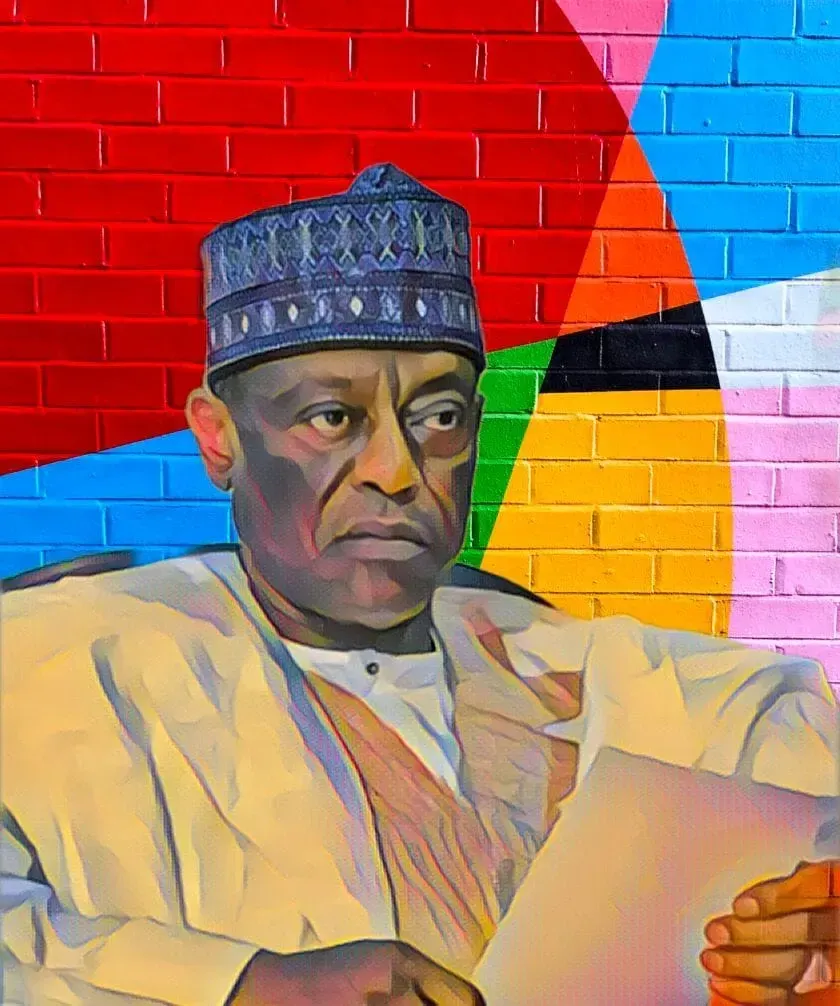
Mangal Industries Limited, the cement company owned by Katsina-born billionaire Dahiru Barau Mangal, has secured 3 internationally recognised ISO certifications at its $1.5 billion plant in Kogi State, less than 2 years after rolling out its first bag of cement in August 2024, the company announced on April 23.
The certifications cover quality management (ISO 9001:2015), environmental management (ISO 14001:2015) and occupational health and safety (ISO 45001:2018). In a statement, the company said the 3 standards validate that its "systems and processes meet rigorous global standards across its operational value chain, from procurement and quarry extraction to clinker production, cement grinding, packaging, storage, and distribution."
The timing is notable. Mangal Cement entered one of Nigeria's most competitive industrial sectors less than 2 years ago, going up against Dangote Cement, BUA Cement and Lafarge, companies with decades of market presence. Earning a triple set of ISO certifications this early in the company's commercial life sends a signal to contractors, government procurement offices and institutional buyers that the newcomer is building to international standards from the ground up.
The plant behind the certifications
The Mangal cement facility sits in Moba, Kogi State. Construction began in July 2022, following a $600 million deal signed in November 2021 with China's Sinoma International Engineering for a 3-million-metric-tonne-per-annum plant with a 50-megawatt captive power facility. Finnish energy company Wartsila won a 10-year operations and maintenance agreement for the power plant. The total investment grew to approximately $1.5 billion by the time the plant became operational, a figure that more than doubled from the original estimate partly as a result of the naira's sharp depreciation.
When the facility produced its first cement in August 2024, it immediately injected new competitive pressure into a market where prices had become a significant source of public frustration. The plant is capable of producing approximately 200 truck-loads of cement a day, with a production capacity of 6,000 tonnes daily. Its entry into the market contributed to the broader price easing that brought cement from above N10,000 a bag in some markets down toward the N6,000 range.
The Kogi plant is run by a management team assembled from the top of Nigeria's cement industry. CEO Fahad Mangal, Dahiru Mangal's son, leads the company. The executive director of sales, Nasiru Ladan Bashir, previously spent years at BUA Cement, rising to director of sales and marketing before joining Mangal in 2024. The plant manager and general manager of engineering, Engr. Adamu Mohammed Maaji, spent more than 3 decades in Nigeria's cement sector including time at Ashaka Cement under Lafarge, where he raised plant performance from 54% to 95% during his tenure as acting plant manager.
What the certifications mean in practice
The ISO 9001:2015 quality management certification is the most foundational of the 3. It establishes documented systems for consistently delivering products that meet customer and regulatory requirements, and subjects those systems to regular internal and external audits. In an industry where quality inconsistency has historically been a commercial and safety concern, holding this certification opens doors to government infrastructure tenders and institutional buyers who specify certified suppliers.
The ISO 14001:2015 environmental certification addresses how the company manages its impact on air, water and soil, a particularly sensitive area for cement plants given the dust emissions, quarrying activity and energy intensity involved in the production process. The ISO 45001:2018 occupational health and safety certification covers worker protection across the full production chain.
Together, the 3 certifications position Mangal not just as a domestic price competitor but as a company building the kind of institutional credibility that attracts international financing, export contracts and long-term procurement partnerships.
Who Dahiru Mangal is
Dahiru Barau Mangal is one of the most prominent businessmen in northern Nigeria, with a portfolio spanning aviation, oil and gas, real estate, agriculture, construction and now cement manufacturing. He founded Max Air, the Kano-based carrier that operates domestic routes and has flown millions of Nigerian Muslim pilgrims to Saudi Arabia on Hajj and Umrah missions. He was a non-executive director of MRS Oil Nigeria and retains shareholding in Oando Plc. He is a decorated figure in Nigeria's national honours system, holding the Commander of the Order of the Niger title, and is widely known in the north for distributing food across communities in Katsina, Kano and Kaduna on a regular basis.
The cement plant is the largest single investment in his business career. Its emergence as an ISO-certified operation within 2 years of first production suggests that Mangal and his management team are building a company designed to compete not just on price but on institutional standing within Nigeria's critical infrastructure supply chain.
The intelligence satisfies curiosity. The paid briefings satisfy strategy.
Every Monday, Elite subscribers receive an Investor Memo breaking down the deal, the structure and the positioning behind the week's most consequential African wealth story - the kind of analysis that doesn't appear anywhere else.
Twice a month, a Wealth Intelligence brief profiles a single billionaire's holdings, cash flows and expansion pipeline in detail no public source matches.
→ Executive ($25/mo): Daily newsletter + Deep-Dive Reports
→ Elite ($75/mo): Everything above + Investor Memos + Wealth Intelligence + Quarterly Analyst Briefings
Subscribe now