

Table of Contents
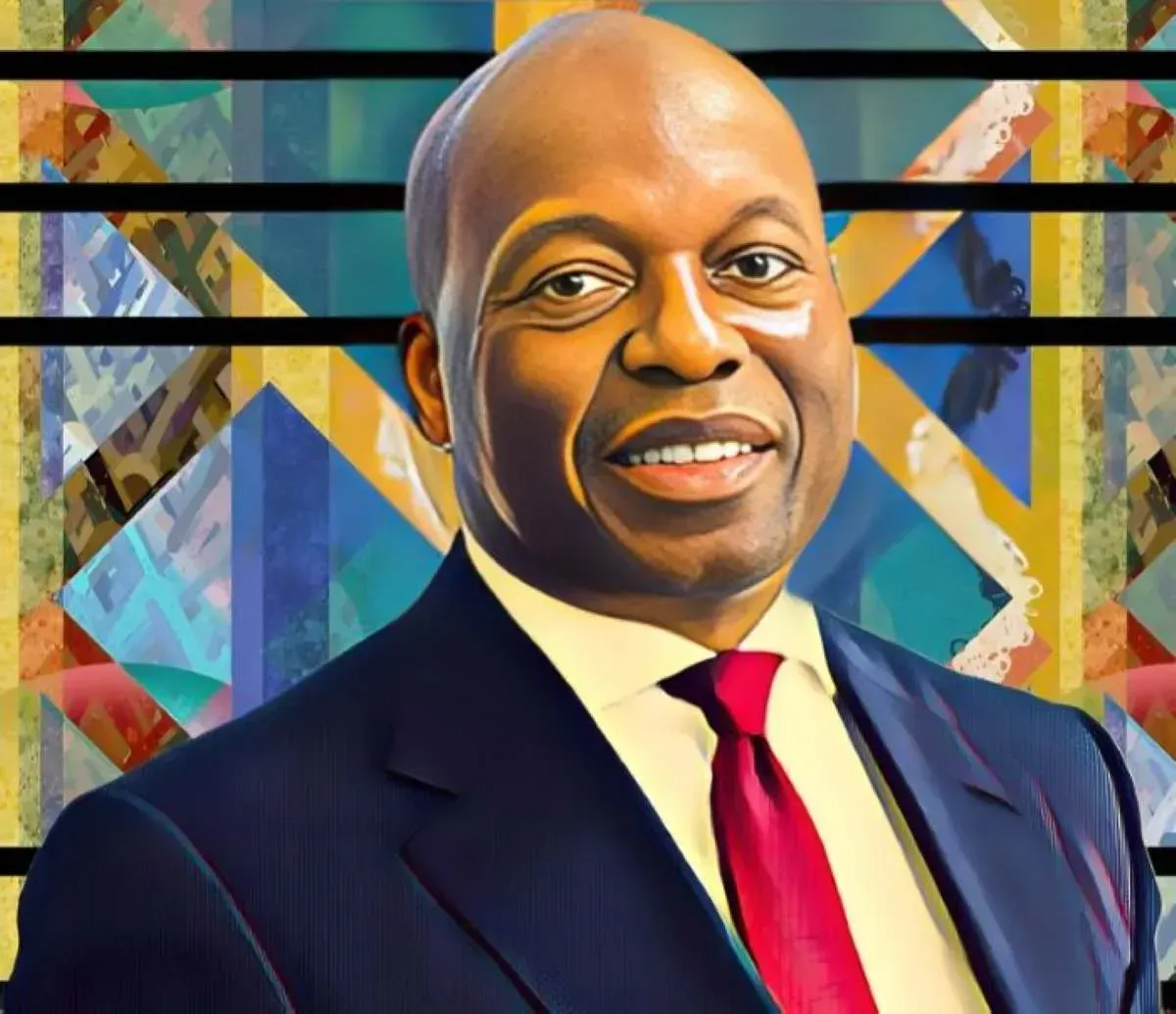
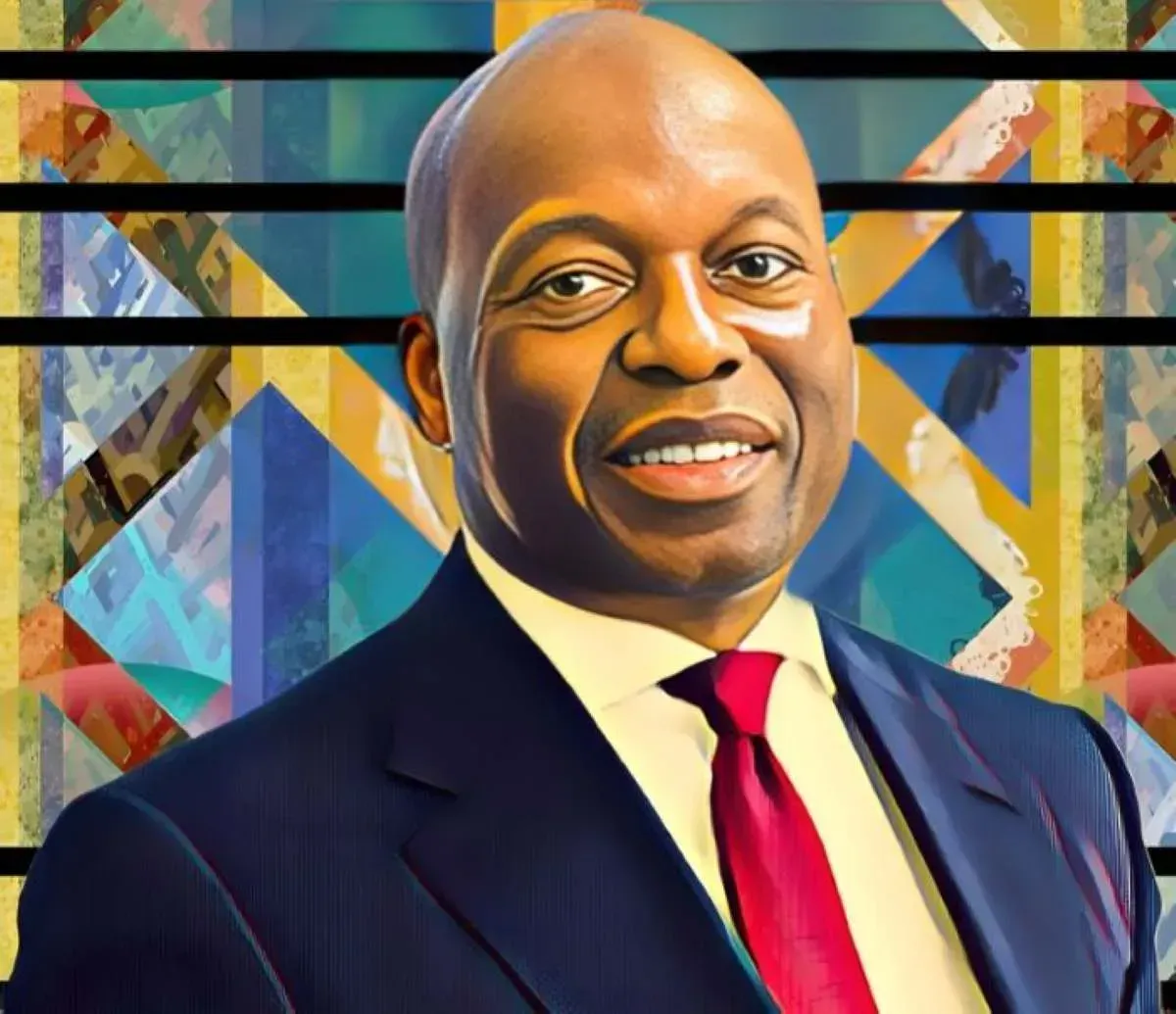
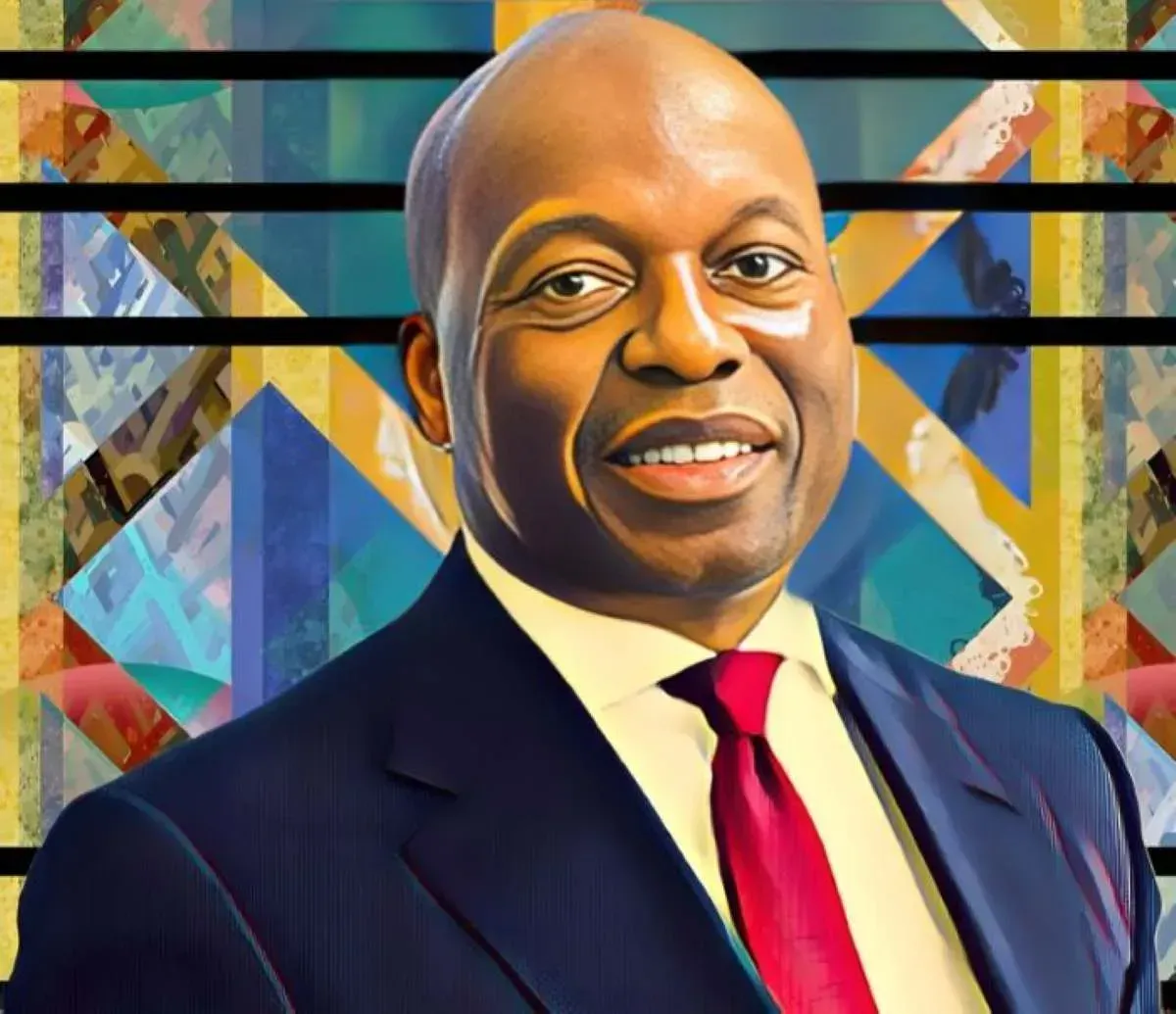
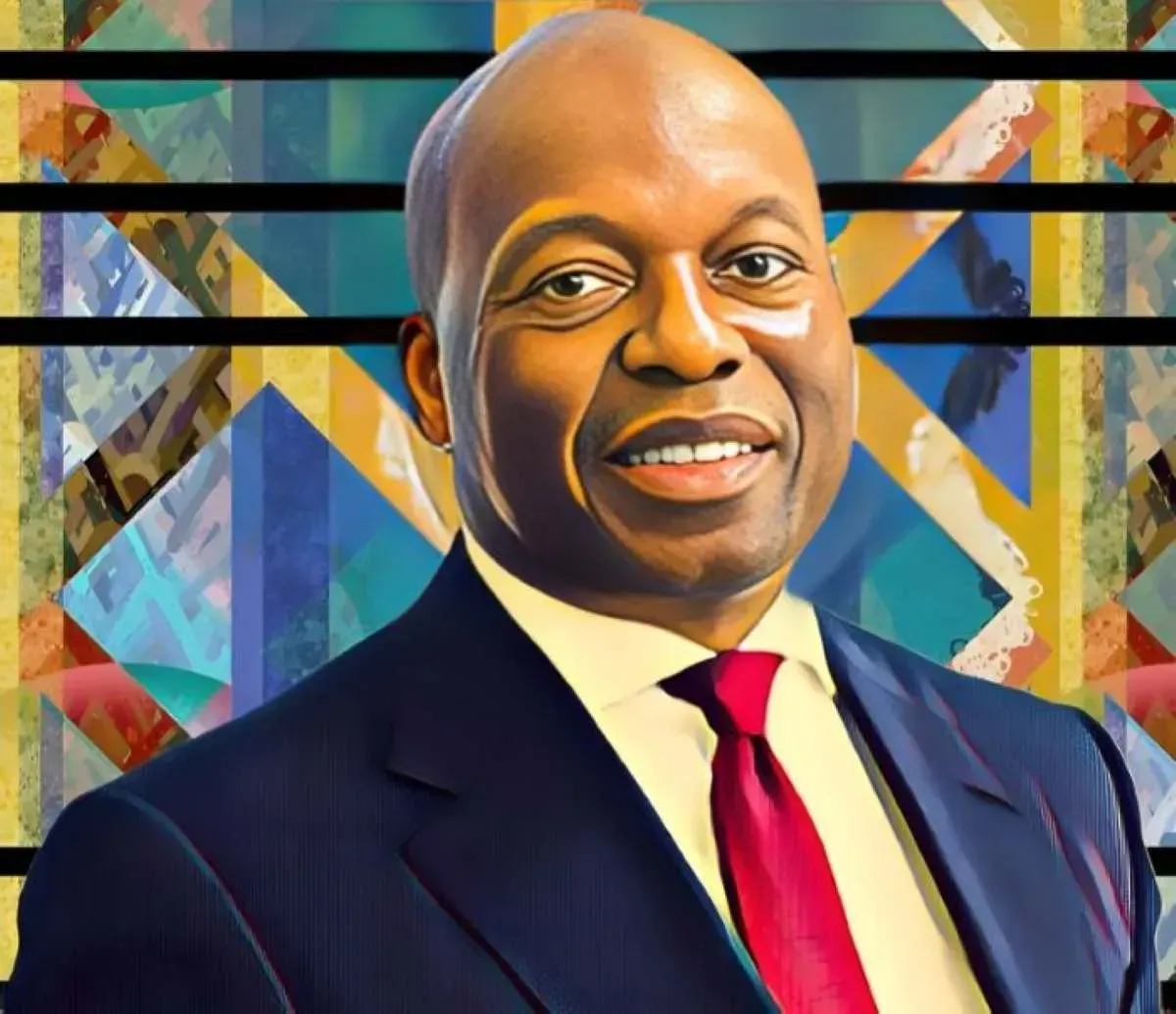
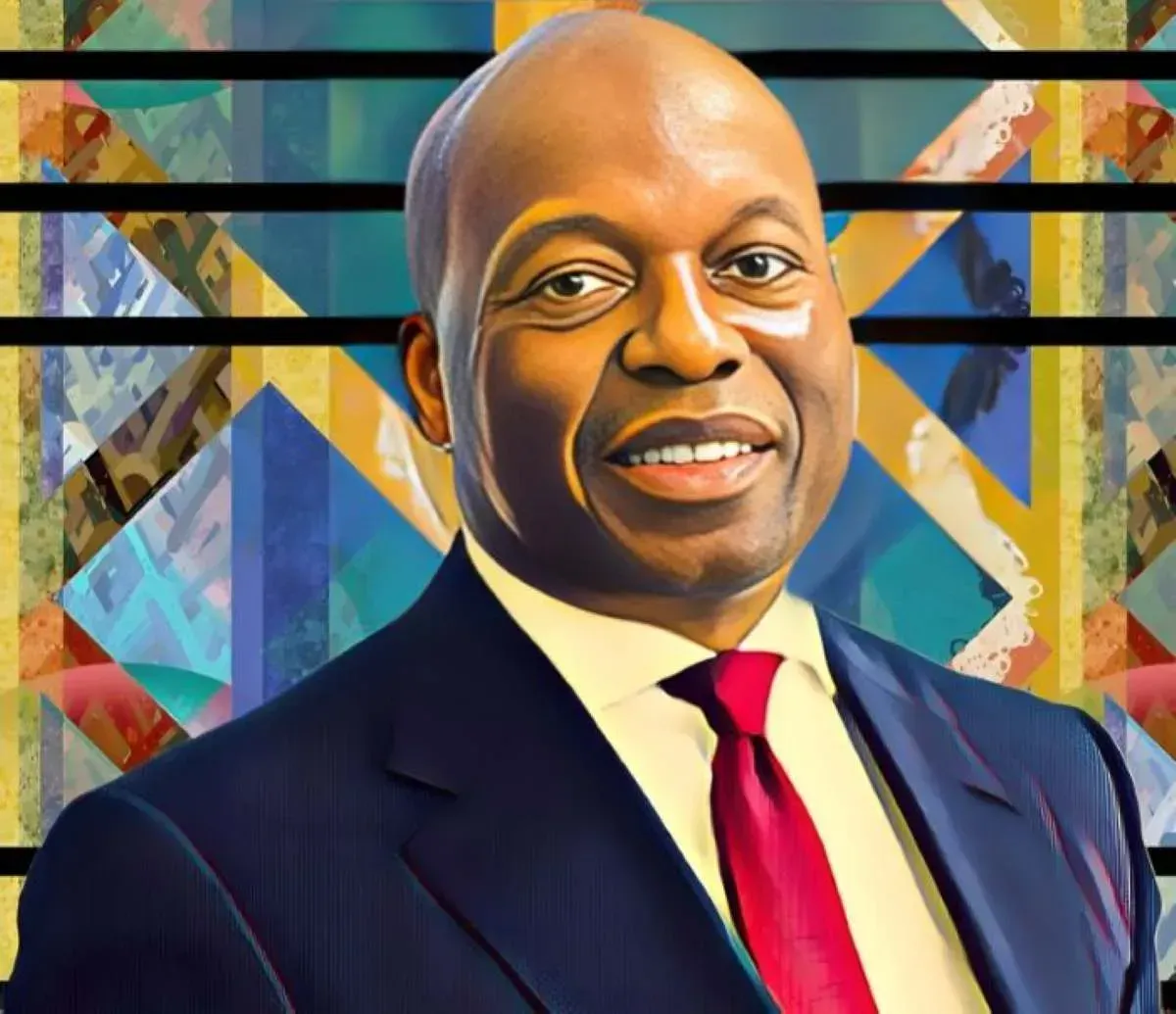
Wale Tinubu has a clear view of what he will and will not tolerate at Oando, and it is not what most employees would expect. The Oando chief executive sparked a debate this week after an interview clip circulated online in which he said he would rather let go of a loyal, consistent employee who had stopped growing than one who made mistakes but kept developing.
"I will fire an employee who is loyal and consistent but stopped growing," Tinubu said in the interview, published by Intel Region. The comment, delivered without qualification or softening, cut against the conventional wisdom in Nigerian corporate culture that loyalty and tenure are among the strongest shields an employee can carry.
His reasoning was direct. A company that tolerates stagnation in long-serving employees sends a message to its best performers that the rules do not apply equally, and that message, over time, corrodes the culture that produced the performance in the first place. Mistakes made in the process of attempting something are evidence of effort. Comfortable stillness is not.
Tinubu did not frame this as a theoretical management principle. He spoke from the position of someone who has run a complex energy conglomerate through multiple crises and restructurings. Oando PLC has had one of the most turbulent corporate histories of any listed company in Nigeria. Founded in 1994 as Ocean and Oil Group, it expanded aggressively through acquisitions, taking on ConocoPhillips' Nigerian upstream assets in 2014 and Eni's NAOC operations in August 2024, each transaction adding operational complexity and requiring the organisation to adapt faster than many companies at a comparable stage of their history could manage.
The SEC delisting saga, which ran from 2019 to 2022, tested the company's institutional resilience in a way that few boards survive intact. Under that kind of pressure, the distinction Tinubu is drawing between loyal stagnation and error-driven growth is not abstract. Companies that reward longevity over performance tend to accumulate a layer of institutional inertia that slows decision-making precisely when speed matters most. The two years Oando spent fighting its way back to the Nigerian Exchange, eventually relisting in 2022, required people who were willing to do things they had never done before.
Tinubu, 58, studied law at the University of Liverpool and obtained a master's degree from the London School of Economics before returning to Nigeria at 22 to qualify at the Nigerian Law School. He was called to the Nigerian bar in 1990 and spent his early career in corporate and petroleum law before co-founding Ocean and Oil Group in 1993 with a small group of partners. He has led the company through its evolution from an oil trading operation into a full integrated energy group with upstream, midstream, downstream and clean energy arms.
The interview comment landed as Oando is navigating one of its most consequential periods. The NAOC acquisition from Eni, completed in 2024, transferred a significant package of onshore producing assets, pipeline infrastructure and gas operations to the company. Integrating that portfolio while managing production, regulatory relationships and capital structure is not a task that rewards comfortable routine. The CEO's public statement on stagnation reads, in that context, less like a general management philosophy and more like an operational signal about what Oando expects from the people handling its most complex asset base yet.
The clip generated significant engagement online, with responses ranging from agreement to pushback. Critics argued the framing dismisses the real value of institutional memory and relational stability that long-serving employees provide. Supporters said it was the most honest description of what high-performing organisations actually require that they had heard from a Nigerian executive in years.
The intelligence satisfies curiosity. The paid briefings satisfy strategy.
Every Monday, Elite subscribers receive an Investor Memo breaking down the deal, the structure and the positioning behind the week's most consequential African wealth story - the kind of analysis that doesn't appear anywhere else.
Twice a month, a Wealth Intelligence brief profiles a single billionaire's holdings, cash flows and expansion pipeline in detail no public source matches.
→ Executive ($25/mo): Daily newsletter + Deep-Dive Reports
→ Elite ($75/mo): Everything above + Investor Memos + Wealth Intelligence + Quarterly Analyst Briefings
Subscribe now