

Table of Contents
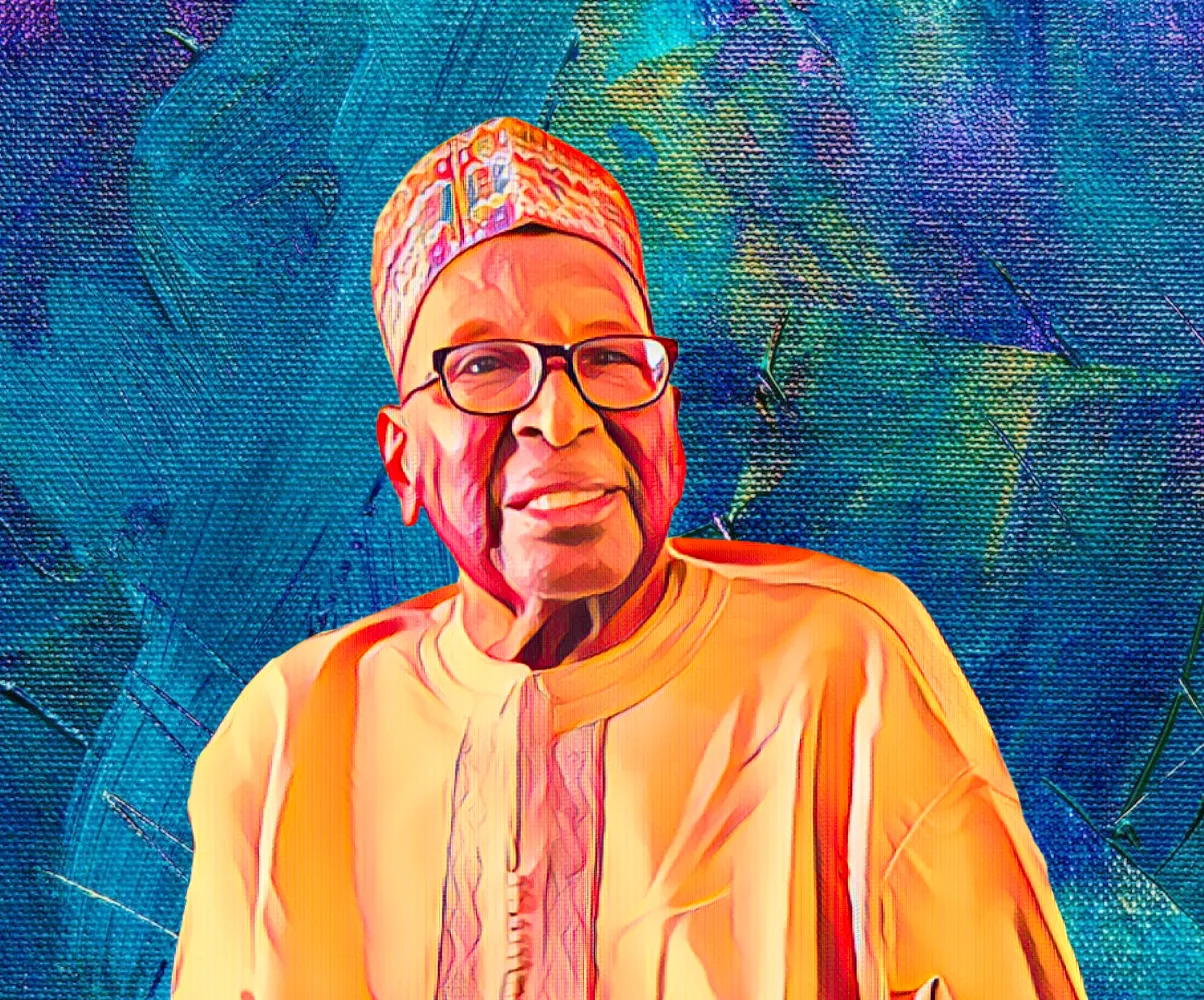
Hélder Bataglia dos Santos has spent five decades operating at the seam between Lisbon, Luanda and the world's biggest economies. The Portuguese-Angolan businessman, founder and president of the Escom Group, built one of the most influential private investment platforms operating out of Angola in the post-civil-war era, parlaying a banking-backed mandate from the Espírito Santo Group into stakes across mining, oil and gas, real estate, infrastructure, energy, aviation and fishing in at least five African countries. He has also spent the past decade fielding investigations on three continents, only some of which have ended in his favor.
Bataglia was born in Seixal, near Lisbon, on January 25, 1947. At age one, he arrived in Angola, then a Portuguese colony, when his father, a director at a German fish-flour production company in Benguela province, relocated the family. He was raised in Baía Farta, then moved at age 10 to study in Benguela and later at the Institute of Industry of Huambo on the Central Plateau of Angola. He studied engineering, with the course interrupted between 1969 and 1972 by mandatory service in the Portuguese Armed Forces.
He returned to civilian work in 1972 and ran a fish-transformation company in Benguela that used an innovative artificial-drying technique. In 1975, the year of Angolan independence, he relocated to Lisbon with his first wife and daughter.
The Lisbon years opened the international chapter of his career. He worked across the Middle East in Kuwait, Iraq, Iran and Algeria. In 1980, in Egypt, he met his second wife, the daughter of an Italian businessman in construction. In 1982 he ran an international vocational training project in Algeria. In 1985 he left for the former Soviet Union, where he took part in tannery and shoe factory construction at the Soviet government's request. He returned in 1991.
The pivot that defined the rest of his career came the following year. In 1992, the Espírito Santo Group, then one of Portugal's most powerful financial conglomerates, appointed him to create Escom Group, registered in Lisbon as Espírito Santo Commerce and structured to support GES transactions in Angola. The Espírito Santo Group held 66 percent of Escom and Bataglia personally held 30 percent. The mandate was political as much as commercial. Bataglia was the relationship bridge. GES brought the balance sheet.
The first wave of Escom investments began in 1995, focused on fishing, mining and aviation. After the Angolan civil war formally ended in April 2002 with the death of UNITA leader Jonas Savimbi, the group expanded into real estate, infrastructure, oil and gas, and energy, areas where Angolan state contracts and concession allocations were generating the largest single pools of private wealth in the country. The mining and energy positions placed Escom at the heart of Angola's resource economy. The platform moved into the Republic of the Congo, then South Africa in 2009 and Mozambique in 2011, where Bataglia founded Networx. From 2013 onwards, he worked with international investment funds on infrastructure and transportation projects across the region.
His most strategic role sat between Africa and Asia. From 2004 onwards, Bataglia took up a pivotal position in building the commercial relationship between China and Angola, channeling contacts between the two governments through Escom, China Beya Escom International Limited and Sonangol, the Angolan state oil company. Senior Angolan officials have credited him with opening the door to Chinese state and corporate counterparties as China was becoming Angola's largest single trading partner. Former vice president Manuel Vicente has said it was Bataglia who first opened China's access to Angola.
Inside Angola, the Escom platform sat inside the broader business network of the José Eduardo dos Santos era, which ran from 1979 to 2017. Bataglia worked alongside senior Angolan figures who shaped the country's oil, banking and concession landscape during those decades.
In 2007, President Aníbal Cavaco Silva of Portugal made him Commander of the Order of Prince Henry, one of the country's highest civil distinctions. The Republic of the Congo awarded him the Order of Merit. In 2012, he published a book in English, "Portrait of a New Angola," released by the publisher Skira, with photographs by Francesca Galliani and Walter Fernandes.
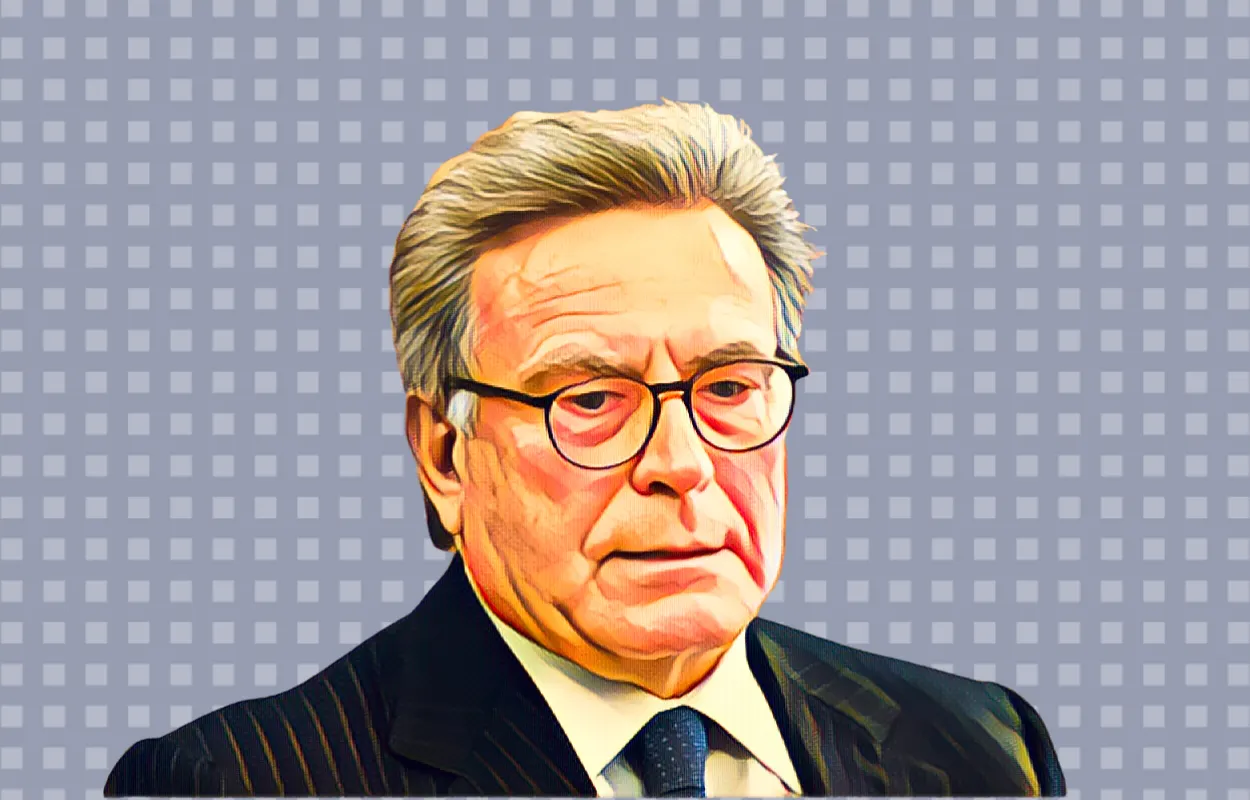
The investigations began in parallel. In 2004, Escom advised the German Submarine Consortium on compensation incentives included in the sale of two submarines to Portugal. The transaction earned Escom 2.5 percent of the sale price, around 25 million euros, equivalent to roughly $27 million. The Portuguese public prosecution opened an inquiry into suspected bribery and corruption. German authorities subsequently confirmed the suspicions and documented payments totaling 6.4 million euros, about $6.9 million, identified as bribes received by members of the Portuguese elite. Escom's board of directors was called in for repeated hearings. The final public step came on August 25, 2014, when the chairman of the Portuguese parliament's investigatory committee closed the decade-long inquiry and cleared Bataglia of any wrongdoing. He remained, however, named in associated proceedings by German authorities and by business partners who testified that he had received funds. His name later surfaced in the Panama Papers disclosures of 2016 and again in the Suisse Secrets disclosures of 2022.
The most damaging financial event was the collapse of the Espírito Santo Group in July 2014, one of the largest banking failures in Portuguese history. The Bank of Portugal split Banco Espírito Santo into a good bank, Novo Banco, and a residual entity holding the toxic exposures. The Angolan affiliate, Banco Espírito Santo Angola, was reorganized and renamed Banco Económico the same year. Investigations described a 518.5 million dollar operation in 2013, orchestrated by the Portuguese lawyer José Fernando Faria de Bastos and Rui Guerra, then chief executive of BESA, in which the bank carried out five credit operations to five shell companies totaling 379 million dollars to finance Escom's assets. Bataglia's close associates included Álvaro Sobrinho, the former head of an Escom-linked Angolan bank later suspected of money laundering. Escom's total debt to BESA exceeded 600 million dollars. Investigators described the structure as a vehicle to remove debt from Escom's balance sheet before mandatory reporting to Portugal's central bank. Bataglia has consistently denied any wrongdoing in the BESA file.
Outside the deal flow, he has run a parallel philanthropic line. In 1995, he established the non-governmental organization Apoiar África, the Aid Africa foundation, operating in Mozambique and Angola with a primary focus on education. The Escom Group has carried out corporate social responsibility work in basic education and adult literacy in the mining communities where the group operates, and in primary health care projects in surrounding areas.
Bataglia retains Portuguese and Angolan dual citizenship and continues to spend most of his time between Lisbon and Luanda. He has not faced criminal conviction in either jurisdiction in connection with the investigations opened against Escom or BESA.
What remains is more compact than at its peak. Escom has been the subject of repeated reported sale and restructuring efforts since 2014, none publicly completed. His public footprint in Angola has narrowed since the end of the José Eduardo dos Santos era in September 2017, when President João Lourenço began an anti-corruption drive that reshuffled the Angolan business establishment. The relationships, the contacts and the international file, however, remain unmistakably his.
The intelligence satisfies curiosity. The paid briefings satisfy strategy.
Every Monday, Elite subscribers receive an Investor Memo breaking down the deal, the structure and the positioning behind the week's most consequential African wealth story - the kind of analysis that doesn't appear anywhere else.
Twice a month, a Wealth Intelligence brief profiles a single billionaire's holdings, cash flows and expansion pipeline in detail no public source matches.
→ Executive ($25/mo): Daily newsletter + Deep-Dive Reports
→ Elite ($75/mo): Everything above + Investor Memos + Wealth Intelligence + Quarterly Analyst Briefings
Subscribe now