

Table of Contents
In August 2019, the Republic of Congo's President Denis Sassou Nguesso stepped to a podium on his country's 59th Independence Day and told the nation, and the world, that a Congolese company had struck oil. Big oil. The kind that would transform a broke country overnight.
The company was Petroleum Exploration and Production Africa, known as PEPA. The field was called the Ngoki Block, buried deep in the rain forests of northern Congo in a region largely untouched by the oil industry. According to the announcement, the discovery held an estimated 359 million barrels of oil and could produce more than 900,000 barrels per day. That would have quadrupled Congo's daily output, making it one of the continent's top producers.
It was, investigators later concluded, almost entirely a sham.
The man at the center
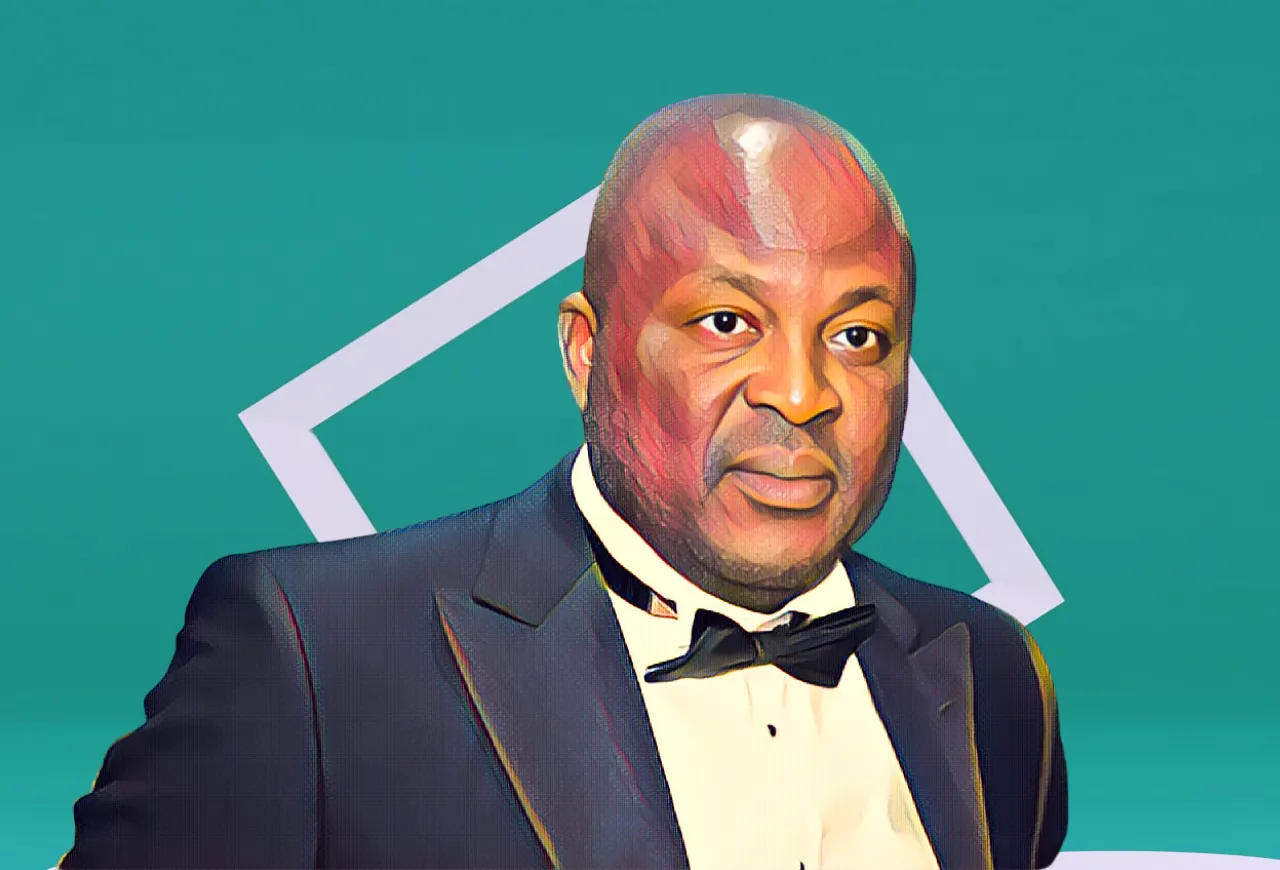
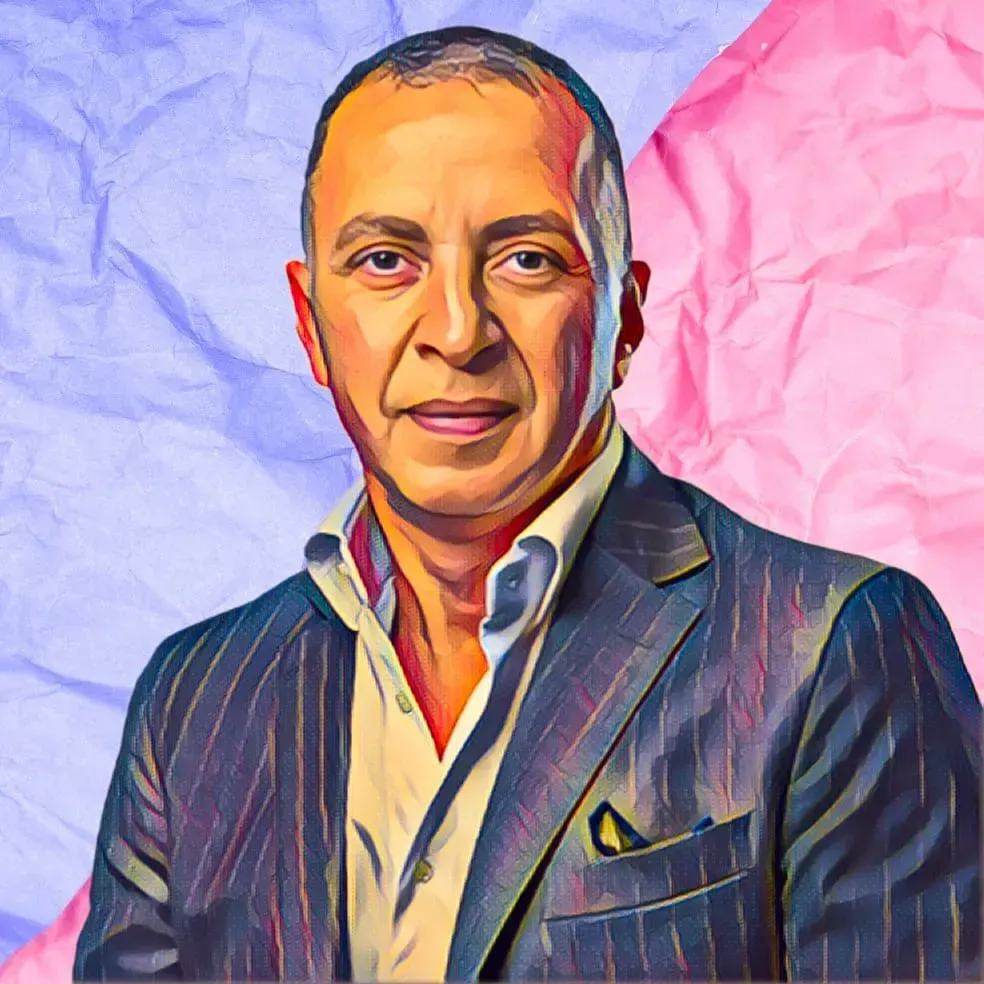
The major shareholder and board chairman of PEPA was Claude Wilfrid Etoka, known widely as Willy Etoka, the richest man in the Republic of Congo with an estimated net worth of $500 million. Born in Brazzaville in 1969, Etoka built his fortune through oil trading, agribusiness, and a series of state contracts that anti-corruption investigators say were shaped by his proximity to the presidential family. He has lived in Morocco since 2006.
His oil trading company, SARPD Oil, was incorporated in Mauritius in 2003 and grew, according to The Times of London, into a "rising star in African oil trading" with a trading floor in Geneva and operations in Morocco. Within a decade, the company ranked as the 5th largest oil trading firm in Africa, running deals with global commodities giants including Glencore.
But it was Etoka's relationship with Congo's ruling family, investigators said, that set him apart. Global Witness, working alongside Der Spiegel, Mediapart, and the European Investigative Collaborations network, found that Etoka was a close associate of President Sassou Nguesso and was regularly pictured with the president's son, Denis Christel Sassou Nguesso, who has been at the center of several of Congo's most damaging corruption scandals. Etoka has acknowledged friendly ties to the family but insisted he has no business relationship with them. BNP Paribas, however, closed his SARPD Oil accounts citing his links to the presidential family and what the bank described as an improbable level of company profitability arising from corruption and misappropriation of Congolese oil revenues.
How Etoka took control of Ngoki
The Ngoki Block had a troubled history before Etoka arrived. In 2006, Congo's state oil company, Société Nationale des Pétroles du Congo (SNPC), gave drilling rights to an Arab businessman named Al Youssef, who brought in the former head of French oil giant Elf, Loik le Floch-Prigent, as a consultant. Le Floch-Prigent himself had been jailed in 2003 over his role in the Elf Affair, described by The Guardian as perhaps the biggest financial scandal in a western democracy since World War II.
The partnership began seismic exploration in 2008 but started unraveling when Al Youssef lost nearly $50 million to fraudsters posing as relatives of a deceased Ivory Coast president. With more than $60 million already sunk into the project, Al Youssef's financial empire began to crack. Enter Etoka.
In 2013, Etoka joined the project with a promise to clear its mounting debts and took an initial 30% stake. What followed is described by Global Witness as a corporate maneuver that raises serious questions. Etoka allegedly diluted the majority shareholder's stake to less than 1% at a board meeting that the original main shareholder claimed he was never informed about or invited to attend. By 2016, Etoka held over 99% of PEPA's shareholding. He told Global Witness the takeover was approved by Congo's commercial court and was done to "boost" a company hampered by Al Youssef's failure to inject capital. A source close to Al Youssef told investigators he never received payment in compensation.
The announcement and the investigation
The first test drill at the Ngoki Block took place in March 2019. The French drilling firm SMP Drilling conducted the work and concluded operations in August 2019, the same month Sassou Nguesso made his Independence Day announcement. SMP would not tell Der Spiegel whether it found oil. The company later claimed it had not been paid in full and filed a legal claim against PEPA for 4.5 million euros. A court in Brazzaville ordered the preliminary seizure of corporate assets belonging to Etoka's company.
Industry experts reacted to the announced reserves with open disbelief. One oil expert called PEPA's claim that the deposit could contain 359 million barrels and produce over 900,000 barrels per day "ridiculous." Others questioned how a deposit of that scale could have gone undetected by the major international oil companies that had already been through the area. The Petroleum Economist magazine described the government's hype around the find as "seemingly bogus," writing that it underscored the waning credibility of Sassou Nguesso's administration.
The reason no one had flagged the Ngoki Block before, it turned out, was because oil companies had looked and walked away. Internal documents reviewed by Global Witness showed that both Total and Shell had been offered stakes in the Ngoki project in 2015 after reviewing seismic survey results. Both declined. Total cited the high cost of drilling and difficult access to the remote region. Shell stated in January 2016 that "the combination of high risk and modest size of the identified leads" drove its decision not to invest. Experts who reviewed the geology later noted that the reserves likely originated in the Paleozoic era, more than 400 million years ago, and that the principal risk was that the reservoir had long since drained naturally.
Etoka's own numbers undercut the claim
The most damning evidence came from Etoka himself. When confronted by journalists from the European Investigative Collaborations with the findings of their investigation, he admitted that the Ngoki Block would likely produce only one-seventh of the daily output figure announced in August 2019. The original announcement had put production potential at over 900,000 barrels per day. Etoka's revised estimate implied something closer to around 130,000 to 140,000 barrels per day.
REDD-Monitor, which tracked the investigation closely, stated plainly: "Etoka's response is proof that the announcement of massive oil reserves in the Ngoki Block was a sham."
Etoka had earlier denied trying to mislead investors, telling Global Witness that his company's claims were based on "reliable data that will be confirmed shortly by production tests that are in progress" and that drilling had revealed oil reservoirs measuring 89 meters in depth. He has not publicly addressed the discrepancy between the figures his company promoted and those he later conceded were more realistic.
The foreign aid angle
The timing of the Independence Day announcement was not lost on investigators. Just weeks after Sassou Nguesso declared the oil discovery, he traveled to Paris and met French President Emmanuel Macron. The 2 leaders signed letters of intent committing $65 million in European aid to Congo, ostensibly to protect the country's forests and peatlands.
Investigators asked a pointed question: did Sassou Nguesso exaggerate, or fabricate, the oil discovery to use it as leverage? By threatening to drill in a globally significant ecosystem unless the international community paid up, Congo's government could extract conservation funding without ever intending to drill productively. Sassou Nguesso did not respond to that question. The Congolese government still officially maintains the Ngoki discovery is real.
What is not in dispute is that more than 60% of the Ngoki Block sits on peatland, part of the Cuvette Centrale, which scientists describe as one of the largest carbon sinks on the planet, storing an estimated 30 billion tonnes of carbon. The environmental impact assessment that PEPA filed for the project almost entirely predated the discovery of that peatland and contained no analysis of the risk to it from oil drilling. That assessment, Global Witness concluded, was unfit for purpose.
The Ngoki project has not produced a single barrel of commercial oil.
The intelligence satisfies curiosity. The paid briefings satisfy strategy.
Every Monday, Elite subscribers receive an Investor Memo breaking down the deal, the structure and the positioning behind the week's most consequential African wealth story - the kind of analysis that doesn't appear anywhere else.
Twice a month, a Wealth Intelligence brief profiles a single billionaire's holdings, cash flows and expansion pipeline in detail no public source matches.
→ Executive ($25/mo): Daily newsletter + Deep-Dive Reports
→ Elite ($75/mo): Everything above + Investor Memos + Wealth Intelligence + Quarterly Analyst Briefings
Subscribe now