

Table of Contents
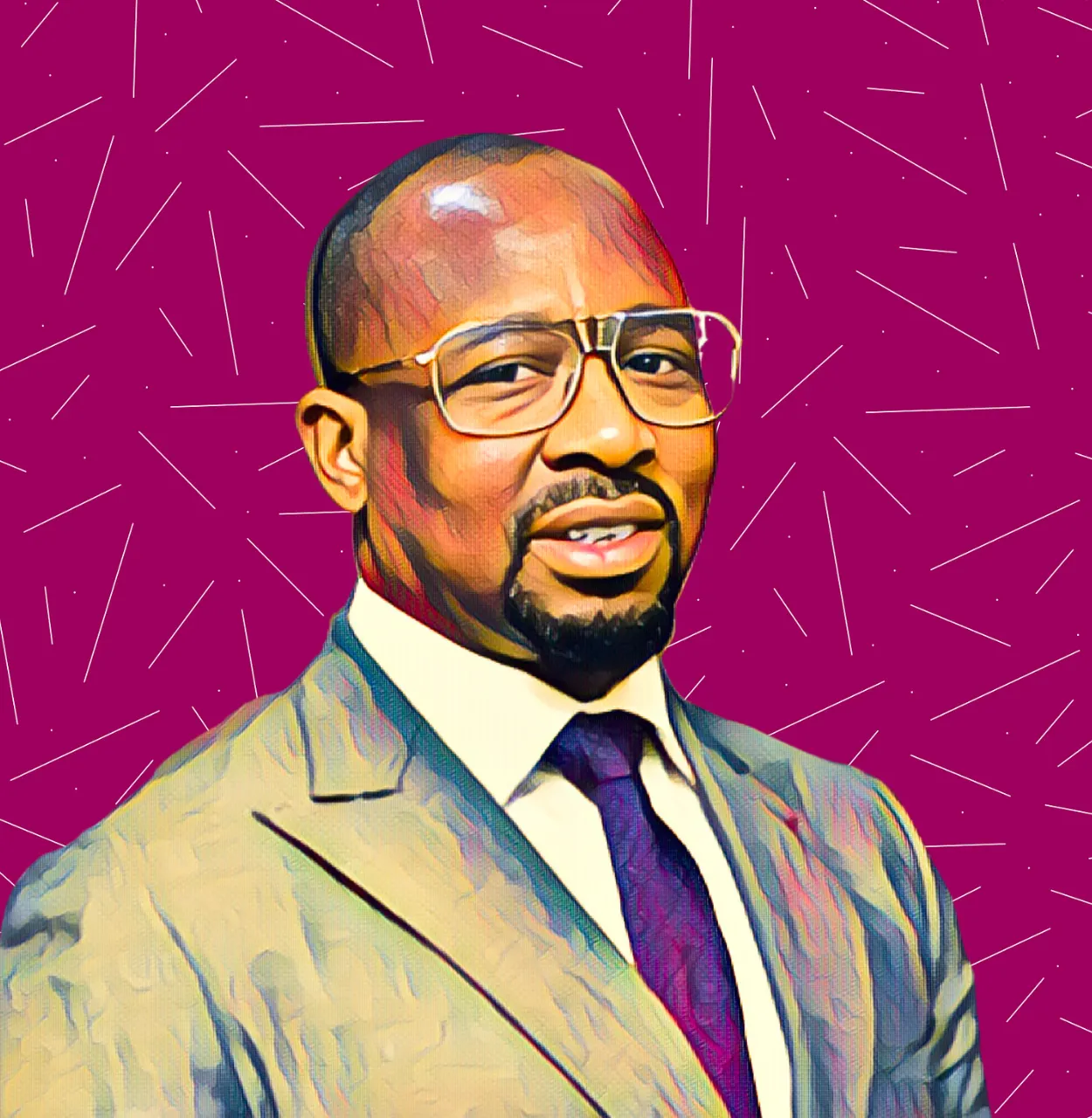
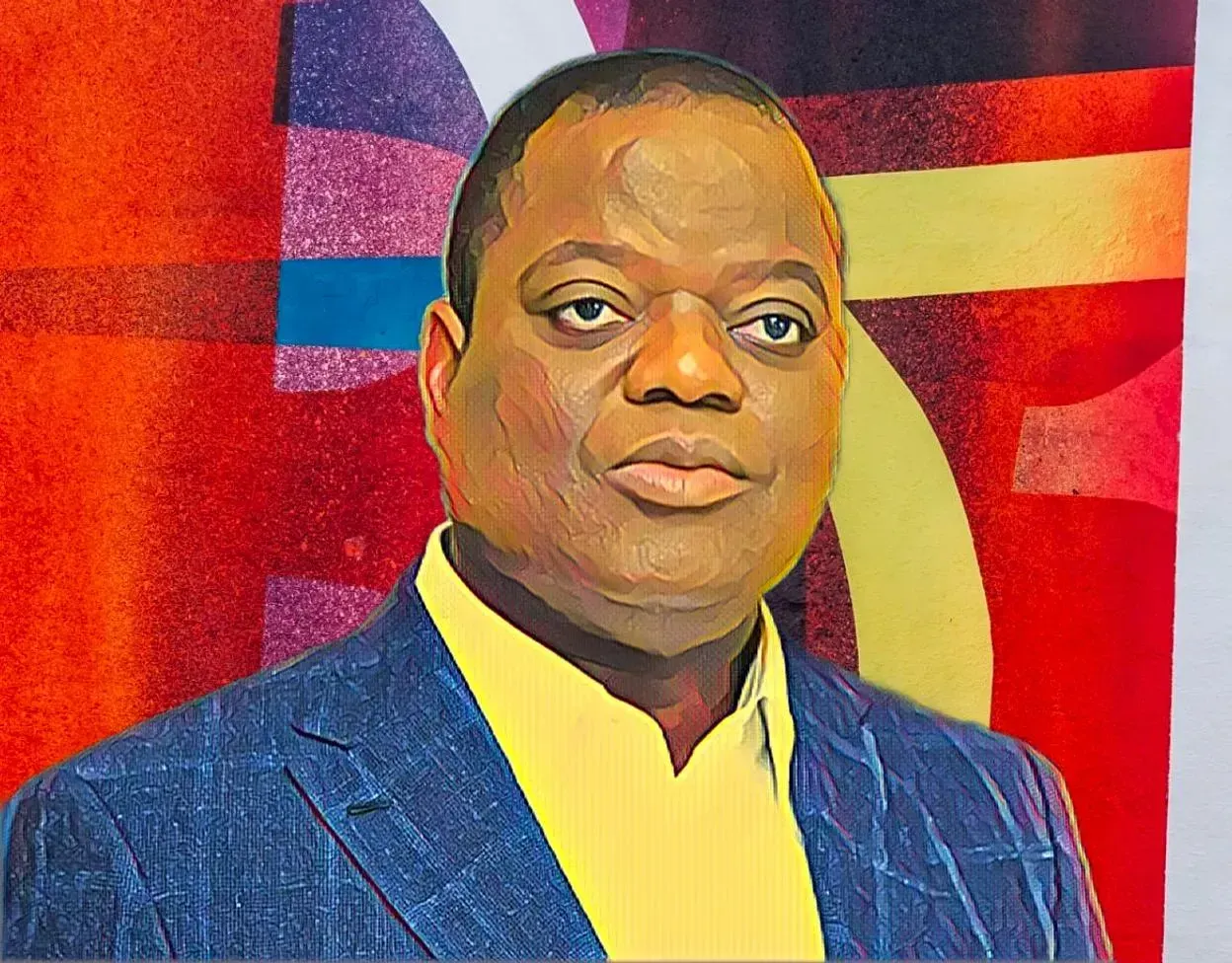
Sébastien Ajavon spent the first half of his career building one of West Africa's largest frozen poultry empires and the second half fighting the state that the man he once helped elect now runs. The Beninese billionaire, once the country's most influential businessman after Patrice Talon and the largest single taxpayer in the national budget, has been in political exile in France since 2018, convicted in absentia of cocaine trafficking, his Benin assets seized, his companies wound up. He still insists the case is a fabrication. An African continental court has since ruled that his political rights were violated.
Born Sébastien Germain Marie Ayikoué Ajavon in Cotonou on January 19, 1965, he started his commercial career in 1991, working in his parents' fish business and rising to commercial director. He then moved into broader agribusiness, founding Cajaf-Comon, which grew over the next decade into the largest importer of frozen poultry in Benin. Cajaf-Comon ran the country's largest frozen-poultry cold chain, and the press soon nicknamed Ajavon "the king of chicken."
He diversified outside food. In media, he built a portfolio that included the rolling news channel Sikka TV and the radio station Soleil FM. The business community elevated him as well. In 2012, he was elected president of the Conseil national du patronat du Bénin, the national employers' federation. He was re-elected for a four-year term as the sole candidate, an unusual outcome that earned him a second nickname in the Beninese press, "le patron des patrons," the boss of the bosses. He was replaced by Eustache Kotigan after his legal troubles made it impossible to finish the term.
The first major confrontation with the state came in 2012, when his company faced a tax reassessment of more than 36 billion CFA francs, equivalent to about $54 million. The reassessment forced the closure of all Cajaf-Comon's Beninese outlets and put over a thousand employees out of work. The episode created friction with then-President Thomas Boni Yayi. An agreement was eventually reached between Comon SA and the state, and the reassessment was settled in part.
By 2015, Ajavon's profile was at its peak. He was ranked the 17th-largest fortune in francophone sub-Saharan Africa, with a portfolio estimated at 350 billion CFA francs, more than $570 million. The ranking placed him as the second-wealthiest individual in Benin behind Patrice Talon, and the country's largest single contributor to the national tax base.
Ajavon had been a long-time financial backer of Beninese politics before his own candidacy. He had funded successive governments for years and was widely seen in Cotonou as a figure of cordial entente with Boni Yayi rather than an open opponent. Commentators read his decision to run as a tactical move to block Patrice Talon's path to the presidency, an accusation Ajavon denied.
He declared his presidential candidacy in early 2016 and ran as an independent in the March election. His campaign was branded a "blue wave" after the color worn by his supporters, and its organization was handled by the French communications agency Havas. He drew on a roster of established allies, including the mayor of Ouidah, Sévérin Adjovi, the deputy Claudine Afiavi Prudencio of the Union pour le développement du Bénin nouveau, the Parakou deputy Rachidi Gbadamassi, and the businessman Samuel Dossou-Aworet, chief executive of the Petrolin group. His elder brother and employee Gabriel Ajavon also ran in the same election. A constitutional challenge to his candidacy, drawing on a 2001 case in which a former employee had accused him of physical abuse, was rejected as inadmissible by the Constitutional Court.
He finished third out of 33 candidates with 23.03 percent of the vote. Between the two rounds, he threw his support behind Patrice Talon, the cotton billionaire who had also placed in the top three, joining a "rupture coalition" of candidates who had pledged to back each other against the outgoing prime minister, Lionel Zinsou. Talon won the runoff. The "rupture coalition" agreement was supposed to deliver a third of ministerial posts to its members. They got three.
The relationship between the two billionaires broke down quickly after Talon's inauguration. In November 2016, a Cajaf-Comon shipping container arriving at the Port of Cotonou from Brazil was intercepted by gendarmes. Inside was 18 kilograms of pure cocaine, with an estimated street value of about 9 billion CFA francs, around $15 million. Ajavon was arrested, then released for lack of evidence. He called the affair a "machination" by the political authorities. The year that followed brought a chain of new pressure points. Two of his media outlets were suspended. Cajaf-Comon faced another tax reassessment, this one of 167 billion CFA francs, around $270 million. His lawyers described the sequence as "persecution" and asked the African Court on Human and Peoples' Rights to intervene.
He moved formally into opposition. He founded the Union sociale libérale, the USL, at a launch event in Djeffa, ahead of the 2019 legislative elections. He took the role of honorary president of the party, and his brother Joël Ajavon assumed the day-to-day leadership.
The decisive blow landed in 2018. He was prosecuted a second time over the 2016 cocaine seizure, this time before the Cour de répression des infractions économiques et du terrorisme, a special economic and terrorism court created earlier the same year. He did not attend the trial. On October 18, 2018, he was sentenced in absentia to 20 years in prison, and an international arrest warrant was issued against him. He went into exile in France, where he was subsequently granted political refugee status. His assets were placed under seizure and his companies wound up.
His lawyers turned to the African Court on Human and Peoples' Rights. In late 2019, the court ruled that his political rights had been violated and asked Benin to suspend the 2020 municipal elections. Benin withdrew from the court's protocol the following week, removing the jurisdiction the ruling depended on.
The pressure on his Beninese assets continued from a distance. On March 22, 2022, the Benin Supreme Court ordered the seizure of his Cotonou house and gave him one month to sell the property and start paying a fine of more than 160 million CFA francs, equivalent to around $290,000, in a separate value-added tax fraud case. He was also sentenced to five years in prison in the same case. On July 1, 2022, law enforcement agents executed the seizure, removing furniture, armchairs, golden tables and a black luxury sedan from his home in front of local television cameras. The operation was carried out with security forces and a court bailiff in attendance, at the request of the Beninese government.
His philanthropic vehicle, the Ajavon Sébastien Germain Foundation, which he established in 2010 to build schools and health infrastructure in southern Benin, remains closely associated with his name in the region. He also funded a sports training center for young athletes in Sèmè-Kpodji.
He remains in France, listed as a wanted person on the Beninese Justice Ministry's website. The fortune he built between 1991 and 2016 has been progressively dismantled inside the country by tax claims, criminal convictions and asset seizures. What remains is, by his own account, outside the reach of the system that put him there.
The intelligence satisfies curiosity. The paid briefings satisfy strategy.
Every Monday, Elite subscribers receive an Investor Memo breaking down the deal, the structure and the positioning behind the week's most consequential African wealth story - the kind of analysis that doesn't appear anywhere else.
Twice a month, a Wealth Intelligence brief profiles a single billionaire's holdings, cash flows and expansion pipeline in detail no public source matches.
→ Executive ($25/mo): Daily newsletter + Deep-Dive Reports
→ Elite ($75/mo): Everything above + Investor Memos + Wealth Intelligence + Quarterly Analyst Briefings
Subscribe now