


Table of Contents
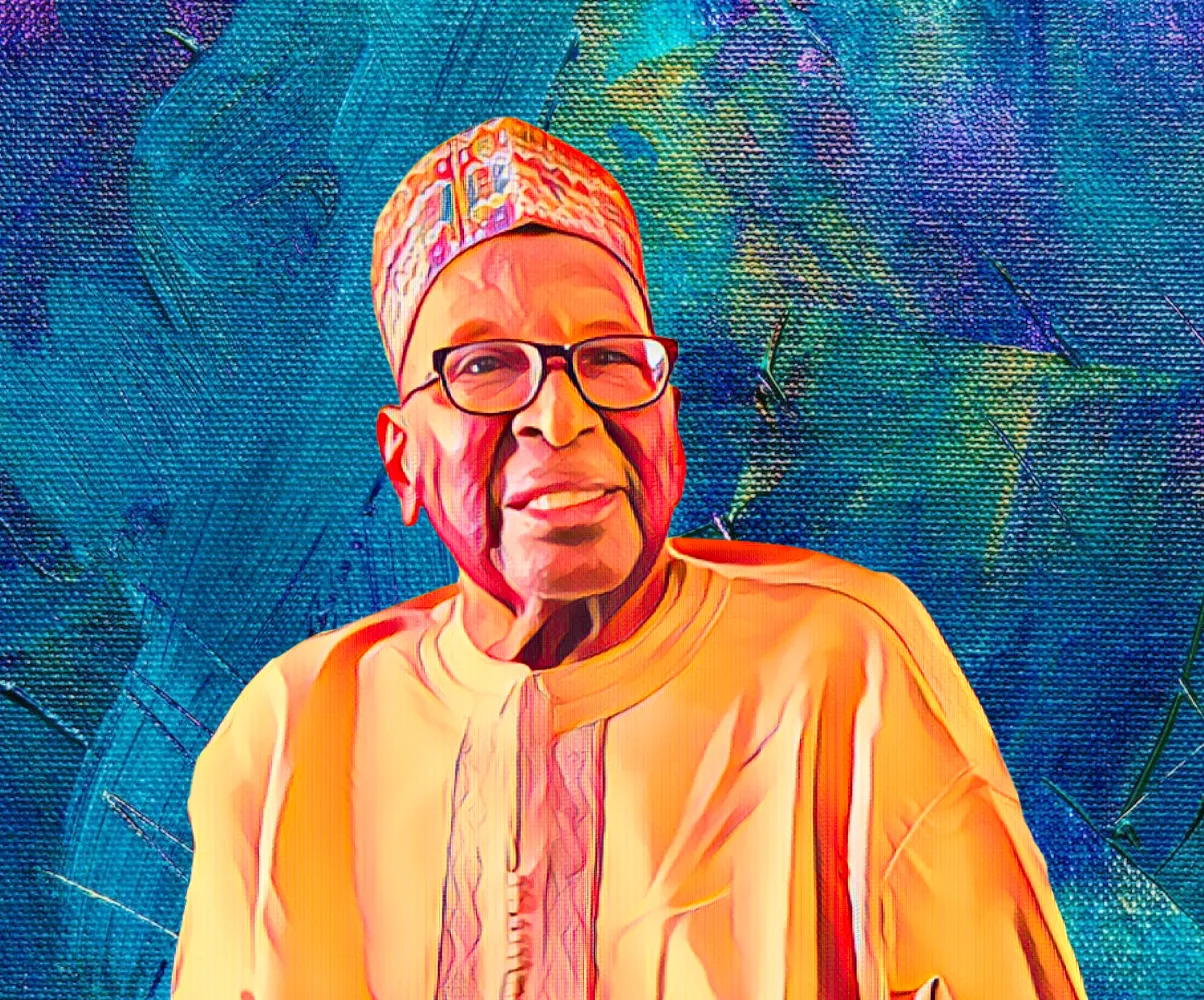
Taiwo Afolabi wants African business leaders to think bigger. The chairman of SIFAX Group used the sidelines of the Africa CEO Forum in Kigali, Rwanda, to press a single argument: the continent will not transform its economy on the back of small, scattered enterprises.
Instead, Afolabi said, Africa needs large indigenous corporations with the scale, structure and capacity to drive industrialization, create jobs, attract investment and compete internationally. He framed the gap as a strategic weakness rather than a matter of ambition alone.
"Africa cannot achieve its full economic potential with thousands of weak and fragmented businesses operating in silos," he said. "What the continent needs are strong institutions and large corporations that can survive beyond their founders, scale across borders, attract global capital, and compete with the best companies around the world."
His message landed at a forum that gathered chief executives, investors and policymakers from across the continent. According to Afolabi, this year's discussions reinforced an urgent need for African businesses to embrace collaboration, long-term thinking, regional integration and strategic expansion.
Entrepreneurship still matters, he stressed. Yet he argued that the continent must deliberately move beyond subsistence and lifestyle businesses toward enduring enterprises built on robust governance, innovation capacity and continental reach. That shift, in his view, separates companies that fade with their owners from those that compound value across generations.
Afolabi pointed to the African Continental Free Trade Area as the clearest opening. "The conversations at the Africa CEO Forum clearly showed that Africa's future lies in integration and scale," he said. "The AfCFTA presents a historic opportunity for businesses to expand beyond national borders and build truly pan-African enterprises."
The call carries weight coming from Afolabi. Since founding SIFAX Group in 1988, he has expanded the company across shipping, logistics, aviation and hospitality, with port operations in Lagos and a growing footprint in markets such as Gambia. The group has tied its own strategy to deeper intra-African trade through investments in logistics, port operations, transportation and digital finance.
Therefore, his pitch reads less as theory than as a description of the path he has walked. As African markets integrate and global capital scouts for scale, Afolabi believes the companies that organize early will define the next decade. Meanwhile, he warned, those that stay fragmented risk watching the opportunity pass.
The intelligence satisfies curiosity. The paid briefings satisfy strategy.
Every Monday, Elite subscribers receive an Investor Memo breaking down the deal, the structure and the positioning behind the week's most consequential African wealth story - the kind of analysis that doesn't appear anywhere else.
Twice a month, a Wealth Intelligence brief profiles a single billionaire's holdings, cash flows and expansion pipeline in detail no public source matches.
→ Executive ($25/mo): Daily newsletter + Deep-Dive Reports
→ Elite ($75/mo): Everything above + Investor Memos + Wealth Intelligence + Quarterly Analyst Briefings
Subscribe now