


Table of Contents
It was a good day to own 13 percent of Aspen Pharmacare.
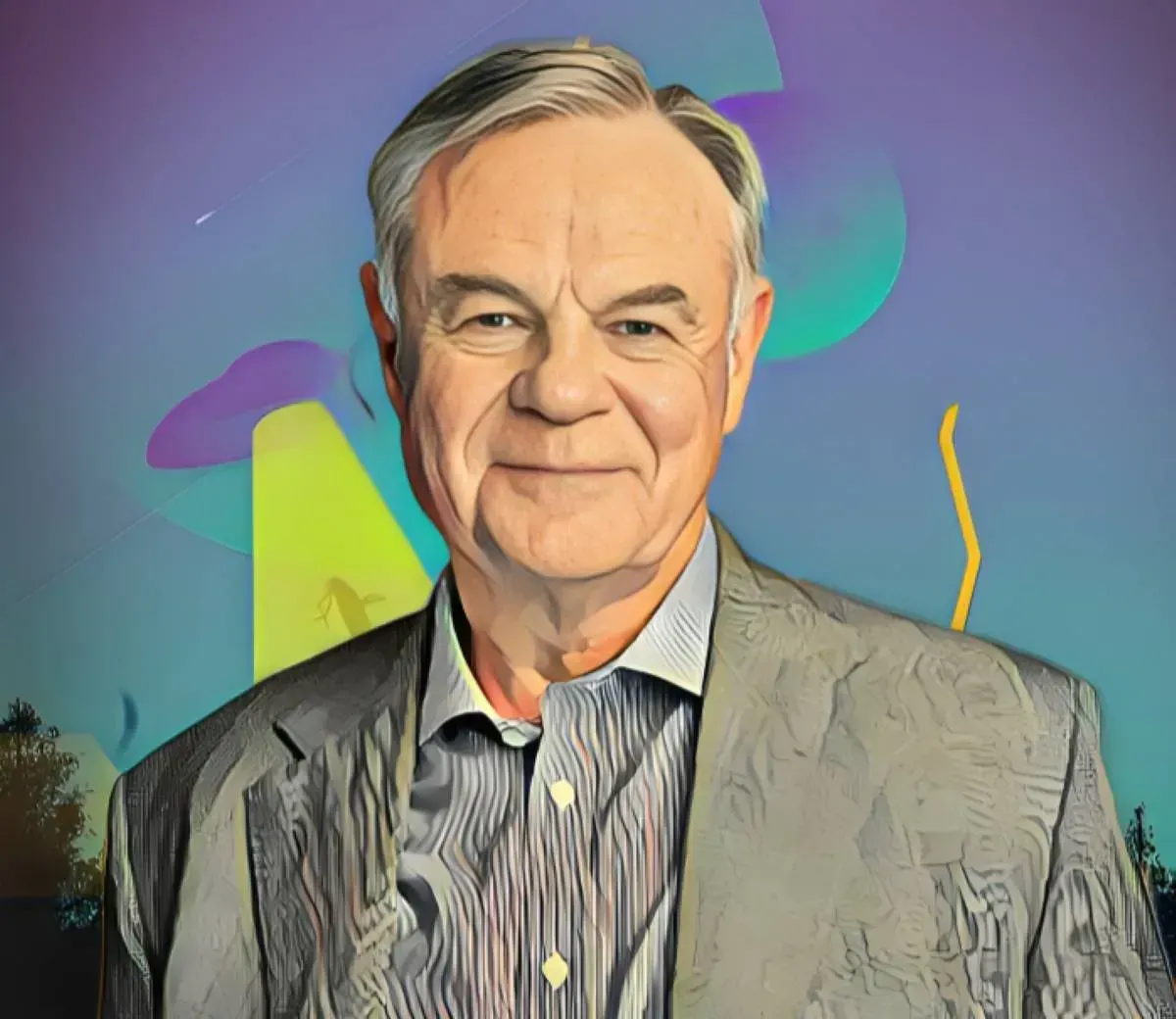
When the Durban-based pharmaceutical group announced on May 30 that it had completed the sale of its Asia Pacific business to Australian private equity firm BGH Capital for R27 billion, approximately $1.65 billion, the market responded immediately. Aspen shares closed the Friday session at R144.70 on the Johannesburg Stock Exchange, up more than 7 percent from the previous close of approximately R135.23. For Stephen Saad, the company's founder, chief executive and largest individual shareholder, that single-session move added approximately R549.9 million, roughly $33.5 million, to the paper value of his stake.
Saad holds 13.02 percent of Aspen Pharmacare, equating to 58,075,716 ordinary shares. At the pre-announcement price of approximately R135.23, his stake was worth approximately R7.85 billion, or about $479 million. At the Friday closing price of R144.70, it was worth approximately R8.4 billion, or about $512 million. The gain came in a single session, driven by one event: the confirmation that a deal announced in December 2025 had formally closed, and that the proceeds were coming in at R27 billion, approximately R2 billion more than the original R26.5 billion target when the agreement was first signed.
The additional R2 billion over the original price resulted from favourable movements in the Australian dollar versus the South African rand between the time the deal was struck and the time it closed. The transaction was struck at A$2.37 billion and the rand weakened against the Australian dollar during the intervening months, producing a higher rand-equivalent outcome for Aspen shareholders.
The proceeds will primarily be applied to Aspen's debt, which stood at R28.6 billion, approximately $1.74 billion, at the end of December 2025. Repaying that debt in near-full from a single asset sale dramatically simplifies Aspen's balance sheet, removes significant interest expense from its income statement and creates the financial headroom Saad has been pursuing for two years. The enhanced balance sheet also opens the door to share buybacks, which Saad explicitly flagged as a means of returning value to shareholders.
"This transaction represents a compelling outcome for Aspen and is a significant milestone in our ongoing strategy to unlock and realise value for shareholders," Saad said in the announcement. "Importantly, it demonstrates the inherent value that has been created within Aspen over time."
The Asia Pacific business being sold had humble origins. It was established in Australia in 2001 as a modest start-up with limited resources, evolving over 25 years into a leading pharmaceutical entity across the region and a material contributor to Aspen's earnings, cash flows and market capitalisation. BGH Capital, the Australian private equity firm acquiring it, takes on an established business with regional market positions built over a quarter century of development.
For Aspen, the disposal marks a strategic pivot toward its remaining business lines: Commercial Pharmaceuticals, Manufacturing and its emerging GLP-1 portfolio targeting the weight management drug segment, where Aspen expects to begin generating revenue by late 2026. The group has targeted normalised EBITDA for the financial year to June 2026 at at least double the first half EBITDA of R3.8 billion, approximately $232 million, and anticipates double-digit growth in normalised headline earnings.
Aspen Pharmacare has had a punishing two years on the JSE. The stock entered 2025 above R180 per share and spent most of the year sliding, weighed down by a contractual manufacturing dispute, impairments and earnings pressure. By late 2025, Saad's personal stake had fallen from above R10 billion to approximately R5.7 billion. The December APAC deal announcement started the recovery. Friday's closing confirmation accelerated it.
At R144.70, Aspen's share price remains well below the R180 levels of January 2025. The recovery still has meaningful ground to cover before the stock reflects the full value Saad believes is embedded in the remaining business. But the R27 billion deal, the R2 billion bonus from currency movements, the near-elimination of a R28.6 billion debt pile and the explicit signal about share buybacks have given the market its clearest view yet of what Aspen intends to become on the other side of its restructuring: leaner, less leveraged, and focused on the pharmaceutical and manufacturing assets where it has built genuine competitive advantage.
For Saad personally, Friday's R550 million paper gain is a partial restoration of wealth that had been eroding for 18 months. How much more of that restoration follows depends on whether the remaining business delivers the earnings trajectory the targets imply.
The intelligence satisfies curiosity. The paid briefings satisfy strategy.
Every Monday, Elite subscribers receive an Investor Memo breaking down the deal, the structure and the positioning behind the week's most consequential African wealth story — the kind of analysis that doesn't appear anywhere else.
Twice a month, a Wealth Intelligence brief profiles a single billionaire's holdings, cash flows and expansion pipeline in detail no public source matches.
→ Executive ($25/mo): Daily newsletter + Deep-Dive Reports
→ Elite ($75/mo): Everything above + Investor Memos + Wealth Intelligence + Quarterly Analyst Briefings
Subscribe now