

Table of Contents
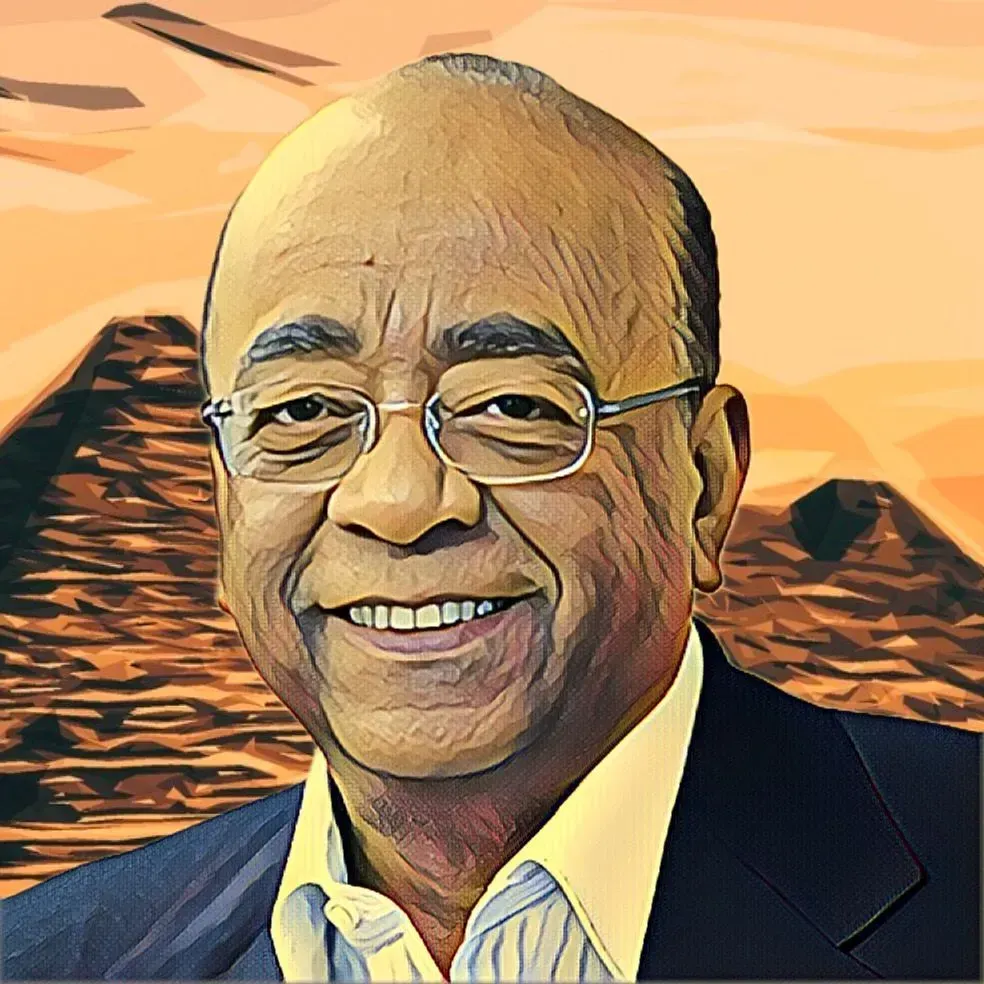
Sudhir Ruparelia, Uganda's richest man and the self-described landlord of Kampala, has built one of the most distinctive revenue streams in African real estate: a steady, multi-billion shilling monthly income from the government of the same country that expelled him at 16 years old with nothing.
Fresh scrutiny of that arrangement has surfaced in Uganda's parliament, with The Investigator News reporting new details of the scale of government payments to Ruparelia's properties and renewed questions about whether the state should be building its own office infrastructure rather than enriching the country's wealthiest private citizen through indefinite lease arrangements.
The numbers are significant. Government ministries, departments and agencies collectively pay Sudhir Ruparelia's Meera Investments and associated entities approximately UGX3.152 billion ($836,000) per month in rent across his Kampala Central Business District properties, according to figures cited by Kiira Municipality MP Ibrahim Ssemujju Nganda in a parliamentary statement and subsequently verified by the fact-checking outlet OJ Uganda, which found the MP had actually understated the total by UGX252 million. Over a full year, the government's combined rent payments to Ruparelia's property empire amount to approximately UGX37.8 billion ($10 million).
The largest single component involves two properties that house Members of Parliament. Ruparelia's Kingdom Kampala building along Parliamentary Avenue accommodates hundreds of MPs as their temporary offices while parliament's permanent new chamber remains under construction. A two-year deal for that space alone was reported to cost UGX18 billion ($4.77 million) when originally signed. Queens Chambers, also on Parliamentary Avenue and also owned by Ruparelia, houses additional MPs. Speaker of Parliament Anita Annet Among has publicly stated that parliamentary spending on rent at these and other properties is unsustainable and has committed to pursuing government-owned office accommodation as a long-term solution. Whether that commitment translates into action remains to be seen.
The Uganda Revenue Authority is separately identified as one of Ruparelia's major government tenants. A deal involving the URA's RR Pearl Tower tenancy, reported by The Investigator News, shows the revenue agency paying UGX18.7 billion ($4.96 million) in rent to Ruparelia for office space at that building. The transaction has drawn criticism from those who argue that the revenue agency charged with collecting taxes from all Ugandans, including Ruparelia himself, should not simultaneously be his most lucrative tenant.
Ruparelia Group's defenders argue the criticism misunderstands the commercial logic. Ruparelia has invested billions of shillings into building and maintaining premium commercial real estate that the government cannot replicate quickly or cheaply. He provides 24-hour power backup, water, security and facilities management at standards that attract institutional tenants. The government pays market rates. He pays taxes on the income. The arrangement is entirely legal and commercially rational for both parties.
That argument is factually sound but politically difficult in a country where the image of the state's most powerful institutions paying rent to its wealthiest individual generates recurring headlines. Ruparelia has faced versions of this scrutiny for years and has consistently emerged commercially unscathed. He owns over 300 commercial and residential properties across Uganda, providing space to more than 200,000 people daily. His net worth is estimated at $1.2 billion, making him Uganda's first and only confirmed dollar billionaire.
He was expelled by Idi Amin in 1972, worked in British factories for years, returned to Uganda in 1985 with $25,000 and began buying land at a time when few others wanted to hold Ugandan assets. The properties that the government now rents from him at UGX3.152 billion ($836,000) per month are the direct consequence of that early bet, made when the country's stability was not guaranteed and when premium commercial real estate in central Kampala was available at prices no longer on offer.
The parliamentary scrutiny is unlikely to change the underlying commercial relationship in the short term. Long-term leases, institutional dependencies and the absence of readily available government-owned alternatives in the relevant locations mean Ruparelia's government income is structurally embedded. Whether Uganda's parliament eventually builds its own chambers and frees itself from the arrangement is a question of political will that has been asked repeatedly and answered slowly.
The intelligence satisfies curiosity. The paid briefings satisfy strategy.
Every Monday, Elite subscribers receive an Investor Memo breaking down the deal, the structure and the positioning behind the week's most consequential African wealth story - the kind of analysis that doesn't appear anywhere else.
Twice a month, a Wealth Intelligence brief profiles a single billionaire's holdings, cash flows and expansion pipeline in detail no public source matches.
→ Executive ($25/mo): Daily newsletter + Deep-Dive Reports
→ Elite ($75/mo): Everything above + Investor Memos + Wealth Intelligence + Quarterly Analyst Briefings
Subscribe now