

Table of Contents
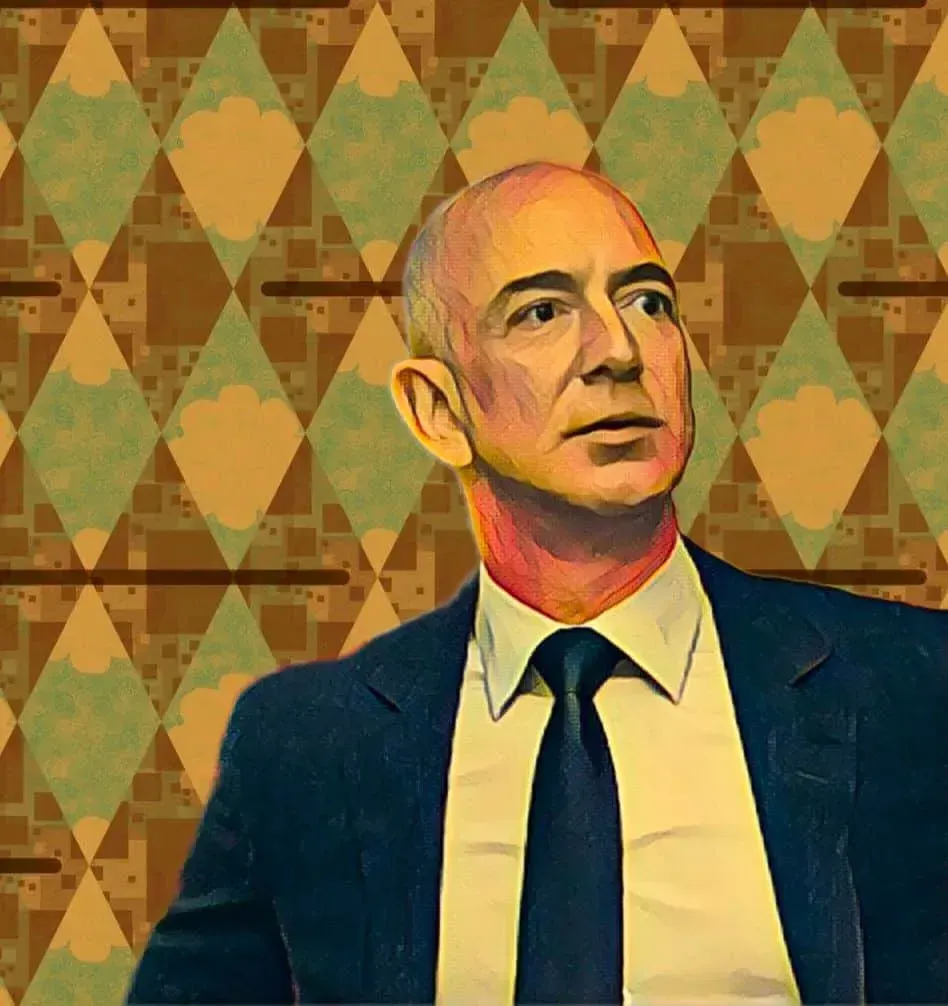
Jeff Bezos is moving to take on Elon Musk in one of Africa's most competitive technology markets. Amazon Kuiper Kenya, a subsidiary of Bezos's Amazon empire, has applied for a licence to operate satellite broadband services in Kenya, according to a gazette notice published June 5 by the Communications Authority of Kenya.
The application puts the world's fifth-richest man on a direct collision course with Musk, whose SpaceX subsidiary Starlink launched satellite internet services in Kenya in 2023 and has since built a head start in the country's low-earth orbit broadband market.
Amazon Kuiper Kenya has applied under the international gateway operator category. If the licence is granted, it would allow the company to establish and operate ground-based gateway facilities necessary for its planned low-earth orbit satellite broadband constellation — the Kuiper Project, Amazon's answer to Starlink, which the company has spent years and billions of dollars developing as its bid to connect underserved and remote populations to high-speed internet.
David Mugonyi, director general of the Communications Authority, said in the gazette notice that the licences, if granted, would enable applicants to operate and provide the services as listed, and that the grant of such licences may affect members of the public, local authorities, companies, individuals or groups within the country.
Amazon Kuiper Kenya is one of 12 companies seeking regulatory approvals in the latest gazette notice. Several other smaller internet infrastructure providers applied for network facilities provider licences at different tiers, reflecting continued private sector appetite for Kenya's growing connectivity market.
Bezos, who stepped back from Amazon's day-to-day management in 2021 but remains its executive chairman and largest shareholder, has backed the Kuiper Project as one of Amazon's most ambitious long-term bets. The constellation is designed to compete directly with Starlink by providing low-latency, high-speed broadband from low-earth orbit. Amazon has committed to launch over 3,200 satellites to build it out.
Kenya is a logical beachhead. The country has one of East Africa's most developed technology ecosystems, anchored by Nairobi's Silicon Savannah startup hub, and a growing demand for reliable broadband that existing terrestrial infrastructure has struggled to fully meet outside urban centers. Starlink's early traction in the market demonstrated that Kenyan consumers and businesses were willing to pay for satellite connectivity when it was available and competitively priced.
Musk's Starlink recently updated its payment terms in Kenya, offering hardware on instalment plans that reduced the upfront cost of entry. The changes were widely seen as a competitive move to deepen market penetration before rivals arrived. With Bezos now filing for a licence, those rivals have a name.
The regulatory filing also flagged another significant market move. Uber Kenya Limited has separately applied for a national courier operator licence, a step that would allow the ride-hailing company to move beyond food delivery and compete in Kenya's broader parcel and document courier market. Three other companies applied for the same category of licence: Wajeehstar Parcel Service Limited, Starluk Logistics Limited and Abyssinia Luxury Coach Limited.
Uber Kenya currently operates its Uber Eats delivery service in the country. A national courier licence would represent a meaningful expansion of its logistics footprint, and would place it in competition with established courier operators across a country whose e-commerce sector has grown substantially in recent years.
The Communications Authority's gazette notice sets the stage for public comment before any licences are formally granted. No timeline was given for when decisions on the applications would be made.
For Kenya's technology and connectivity sectors, the Kuiper application carries the most immediate weight. The country now sits at the center of a contest between two of the world's wealthiest men — Bezos, with a net worth of approximately $215 billion, and Musk, whose fortune currently stands above $300 billion — to determine which satellite internet system dominates East Africa's digital infrastructure in the years ahead.
The intelligence satisfies curiosity. The paid briefings satisfy strategy.
Every Monday, Elite subscribers receive an Investor Memo breaking down the deal, the structure and the positioning behind the week's most consequential African wealth story - the kind of analysis that doesn't appear anywhere else.
Twice a month, a Wealth Intelligence brief profiles a single billionaire's holdings, cash flows and expansion pipeline in detail no public source matches.
→ Executive ($25/mo): Daily newsletter + Deep-Dive Reports
→ Elite ($75/mo): Everything above + Investor Memos + Wealth Intelligence + Quarterly Analyst Briefings
Subscribe now