

Table of Contents
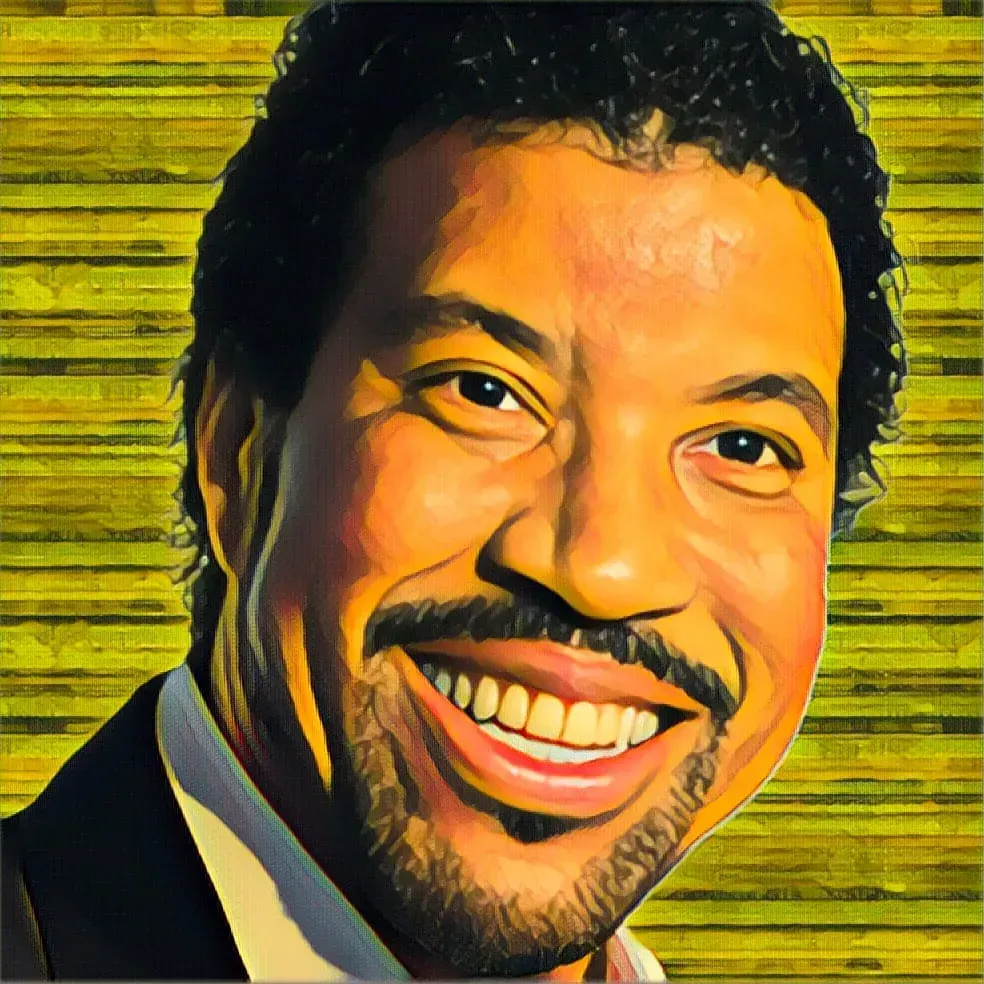
On June 11, 2026, Lionel Richie filed four trademark applications with the U.S. Patent and Trademark Office, seeking protection for the sound of his voice as captured in iconic phrases from his most recognizable songs. The applications cover four specific audio recordings: "Hello, is it me you're looking for?", "Say you, say me", "Easy like Sunday morning" and "All night long." The filings were first analyzed publicly by trademark law firm Gerben IP and reported by Billboard.
Richie is 76 years old. He has sold more than 100 million records. He is one of the most recognizable voices in the history of popular music. And in 2026, that recognition has become something his legal team needs to actively protect.
The rapid growth of AI voice cloning technology has made it possible to replicate a famous voice using only a few seconds of source audio, at virtually no cost and with results good enough to deceive listeners. The entertainment industry has responded slowly. Richie has decided not to wait any longer.
The legal logic behind the filings is specific. Copyright law protects songs, lyrics and recorded performances as creative works. It does not protect the human voice itself. Publicity rights, which cover an individual's name, likeness and voice, exist under a patchwork of US state laws and come with significant limitations in scope and enforceability.
Trademark law offers a different and potentially broader framework. A registered sound trademark functions as a brand identifier. The distinctive "tu-dum" sound Netflix plays at startup is the most cited example. If Richie can establish that the sound of his voice singing those four phrases functions as a source identifier in commerce, a registered trademark would give him the legal standing to stop any AI-generated reproduction that sounds similar enough to create consumer confusion about his involvement.
The applications were filed on an intent-to-use basis, meaning Richie is not yet using the phrases as trademarks in commerce. The filings indicate that the sounds will eventually be used in connection with providing music and entertainment information, videos and news about a musical artist.
Gerben IP attorney Josh Gerben flagged that the applications face significant legal challenges. The USPTO will require evidence that the sounds function as trademarks rather than simply as famous lyrics. A song lyric on its own is not protectable as a trademark because it does not inherently identify a product or service source. Richie's team will need to demonstrate that the phrases are being used in a branded manner consistent with trademark law before any registration can issue.
The core argument behind all these filings is the same. Copyright and publicity rights leave gaps that AI exploits. Trademark law may be able to fill some of those gaps. Whether courts will agree is an open question that Richie's filings may help answer.
The intelligence satisfies curiosity. The paid briefings satisfy strategy.
Every Monday, Elite subscribers receive an Investor Memo breaking down the deal, the structure and the positioning behind the week's most consequential African wealth story - the kind of analysis that doesn't appear anywhere else.
Twice a month, a Wealth Intelligence brief profiles a single billionaire's holdings, cash flows and expansion pipeline in detail no public source matches.
→ Executive ($25/mo): Daily newsletter + Deep-Dive Reports
→ Elite ($75/mo): Everything above + Investor Memos + Wealth Intelligence + Quarterly Analyst Briefings
Subscribe now