

Table of Contents
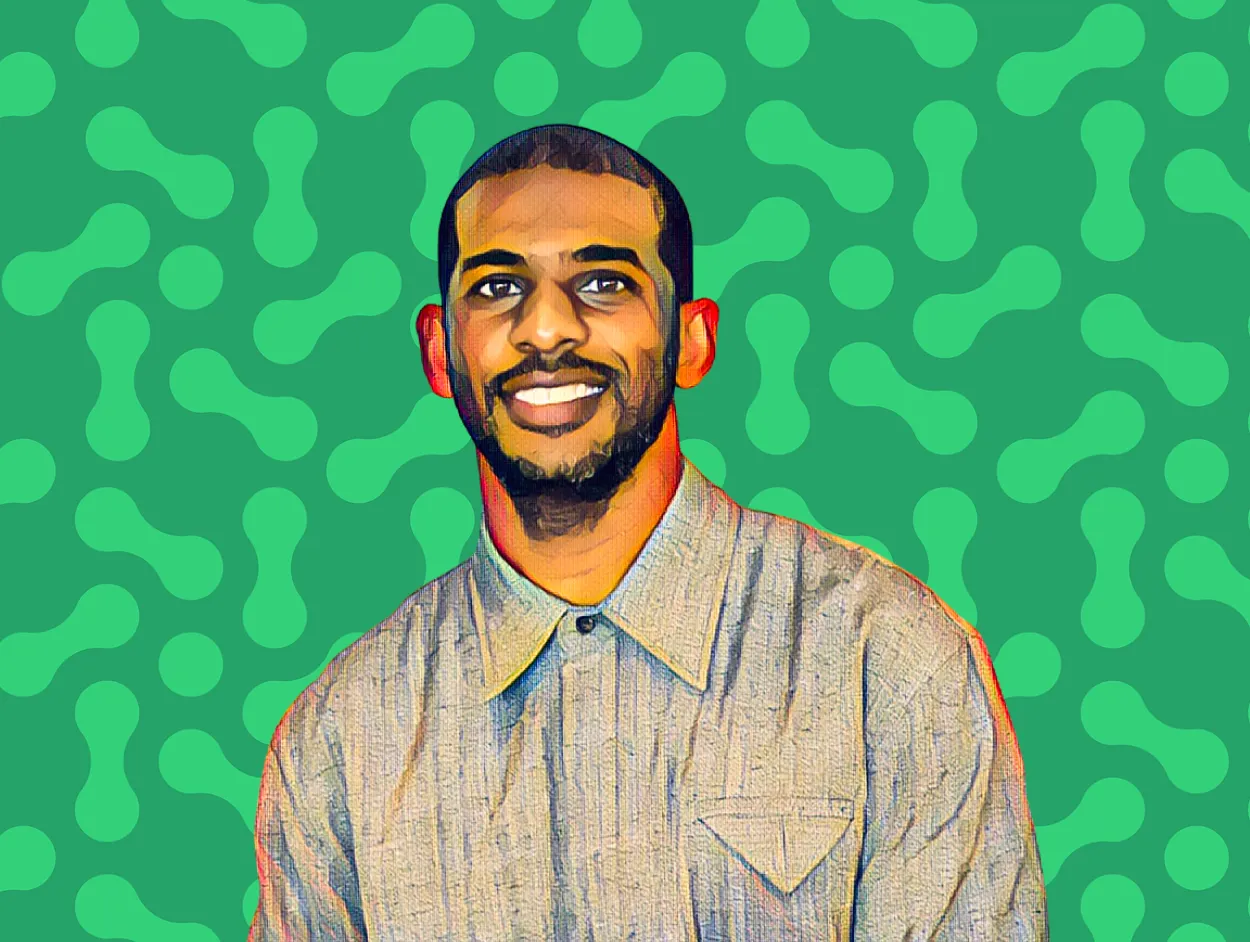
On Feb. 13, 2026, Chris Paul announced the end of a basketball life that had lasted 21 seasons, and the announcement carried a familiar ache. He was retiring as one of the finest point guards the game has ever produced, a 12-time All-Star who sat near the top of the league's all-time lists for assists and steals, and he was doing it without ever having won a championship. The ring, the one prize that eluded him, had become the defining absence of an otherwise complete career.
The absence on the court obscures the abundance off it. While Paul chased a title that never came, he assembled something almost no athlete of his generation matched, a sprawling portfolio of company stakes, a media production house, an affordable-housing fund and an endorsement empire, all built with the same control and foresight he brought to running an offense. He earned more than $400 million in NBA salary, and his fortune is estimated at $160 million (about 224 billion naira), the visible portion of a business life that may ultimately outshine the basketball one.
He was always called a floor general, the player who saw the whole court a beat before everyone else. That same vision, applied to money and business rather than passing lanes, is the real story of Chris Paul. He spent two decades building an empire while the world watched him chase a trophy.
Paul was born on May 6, 1985, in Winston-Salem, North Carolina, into a close family whose influence shaped everything that followed. The defining moment of his youth was a tragedy, the murder of his beloved grandfather, Nathaniel Jones, during Paul's senior year of high school. In tribute, the teenager scored 61 points in a single game, one for each year of his grandfather's life, then walked off the court in tears. The story became legend, a window into a competitor driven by something deeper than basketball.
He starred at Wake Forest before the New Orleans Hornets drafted him fourth overall in 2005, and he was named Rookie of the Year the following season. Over the next two decades he became the prototype of the modern lead guard, a relentless orchestrator who led the league in assists and steals repeatedly and willed a long line of teams into contention, from the Lob City Clippers to the Houston Rockets, the Oklahoma City Thunder, the Phoenix Suns, the Golden State Warriors and the San Antonio Spurs. His lone trip to the NBA Finals came in 2021 with Phoenix, a series his team lost.
Off the court he wielded influence few players ever have. Paul served as president of the National Basketball Players Association for nearly a decade, a tenure that included the high-stakes negotiations of the 2020 season played inside a pandemic bubble. He was not merely a great player but a power broker, comfortable in rooms where the business of the league was decided. That comfort with power and money would define his second act.
The financial scale of Paul's playing days was staggering even by modern standards. Across 21 seasons he earned more than $404 million in salary alone, a figure that ranks among the highest in NBA history, the reward for sustained excellence at the game's most demanding position. His career came full circle in 2025 when he returned to the Clippers for a farewell run before a trade to Toronto and his subsequent retirement.
The money did not buy the one thing he wanted most. Paul will be remembered as perhaps the greatest player never to win a title, a distinction that frustrated him for years and fueled endless debate about his legacy. Yet the framing misses the larger point. The same qualities that made him a Hall of Fame floor general, the discipline, the preparation, the refusal to waste a possession, were quietly making him one of the wealthiest and most strategically minded businessmen in the sport.
Paul treated his earnings as capital rather than spending money. Where many stars of his caliber measured success in rings and highlight reels, he measured it in equity, in ownership, in the businesses and causes his money could build. By the time he retired, the championship gap had become almost beside the point. He had built something a trophy could not measure.
The intelligence satisfies curiosity. The paid briefings satisfy strategy.
Every Monday, Elite subscribers receive an Investor Memo breaking down the deal, the structure and the positioning behind the week's most consequential African wealth story — the kind of analysis that doesn't appear anywhere else.
Twice a month, a Wealth Intelligence brief profiles a single billionaire's holdings, cash flows and expansion pipeline in detail no public source matches.
→ Executive ($25/mo): Daily newsletter + Deep-Dive Reports
→ Elite ($75/mo): Everything above + Investor Memos + Wealth Intelligence + Quarterly Analyst Briefings
Subscribe now