

Table of Contents
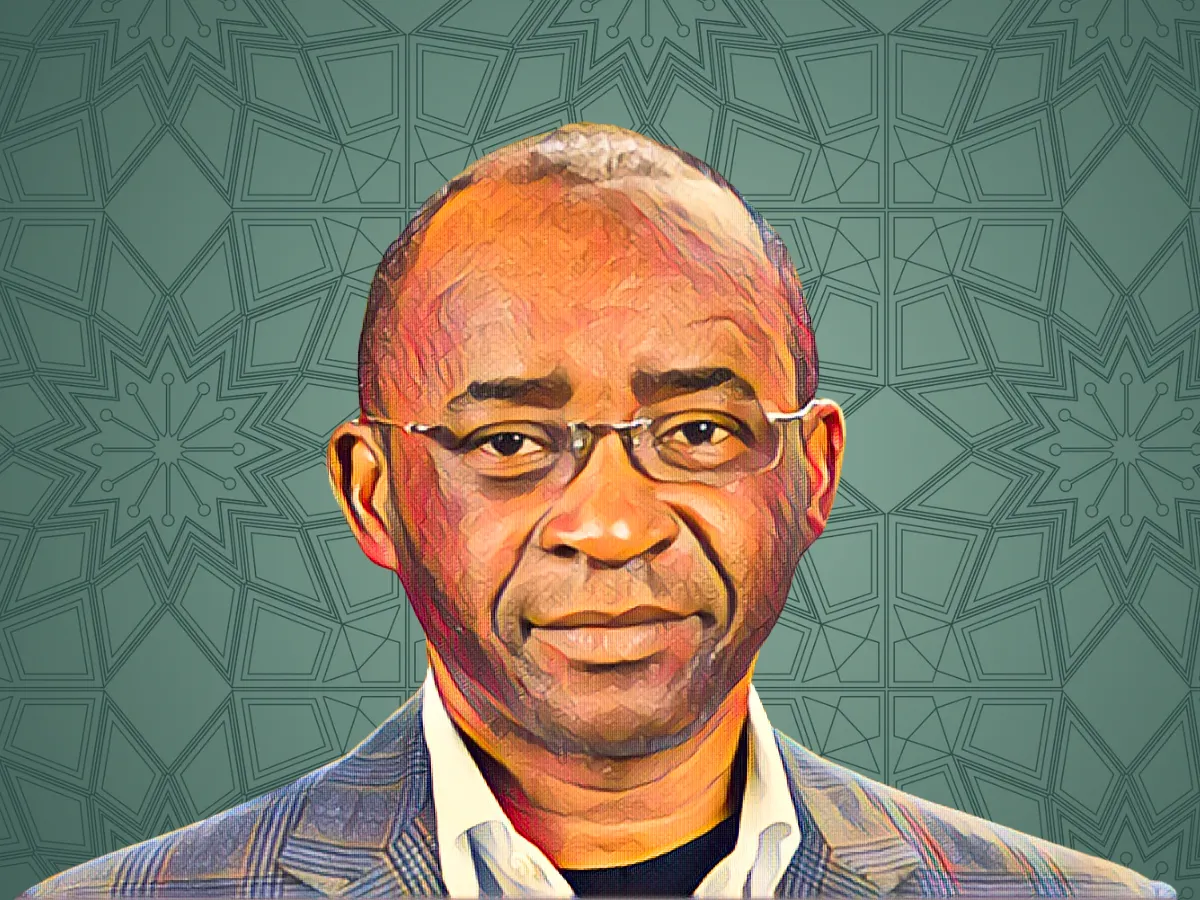
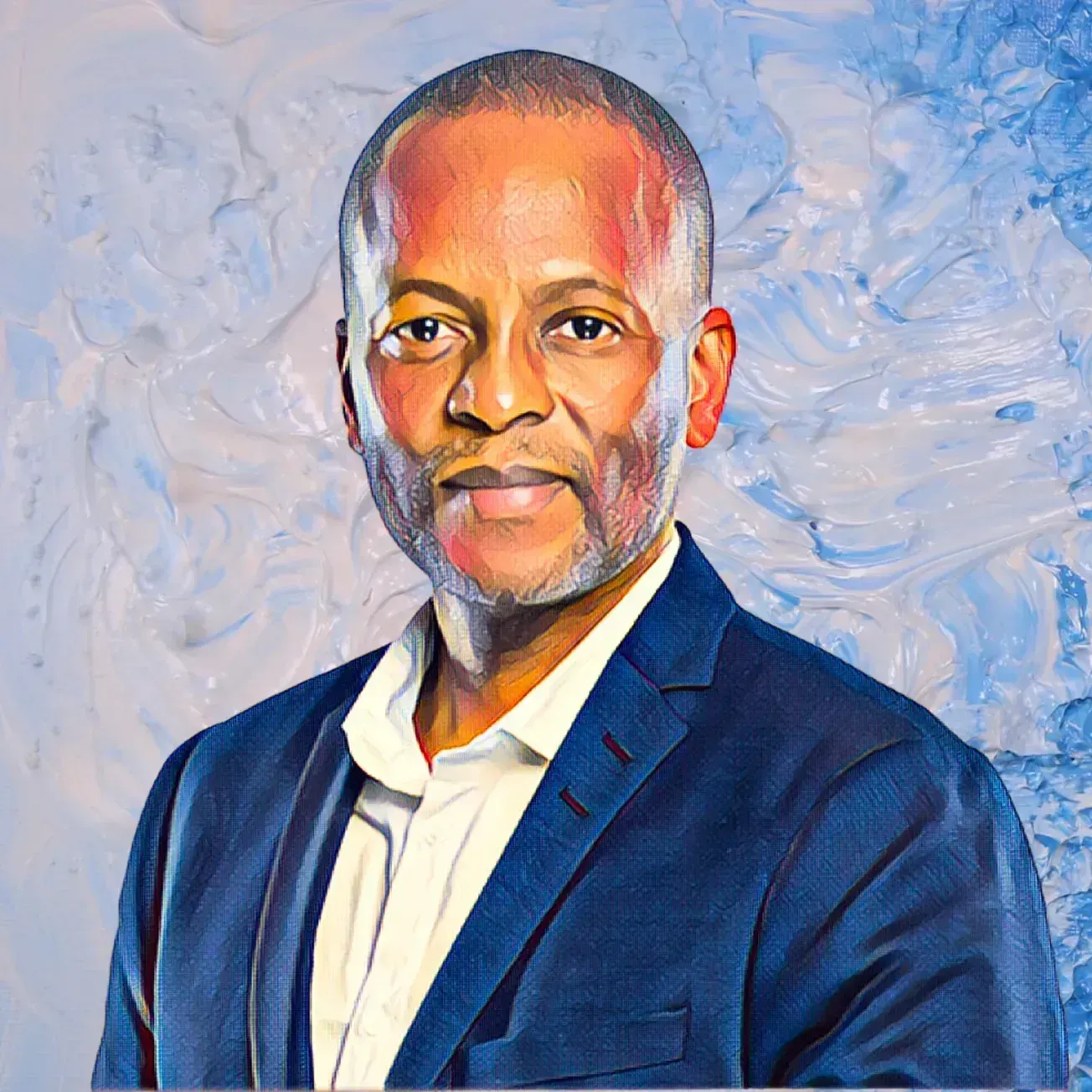
Sandile Zungu's Sizekhaya Holdings assumed operational control of South Africa's National Lottery on June 1, 2026, beginning an eight-year contract widely described as worth R180 billion ($10.9 billion) in projected ticket sales and marking the first change of lottery operator in the country since 2015. The transition came with R130 million jackpots, live televised draws returning to e.tv for the first time in years, and more than 5,500 new retail terminals activated across the country. It also came with unresolved litigation that could yet reverse the award entirely.
The eighth national lottery licence — the fourth issued under the Lotteries Act 57 of 1997 — runs for eight years and is widely described as a R180 billion contract, based on projected ticket sales over the term. Under the licence terms, 34 percent of revenue flows to the National Lottery Distribution Trust Fund, which funds charities, sport, arts and community infrastructure. The National Lotteries Commission says the lottery has channelled more than R31 billion to good causes since its inception in 2000. Ithuba alone contributed R1.83 billion to the NLDTF in the 2024 financial year on ticket sales of R7.28 billion. Togo First
The Sizekhaya consortium is led by KwaZulu-Natal businessman Moses Tembe, who chairs the company, and AmaZulu FC owner Sandile Zungu. JSE-listed Goldrush holds a 40 percent stake in Sizekhaya, with Bellamont Gaming and the National Empowerment Fund among the other consortium participants. The award was made by Trade, Industry and Competition Minister Parks Tau in May 2025 after a competitive bidding process involving eight companies. Togo First
Sizekhaya formally assumed operation of the lottery on June 1, 2026, but while Judge Tolmay's judgment cleared the way for the handover, it did not end the legal battle. Ithuba's main review case, together with a parallel challenge from Lekalinga, is still before the North Gauteng High Court in Pretoria and is scheduled, on the current roll, to be heard later this year. The EFF has applied to join the case, arguing that the Mashatile family link is an additional reason to overturn the contract. Togo First
Across the two reviews, the applicants allege procedural flaws — from unlawful scoring and premature negotiations to weak checks on political connections — and deeper structural issues, including whether Sizekhaya met the funding and readiness requirements of the original tender when the licence was awarded. None of these claims has yet been ruled on in the review proceedings. Togo First
The political dimension of the dispute centres on the participation of Khumo Bogatsu, a relative of Deputy President Paul Mashatile by marriage, as a director of Bellamont Gaming, which holds approximately 5.6 percent of the Sizekhaya consortium. Sizekhaya has forcefully rejected these claims, insisting that the selection was merit-based, that it prevailed in an open and competitive process, and that accusations of political influence are unfounded. It has also stressed that, as the deputy president told parliament, he played no role in the adjudication process or the work of the NLC, and that neither Bellamont Gaming nor Sizekhaya ever discussed the bid with him. Togo First
Zungu has spent more than two decades building a business empire rooted in KwaZulu-Natal. He grew up in Umlazi Township in Durban and emerged with an engineering degree from the University of Cape Town, subsequently building interests across financial services, infrastructure, sports and now gaming. He is the owner and chairman of AmaZulu FC, the Durban-based Premier Soccer League club his daughter Sinenjabulo serves as CEO. In 2026 alone, he also joined a consortium that acquired Sumitomo's 54 percent stake in the Ambatovy nickel and cobalt mine in Madagascar, picking up the asset after the Japanese group had spent $3 billion developing it and absorbed $2.6 billion in cumulative losses. The lottery contract and the Madagascar mine acquisition in the same year have materially altered the scale of his commercial footprint beyond anything previously associated with his name.
The court hearings that will determine whether Sizekhaya retains the lottery licence are expected in the second half of 2026. Until then, Zungu and Tembe will run one of the most visible consumer-facing commercial institutions in South Africa, touching millions of households through weekly draws, scratch cards and digital platforms, while their lawyers prepare for the case that will determine whether they keep it.
The intelligence satisfies curiosity. The paid briefings satisfy strategy.
Every Monday, Elite subscribers receive an Investor Memo breaking down the deal, the structure and the positioning behind the week's most consequential African wealth story — the kind of analysis that doesn't appear anywhere else.
Twice a month, a Wealth Intelligence brief profiles a single billionaire's holdings, cash flows and expansion pipeline in detail no public source matches.
→ Executive ($25/mo): Daily newsletter + Deep-Dive Reports
→ Elite ($75/mo): Everything above + Investor Memos + Wealth Intelligence + Quarterly Analyst Briefings
Subscribe now