

Table of Contents
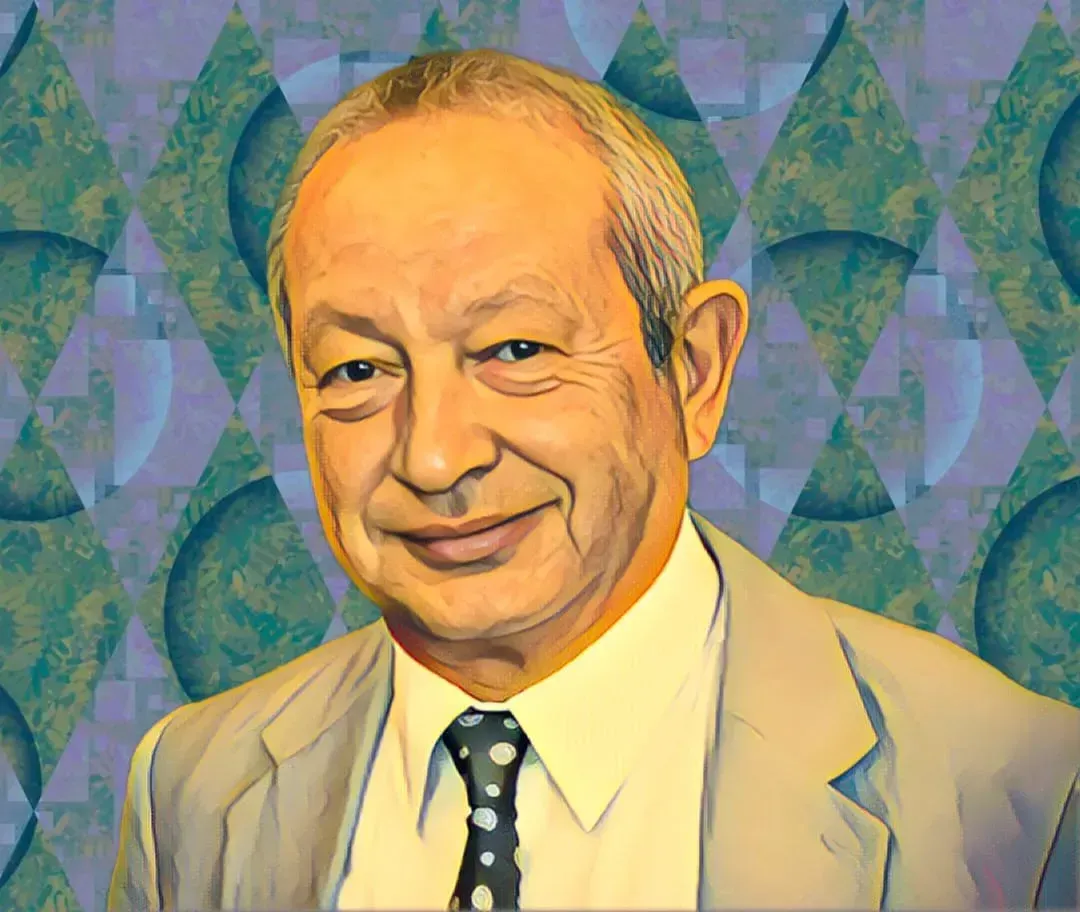
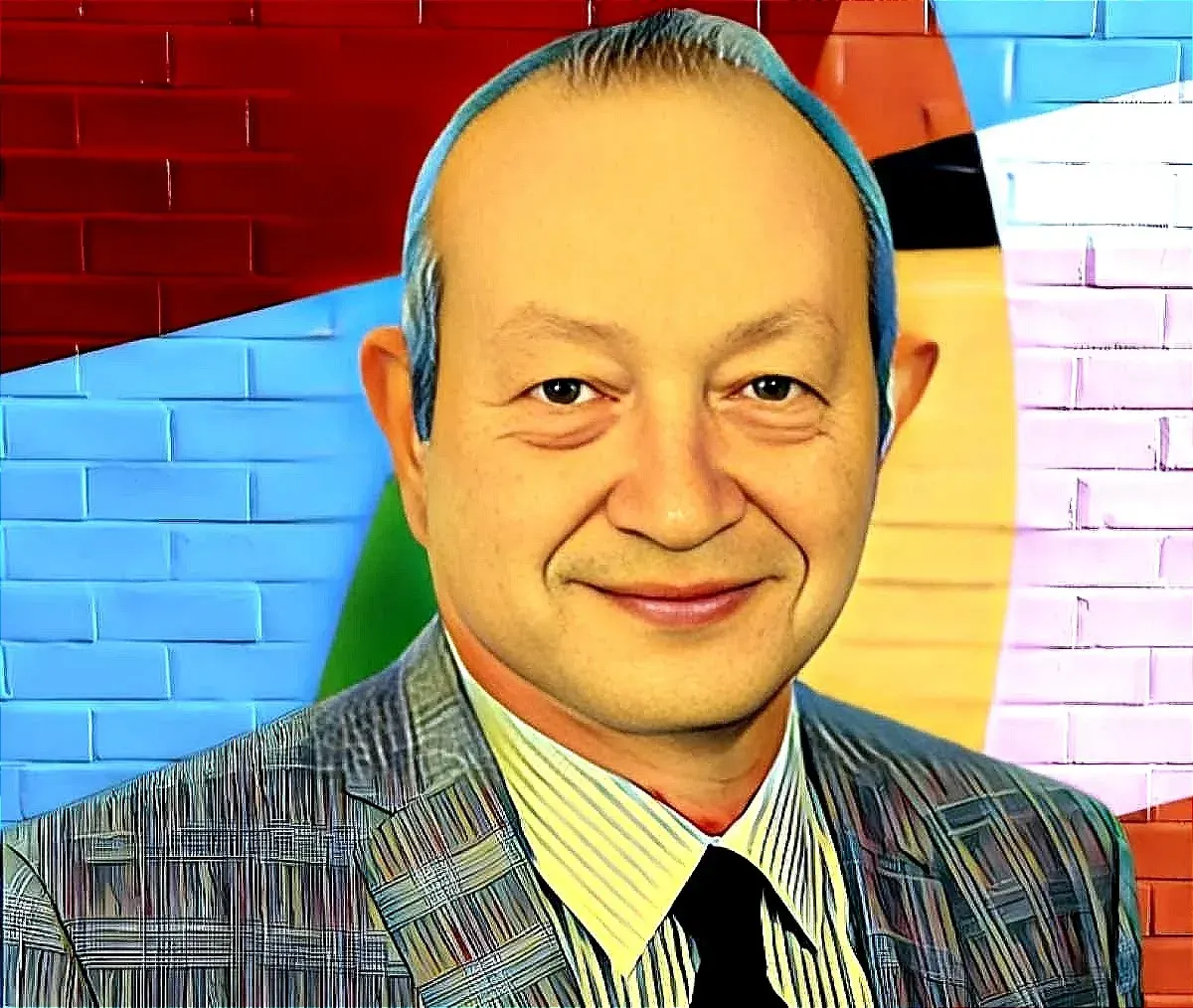
Naguib Sawiris is putting another $10 million (500 million Egyptian pounds) into his overhaul of the Giza plateau, lifting his total investment by about a third on a bet that concerts and sporting events can push Egyptian tourism to record levels.
The money buys a fleet of 30 electric hop-on, hop-off tourist buses and a lightweight steel open-air sports pavilion seating 15,000, according to Amr Gazarin, executive chairman of Orascom Pyramids Entertainment.
The company, a subsidiary of Sawiris' Orascom Investment Holding, has another decade to run on its agreement with the Egyptian government to remake the experience of visiting monuments that are more than 4,000 years old.
The commercial arrangement is unusual. The government keeps every pound of ticket revenue from the pyramids themselves. Orascom Pyramids earns its money by leasing five plots on the plateau to event promoters, running VIP tours and signing sponsorship deals, and it also rents commercial space and owns several restaurants on the site.
Events are the engine. Gazarin said large-scale shows should generate up to 200 million Egyptian pounds ($4.1 million) in revenue during 2026, with the company reaching break-even next year. Shakira performs in November, following the Red Hot Chili Peppers and the Black Eyed Peas, who have played at the pyramids over the past decade. Gazarin said he wants more of what the site staged in May, when Ukrainian heavyweight Oleksandr Usyk fought within sight of the monuments.
The buses may be sourced at home. Gazarin said they could be bought from El Nasr Automotive Manufacturing, the state-owned Egyptian carmaker that recently signed an agreement with China's FAW Group to build a range of vehicles locally under the Nasr badge.
The new spending takes the company's cumulative investment on the plateau to roughly 2 billion Egyptian pounds ($41 million), up from about 1.5 billion, and it is being funded entirely from the company's own resources rather than borrowing.
Orascom has borrowed elsewhere in the project. OSL Entertainment Projects, a separate subsidiary of Orascom Investment Holding, secured a medium-term loan from Commercial International Bank last year, reported at 963 million Egyptian pounds (about $20 million), to build a new sound and light show and a dedicated viewing area for it.
The group's involvement started small. Orascom Pyramids signed a 200 million pound contract in 2021 to develop and help manage the sound and light shows, a facility Sawiris pointed out at the time had gone essentially unchanged since 1961. The brief widened from there into a full redevelopment of the plateau.
The commercial logic rests on how badly the site has underperformed. Before the overhaul, the pyramids drew about 2.5 million visitors a year, modest for what is arguably the most recognisable archaeological destination on earth. The company is targeting five million next year.
Progress has been contested. A new entrance on the Cairo-Fayoum road, trialled last year to replace the congested historic gate, drew protests from horse and camel handlers ordered into newly designated zones, who blocked bus traffic in response. The operators have long attracted complaints from tourists over harassment and alleged extortion, and Sawiris said publicly that anyone refusing to relocate would be banned from the archaeological area.
The national numbers give him cover. Egypt received roughly 19 million travellers last year, a figure exceeded on the continent only by Morocco. Tourism Minister Sherif Fathy has said a record 20 million is achievable in 2026, with nine million already logged in the first half of the year, a resilience the government credits despite nearly three years of conflict across the wider Arab world. Tourism remains one of Egypt's largest sources of foreign currency and employment.
Sawiris, worth about $3.8 billion, is chairman of Orascom Investment Holding and the founder of Orascom Telecom, the mobile business he built across Africa, the Middle East and Asia before selling it. He and his brother Nassef, Egypt's richest man, are the country's two wealthiest individuals. His other interests span gold mining through La Mancha, media, and real estate through Ora Developers.
He has been candid that the pyramids are not a quick trade. Sawiris has described the Giza investment as a long-term project rather than a near-term commercial return, and the structure supports that, since the state collects the ticket money while his company waits on events, tours and sponsorships to build a business.
Whether a 15,000-seat pavilion and a fleet of electric buses can lift a 4,500-year-old site to five million visitors is the question the next 12 months will answer. Gazarin says the company breaks even next year. Shakira arrives in November.
The intelligence satisfies curiosity. The paid briefings satisfy strategy.
Every Monday, Elite subscribers receive an Investor Memo breaking down the deal, the structure and the positioning behind the week's most consequential African wealth story - the kind of analysis that doesn't appear anywhere else.
Twice a month, a Wealth Intelligence brief profiles a single billionaire's holdings, cash flows and expansion pipeline in detail no public source matches.
→ Executive ($25/mo): Daily newsletter + Deep-Dive Reports
→ Elite ($75/mo): Everything above + Investor Memos + Wealth Intelligence + Quarterly Analyst Briefings
Subscribe now