

Table of Contents
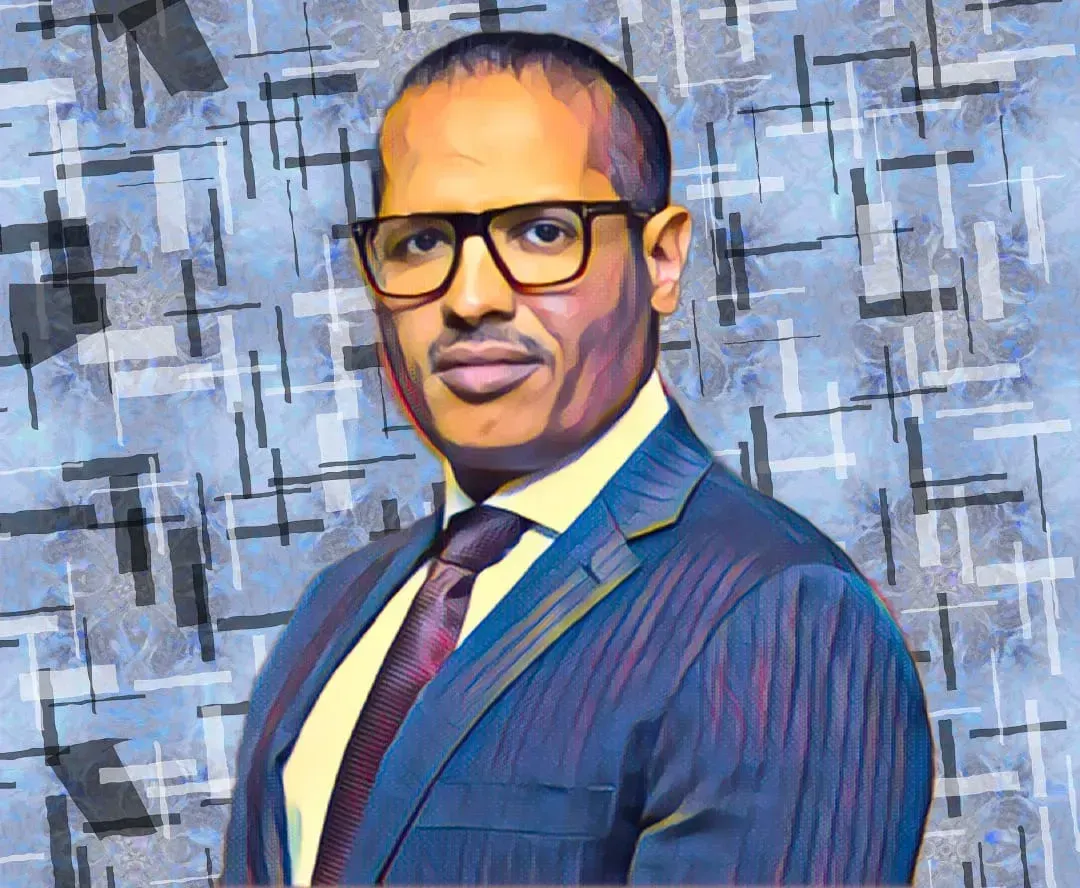
Axsome Therapeutics, the New York biotech run by Haitian-born billionaire Herriot Tabuteau, has dosed the first patient in a late-stage trial testing its wakefulness drug solriamfetol in children with attention deficit hyperactivity disorder, pushing further into a market it entered by buying a drug others had given up on.
The company said Tuesday that dosing had begun in FOCUS-2, a Phase 3, randomised, double-blind, placebo-controlled study running across multiple centres. It will enrol roughly 468 children aged 6 to under 12, splitting them evenly between two doses of solriamfetol and a placebo over six weeks. The primary measure is the change in their score on the ADHD Rating Scale after those six weeks.
A companion trial is already under way. Axsome dosed the first patient in FOCUS-3, which tests the same drug in adolescents aged 12 to under 18, on June 26. That study carries the same design and roughly the same enrolment. Between them, the two trials cover the entire paediatric age range.
Both grew out of adult results reported in March 2025. In a trial of 516 adults, solriamfetol met its primary endpoint, cutting scores on the Adult ADHD Investigator Symptom Rating Scale by 17.7 points at the 150 mg dose against 14.3 points for placebo, a 45 percent mean reduction from baseline. Patients separated from placebo as early as week one. Clinical response, defined as at least a 30 percent improvement, was reached by 53.5 percent of those on the drug compared with 41.3 percent on placebo.
The higher 300 mg dose did better than placebo but not by enough to count as statistically significant.
Tabuteau called the adult data the first controlled, multicentre evidence that solriamfetol works in ADHD, and said then that the company would move into children the same year. Axsome subsequently held a Type B meeting with the Food and Drug Administration and settled on running two paediatric studies rather than one.
The patient population is large. An estimated 15.5 million adults and 7 million children in the United States have ADHD, and roughly two-thirds or more of children with the condition still have symptoms as adults.
The drug at the centre of it all is already on pharmacy shelves. Solriamfetol sells as Sunosi, a dopamine and norepinephrine reuptake inhibitor that is also a TAAR1 agonist and a 5-HT1A agonist, cleared to improve wakefulness in adults with excessive daytime sleepiness caused by narcolepsy or obstructive sleep apnoea.
Axsome picked it up cheaply. It bought Sunosi from Jazz Pharmaceuticals in 2022 for $53 million upfront plus royalties, at a point when the drug was widely viewed as an underperformer, and has spent the years since trying to widen its label. Sunosi generated $124.8 million in net product revenue last year, up from $94.3 million in 2024.
ADHD is only one of the doors Axsome is trying. Solriamfetol is also in Phase 3 testing for major depressive disorder with excessive daytime sleepiness, for binge eating disorder through a study called ENGAGE, and for shift work disorder in a trial called SUSTAIN, whose topline results are expected in 2027.
The wider company has been on a run. Axsome sells three approved medicines, Auvelity, Sunosi and Symbravo, and employs about 1,220 people. Net product revenue reached $191.2 million in the first quarter of 2026, a 57 percent jump, with Auvelity alone contributing $153.2 million.
Its biggest recent win came with that drug. Auvelity, known in development as AXS-05, won approval for agitation associated with Alzheimer's disease, the first non-antipsychotic treatment cleared for the condition. The clearance helped double Axsome's share price over nine months.
Investors took Tuesday's news calmly but positively. The stock closed at $249.76, up nearly 3 percent, and gained more in after-hours trading. RBC Capital lifted its price target to $304 from $302 and kept an outperform rating. Across 21 analysts, the consensus is a buy, with an average target of $276.56.
Tabuteau built the company on an unusual foundation. He founded Axsome in 2012 with a focus on brain disorders, a field known for expensive failures, and financed the early work with money from family and friends rather than venture capital. Trained at Yale School of Medicine, he spent years in finance, including stints at Goldman Sachs and Bank of America Securities and in hedge funds, before turning to drug development.
Forbes estimates his fortune at about $2.2 billion and counts him among a very small group of Haitian-born billionaires. He has said Axsome intends to file at least one new drug application a year through 2030.
Getting solriamfetol approved in children will take more than money. Paediatric trials tend to be slower to enrol and more closely scrutinised on safety, and Axsome has not said when it expects results from either FOCUS-2 or FOCUS-3. Until the data arrives, a drug the company bought for the price of a small office building keeps expanding the number of shots it has on goal.
The intelligence satisfies curiosity. The paid briefings satisfy strategy.
Every Monday, Elite subscribers receive an Investor Memo breaking down the deal, the structure and the positioning behind the week's most consequential African wealth story - the kind of analysis that doesn't appear anywhere else.
Twice a month, a Wealth Intelligence brief profiles a single billionaire's holdings, cash flows and expansion pipeline in detail no public source matches.
→ Executive ($25/mo): Daily newsletter + Deep-Dive Reports
→ Elite ($75/mo): Everything above + Investor Memos + Wealth Intelligence + Quarterly Analyst Briefings
Subscribe now