

Table of Contents
SpaceX will attempt to beam data from orbit to ground stations in South Africa this week, a test that puts Elon Musk's satellite network over the one African country where it still cannot legally sell service.
The link-up rides on Starship's thirteenth test flight, scheduled to lift off as soon as Thursday from Starbase in south Texas. The 90-minute window opens at 5:45 p.m. Central time. It will be the second flight of the V3 vehicle, pairing Super Heavy Booster 20 with Ship 40.
Starship will carry Starlink satellites for the first time. Twenty next-generation V3 units will deploy from the upper stage, extend their solar arrays and antennas, and try to connect with the wider constellation and with ground stations in South Africa using high-capacity laser links. Six carry cameras trained on Starship's heat shield, with several tiles painted white to mimic missing ones and give the imaging system something to find.
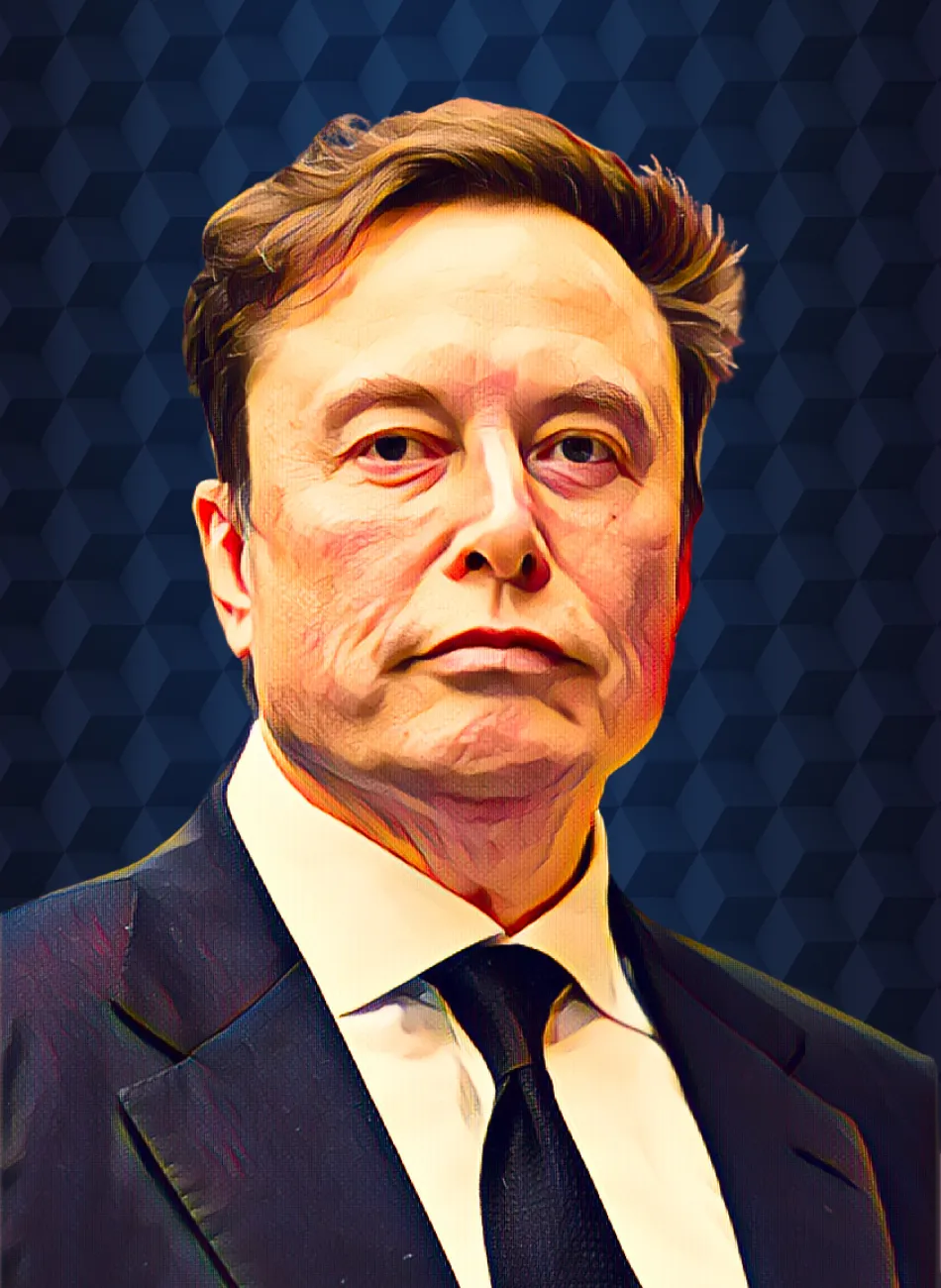
Musk was born in Pretoria. His company has been unable to obtain a licence to operate there for years.
South African law requires telecoms licensees to be at least 30% owned by historically disadvantaged groups, a condition rooted in Black economic empowerment rules. SpaceX will not sell local equity, so it holds neither of the two licences the Electronic Communications Act demands. Communications Minister Solly Malatsi gazetted a policy direction in December recognising equity equivalent investment programmes as an alternative, but the regulator ICASA ruled in May that it cannot apply that route without Parliament amending the Act. Legislation has not been tabled.
Musk has not taken the impasse quietly. He has said publicly that Starlink is blocked because he is not Black and has described the ownership rules as racist. South African officials have countered that the company faces the same conditions as everyone else. SpaceX has meanwhile pledged roughly $29 million to supply free internet to 5,000 South African schools and about $120 million toward local infrastructure if licensed. Analysts see a legal launch arriving in 2027 at the earliest.
The rest of the continent has been more welcoming. Starlink went live in Nigeria and Rwanda in 2023 and now operates in more than two dozen African markets, including Kenya, Zambia, Zimbabwe, Malawi, Mozambique and Sierra Leone. It became Nigeria's second-largest internet service provider within two years. Africa accounted for roughly half a million of its estimated 10 million users at the end of last year, and the rollout has not been frictionless, with Botswana initially rejecting an application and Cameroon suspending the service in 2024.
The flight matters for reasons beyond Africa. Starlink subscriptions generate the bulk of SpaceX's revenue, which reached $18.67 billion last year according to its filing, and the V3 satellites are heavier and more capable than anything the company has orbited. Starship is the only vehicle able to carry them in volume, which makes Thursday a test of the business model as much as the rocket.
The last attempt exposed problems. On Flight 12 in May, uneven engine startup sent the booster's flip roughly 90 degrees off target, and five of its 33 engines struggled to relight, cutting the boostback burn short. The booster splashed down in the Gulf of Mexico rather than returning to the tower. SpaceX has since modified the startup sequence and the relight hardware.
Flight 13 repeats the same suborbital profile rather than pushing for orbit. The booster will aim for a clean ascent, stage separation, boostback and landing burn offshore. The upper stage will deploy the satellites, relight a single Raptor engine in space, and attempt a controlled reentry and splashdown in the Indian Ocean.
The stakes have changed since Starship last flew. SpaceX went public on June 12 in the largest initial offering in market history, pricing 555.6 million shares at $135 and raising $85.7 billion after underwriters exercised their overallotment. The stock opened at $150, closed its first day at $160.95, and briefly valued the company above $2 trillion. It made Musk the world's first trillionaire and dwarfed Saudi Aramco's previous record.
Investors have cooled since. Shares slipped below their debut price this month and were trading near $145 on Monday, close to a 52-week low, even after the company was fast-tracked into the Nasdaq-100 just 15 days after listing. Musk retains more than 80% of voting power through a dual-class structure.
Thursday's launch is now a public company's test flight, watched by shareholders as much as engineers. The satellites it drops will look for a signal in the country that will not license them.
The intelligence satisfies curiosity. The paid briefings satisfy strategy.
Every Monday, Elite subscribers receive an Investor Memo breaking down the deal, the structure and the positioning behind the week's most consequential African wealth story - the kind of analysis that doesn't appear anywhere else.
Twice a month, a Wealth Intelligence brief profiles a single billionaire's holdings, cash flows and expansion pipeline in detail no public source matches.
→ Executive ($25/mo): Daily newsletter + Deep-Dive Reports
→ Elite ($75/mo): Everything above + Investor Memos + Wealth Intelligence + Quarterly Analyst Briefings
Subscribe now