

Table of Contents
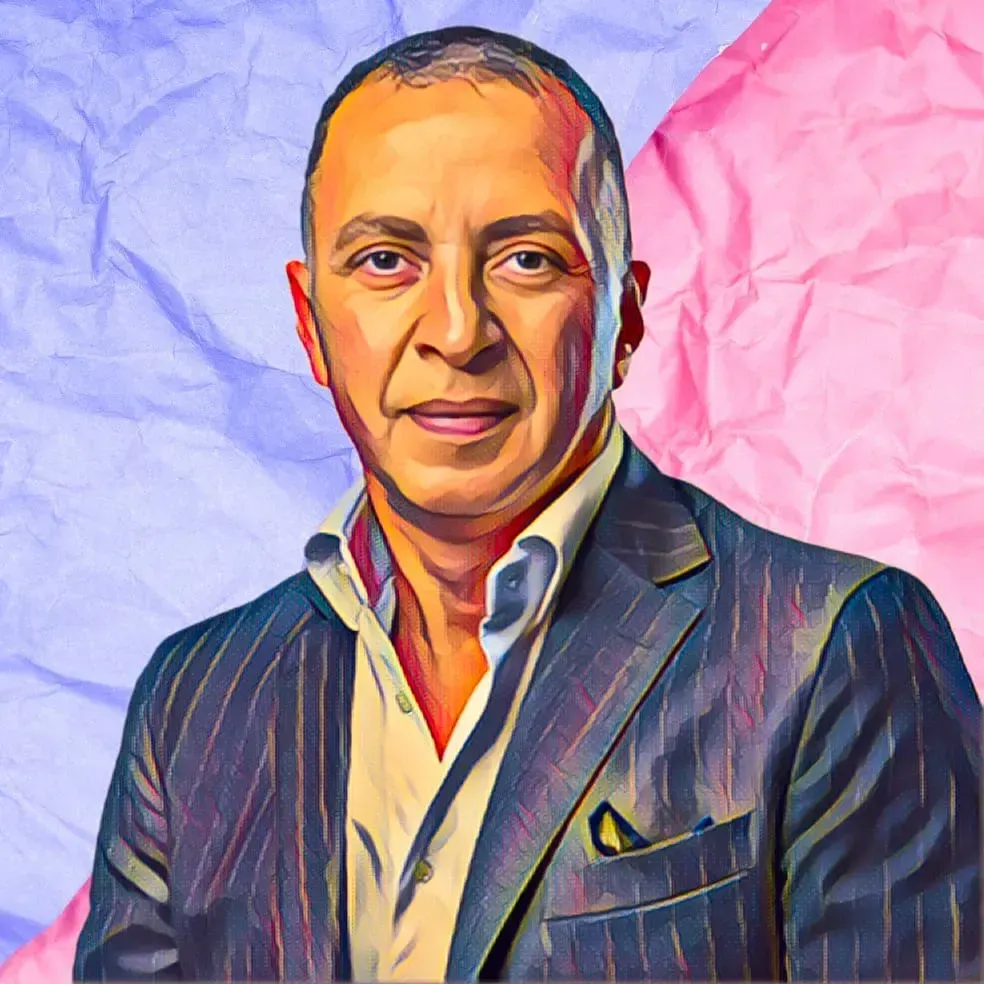
The sale of Morocco's second-largest flour miller to Chakib Alj is back on after the buyer, the seller and the bank that had won a court judgment against the company reached an agreement, according to Africa Intelligence.
The deal had stalled since May, when the Casablanca commercial court ruled in favour of Crédit Agricole du Maroc against three companies inside Yariv Elbaz's Forafric group. The state-owned lender walked away with two judgments worth a combined $20.3 million (190.5 million dirhams), plus legal interest running from the date of its claim until payment.
The larger judgment held Cerelis, the group's grain trading arm, jointly and severally liable alongside Forafric Maroc and Tria Group for $19.4 million (181.4 million dirhams). The court capped the portion recoverable from Forafric Maroc itself at $3.4 million (32 million dirhams), pushing the bulk of the exposure onto Cerelis and Tria Group. A second ruling ordered Forafric Maroc alone to pay roughly $969,000 (9.1 million dirhams). The bank had filed on December 8, and the court appointed an accounting expert, Samir Joudi, before reaching its conclusions.
The timing was awkward. Eleven days before the judgments landed, Forafric Global's annual report to the U.S. Securities and Exchange Commission described the same litigation as heading toward an amicable settlement while simultaneously reaffirming the going concern warning its auditors had issued a year earlier.
Alj's Cap Holding had cleared the regulatory hurdles months ago. It notified Morocco's Competition Council on March 6 of its plan to take 68% of the capital and voting rights in Forafric Maroc, and the regulator authorised the transaction on April 20. What it could not clear was a bank with an enforceable judgment sitting on top of the assets it wanted to buy.
Whether the new agreement involves settlement, restructuring or a haircut has not been disclosed. None of the three parties has commented publicly.
Forafric is being sold because it ran out of room. The Nasdaq-listed group expanded aggressively across Morocco, Burkina Faso, Mali and Angola under Elbaz, a Franco-Moroccan financier, and financed the push with debt. It carried about $179 million of financial borrowings at the end of June 2025 against a balance sheet of roughly $266 million, posted a net loss of $10.88 million in the first half of that year, and watched revenue drop sharply as wheat prices swung. Its auditors flagged serious doubt about its ability to continue as a going concern.
The company's response to losing its core business was unusual. Three days after the Competition Council approved the sale, Forafric announced it would reposition itself at the intersection of food security, defence and energy infrastructure, with reference to joint ventures in artificial intelligence, drone technology and anti-drone lasers. It said it was considering a name change. A second release described by Le Desk as a correction quickly replaced the first.
Alj is buying assets he understands. He returned to Morocco from Columbia University in 1987 and took over Société Nouvelle des Moulins du Maghreb, a century-old milling house, then expanded through Moulin de Berrechid, Moony, Matahine Bab Mansour and GSB. Cap Holding now spans milling, grain trading, storage, logistics, packaging through Multisacs, poultry and animal feed through Alf Mabrouk and Cicavi, and renewable energy through Adiwatt Maroc. It employs more than 3,500 people and recently took over Renault's distribution network in Morocco.
He has also been running the mills he does not yet own. In February, before the regulatory process was complete, Alj was already shipping grain into Forafric's plants at Meknes and Marrakesh to restart production ahead of Ramadan demand.
The prize is a bigger share of a market that consumes roughly 10 million tonnes of wheat a year. Forafric Maroc owns Tria and Maymouna, two of the country's best-known flour and pasta brands, and the acquisition would make Alj one of the dominant figures in Moroccan grain processing.
He carries an unusual second title into the transaction. Alj has served as president of the CGEM, Morocco's main employers' federation, since 2020, a role that gives him standing with the government at the same time as he consolidates a sector the state regulates tightly, from wheat imports to subsidised flour pricing.
What Elbaz retains once the mills are gone remains the open question.
The intelligence satisfies curiosity. The paid briefings satisfy strategy.
Every Monday, Elite subscribers receive an Investor Memo breaking down the deal, the structure and the positioning behind the week's most consequential African wealth story - the kind of analysis that doesn't appear anywhere else.
Twice a month, a Wealth Intelligence brief profiles a single billionaire's holdings, cash flows and expansion pipeline in detail no public source matches.
→ Executive ($25/mo): Daily newsletter + Deep-Dive Reports
→ Elite ($75/mo): Everything above + Investor Memos + Wealth Intelligence + Quarterly Analyst Briefings
Subscribe now