


Table of Contents
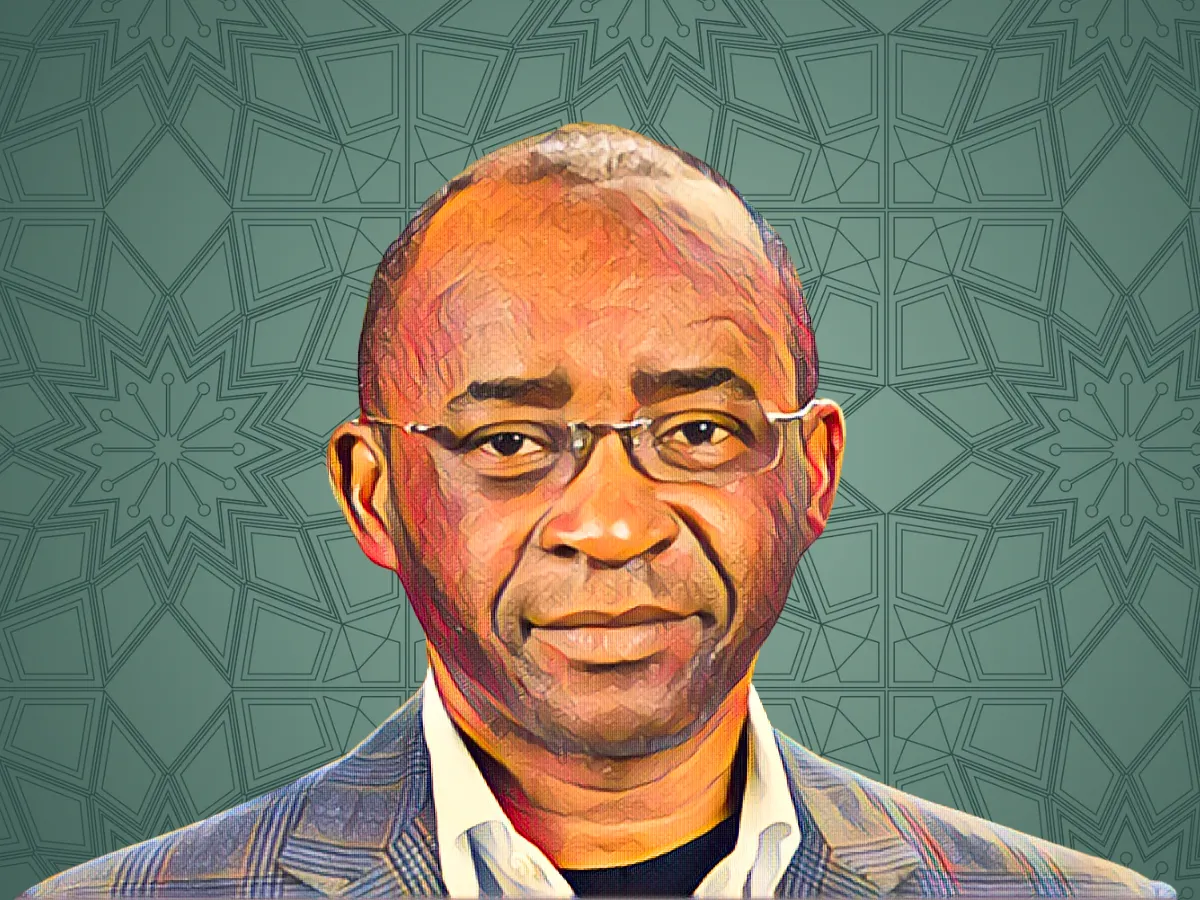
Malawi's first dollar billionaire, Thomson Mpinganjira, says he built the country's only radiotherapy cancer hospital to spare Malawians the cost and indignity of seeking treatment abroad, not to make money from it.
The founder of FDH Financial Holdings spoke as a Ministry of Health delegation toured the Blantyre International Cancer Centre ahead of signing an agreement that would let the government refer patients to the private facility. The visit was led by Secretary for Health and Population Dan Namarika.
Mpinganjira said the hospital grew out of the suffering he watched Malawians endure when illness forced them overseas. He built it in memory of his wife, Barbara, who died of cancer in 2019.
A hospital born of loss
"This facility was not built to make money," Mpinganjira said. "It was born out of the painful experiences many Malawians face when they travel abroad for treatment, spending huge amounts on accommodation while enduring poor treatment and discrimination."
He said some patients had met xenophobia in foreign hospitals, turning an already hard journey into something worse. What he wanted, he said, was a place where Malawians could be treated with dignity, close to their families, without leaving the country.
The centre opened in March 2024 as the first radiotherapy and cancer facility in Malawi's history. It is a joint venture between the Thomson and Barbara Mpinganjira Foundation, which his daughter runs, and OMCC, a company based in Belgium and Luxembourg. Mpinganjira has put the cost at about 5.3 million euros. Local reporting has valued the project at around 12 billion kwacha.
Before it existed, Malawians who needed radiotherapy had to travel to India or South Africa, an expensive and exhausting route that also drained public funds. Nyasa Times reported the centre would save the state an estimated 2 billion kwacha each quarter on foreign referrals.
A deal with the government
The agreement under discussion would allow the state to send eligible cancer patients to the hospital, widening access to treatment that has been out of reach for most people in one of the world's poorest countries, where income per person sits around $650 a year.
Namarika called the partnership a breakthrough in the fight against cancer, saying it would reduce suffering and bring life-saving care within reach of more people. He said it fit the government's push to strengthen specialised healthcare and cut its reliance on costly overseas referrals.
Once the deal is signed, more patients are expected to receive advanced treatment locally. Cancer care has long been among the weakest areas of Malawi's health system, and the centre gives the government a domestic option it has never had.
The fortune behind the philanthropy
Mpinganjira, 64, is the wealthiest person in Malawi and the first citizen to hold assets worth more than $1 billion. His fortune rests on FDH Bank, the lender he founded and listed on the Malawi Stock Exchange in 2020. His investment firm, M Development, holds 55% of FDH Financial Holdings, which owns about 74% of the bank, giving him an indirect stake of roughly 41% in the listed company.
That stake was valued at about $1.12 billion in August last year after FDH shares surged more than 300% over the year, lifting the bank's market capitalisation past $2 billion. Because ownership is so tightly held, the bulk of the gain flowed to him.
A chartered accountant, Mpinganjira helped establish the Malawi Stock Exchange and became the country's first stockbroker before opening First Discount House in 2002 and converting it into a bank. He built FDH by targeting customers the multinational lenders ignored, growing deposits aggressively and using technology to reach across all of Malawi's districts. The group has since moved to expand regionally, including a planned acquisition of Ecobank's operations in Mozambique.
His record carries a serious mark. In 2021, a Malawian court convicted him of attempting to bribe judges hearing a politically charged election case and sentenced him to nine years. He appealed the conviction. The case remains part of his public story, even as his standing in Malawi's economy has held.
He has directed much of his wealth into philanthropy through the foundation named for his late wife, which supports health, education and youth entrepreneurship. Last month he donated 100 million kwacha toward the government's effort to repatriate Malawians fleeing violence in South Africa, and used the occasion to press other wealthy Malawians to give.
The cancer centre remains the foundation's flagship. Mpinganjira has framed it as the part of his legacy that matters most, a hospital built in grief to keep other families from making the journey his own could not avoid.
The intelligence satisfies curiosity. The paid briefings satisfy strategy.
Every Monday, Elite subscribers receive an Investor Memo breaking down the deal, the structure and the positioning behind the week's most consequential African wealth story — the kind of analysis that doesn't appear anywhere else.
Twice a month, a Wealth Intelligence brief profiles a single billionaire's holdings, cash flows and expansion pipeline in detail no public source matches.
→ Executive ($25/mo): Daily newsletter + Deep-Dive Reports
→ Elite ($75/mo): Everything above + Investor Memos + Wealth Intelligence + Quarterly Analyst Briefings
Subscribe now