

Table of Contents
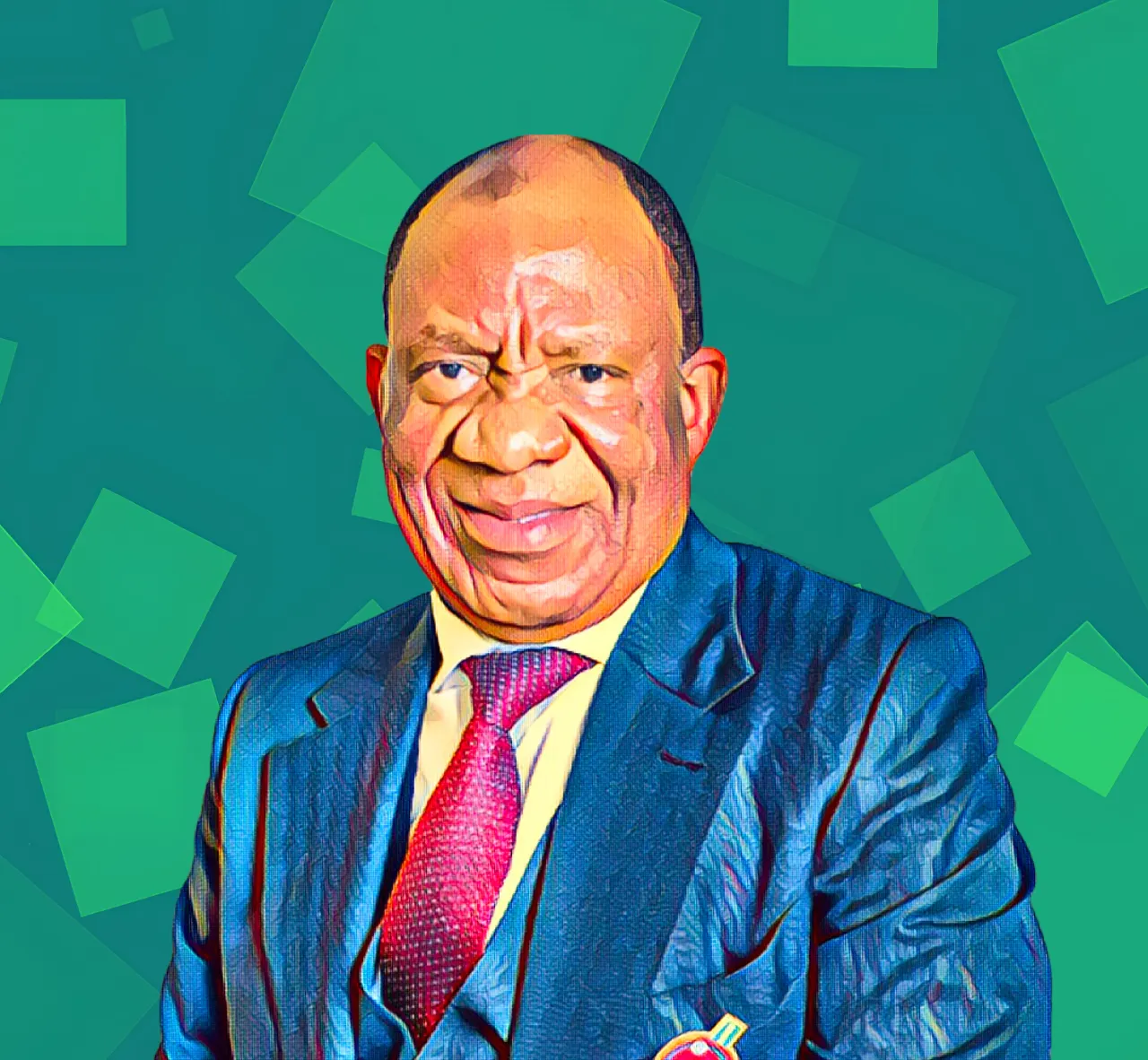
BUA Foods, controlled by Nigerian billionaire Abdulsamad Rabiu, said it will become the largest food manufacturer in Nigeria once its current expansion projects are completed next year, as shareholders approved a record dividend on the back of the company's strongest financial year yet.
Shareholders endorsed a final dividend of N28 per ordinary share, totaling about $363 million (N504 billion), at the company's fifth annual general meeting at the Transcorp Hilton in Abuja on Wednesday. The payout is a 115% increase from the N13 a share paid for 2024. Shareholders also approved the audited accounts for the year ended December 31, the re-election of retiring directors and other statutory resolutions.
Rabiu, who chairs the company and ranks among Africa's richest people, used the meeting to lay out an expansion he framed as a bet on Nigeria's industrial future rather than a pursuit of size. "By next year, when our current projects are completed, BUA will become the largest player in our sector in Nigeria," he said. "We are not pursuing growth simply for the sake of becoming bigger. We are pursuing growth because scale matters in an industry like ours."
The expansion is among the largest in the company's history. It includes a substantial increase in wheat milling capacity, the finalization of its edible oils business, continued investment across its integrated manufacturing operations, and a planned entry into the noodles market. The move into noodles would extend BUA Foods beyond its existing lines in sugar, flour, pasta, rice and edible oils, pushing it into one of the most heavily consumed packaged foods in Africa's most populous country.
The company cast the program as a contribution to national food security. It said the investments are designed to lift local production of staple foods, strengthen supply chains, reduce reliance on imports and support Nigeria's long-term self-sufficiency goals while creating value for shareholders. Rabiu argued that a more competitive market would benefit consumers, investors and the wider economy, and said the country gains when strong indigenous companies can compete at the highest level and challenge established players.
The financial results underpinning the meeting were the company's best to date. BUA Foods reported revenue of N1.77 trillion for 2025, about $1.27 billion, up 16% from the previous year. Profit after tax surged 95% to N518.4 billion, roughly $373 million, from N266 billion, while gross profit rose to N737.26 billion from N540.82 billion. Earnings per share climbed to N28.80 from N14.78, and total assets grew 27% to N1.39 trillion.
The company attributed the performance to sustained demand across its core segments and to improved operational efficiency, optimized cost structures and tighter supply chain management. Sugar and bakery flour remained the largest revenue drivers, together with pasta, as Nigerian consumers continued to buy staple foods despite the strain of high inflation and a weakened naira.
The scale of the dividend reflects how concentrated the company's ownership is. Rabiu holds about 16.17 billion shares, roughly 90% of BUA Foods, through BUA Group, the industrial conglomerate he founded, which means the bulk of the N504 billion payout flows back to him. His gross share of the distribution comes to about $323 million. The dividend is one of the largest declared by any company listed on the Nigerian Exchange, and it follows a year in which BUA Foods was among the most valuable stocks on the market. The company has lifted its payout sharply in a short span, from N5.50 a share for 2023 to N13 for 2024 and now N28 for 2025.
Rabiu built BUA Group over more than three decades into one of Nigeria's largest industrial groups, spanning sugar refining, cement, flour milling and real estate. He started trading in commodities in the 1980s after taking over from his father, the businessman Isyaku Rabiu, and expanded into manufacturing, listing BUA Cement and later BUA Foods on the Nigerian Exchange. The food business has become the jewel of the group, and its rising share price has lifted Rabiu's fortune to among the largest on the continent.
The expansion positions BUA Foods to challenge established competitors in several categories at once. Its push into wheat milling and noodles places it in more direct competition with Flour Mills of Nigeria and Dangote's food interests, while the finalization of its edible oils business deepens its presence in a segment with heavy domestic demand. Rabiu said efficiency, transparency and disciplined management would remain the company's guiding principles as it grew, the same approach, he said, that built the business when it was the smallest major player.
The projects are due to come on stream next year, the point at which Rabiu expects the company to claim the top position in its sector. The results reported for 2025, and the record dividend approved on Wednesday, give shareholders reason to back that ambition, even as the company stakes its next phase on execution across several large investments at once.
The intelligence satisfies curiosity. The paid briefings satisfy strategy.
Every Monday, Elite subscribers receive an Investor Memo breaking down the deal, the structure and the positioning behind the week's most consequential African wealth story — the kind of analysis that doesn't appear anywhere else.
Twice a month, a Wealth Intelligence brief profiles a single billionaire's holdings, cash flows and expansion pipeline in detail no public source matches.
→ Executive ($25/mo): Daily newsletter + Deep-Dive Reports
→ Elite ($75/mo): Everything above + Investor Memos + Wealth Intelligence + Quarterly Analyst Briefings
Subscribe now