

Table of Contents
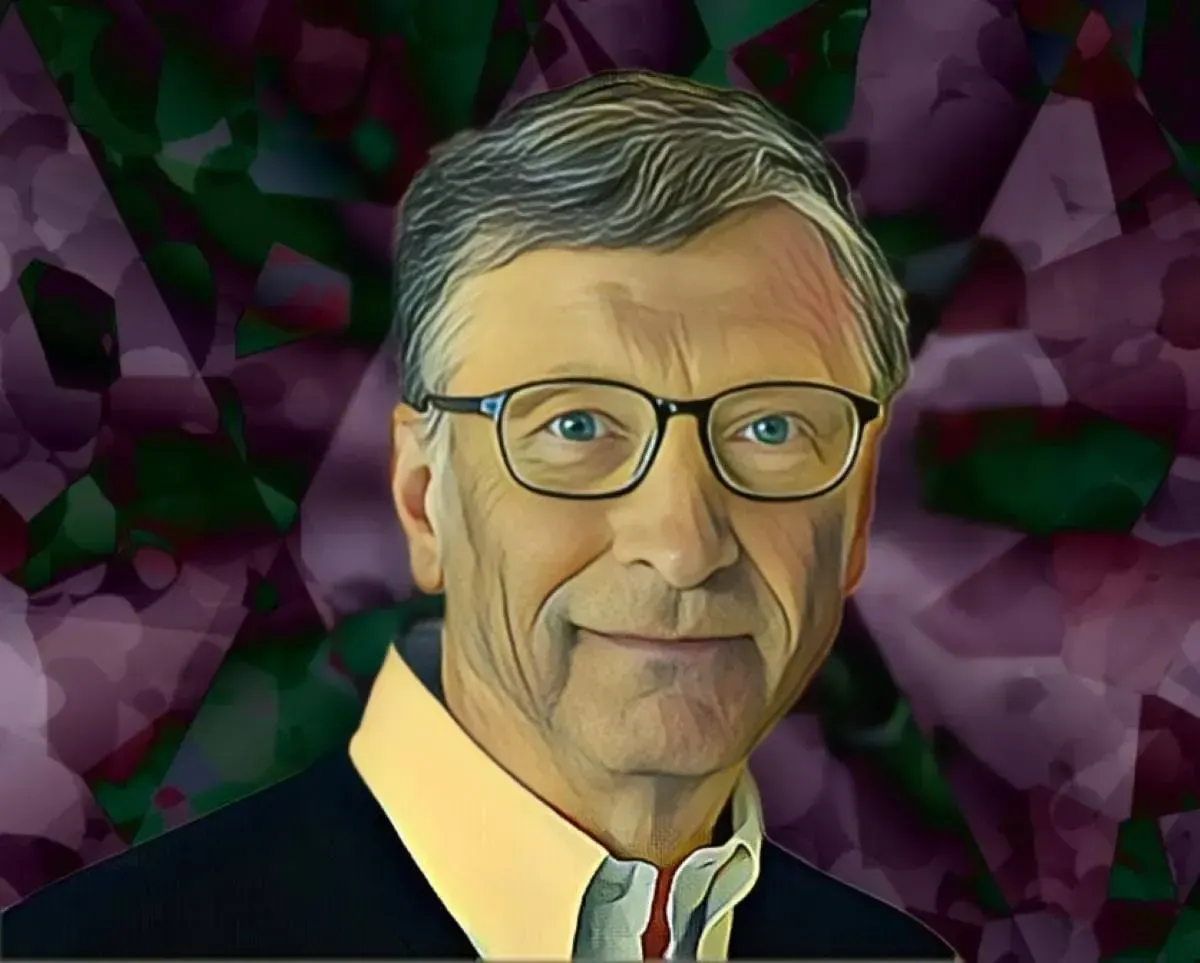
Bill Gates is in Rwanda to review the country's progress in health, artificial intelligence and digital public infrastructure, months after his foundation and OpenAI chose the East African nation as the launch site for an AI-driven healthcare programme.
Gates, who chairs the Gates Foundation, announced the visit in a LinkedIn post on Monday. He praised what he called one of Africa's most remarkable health transformations over the past 25 years, arguing that Rwanda showed what was possible when governments invested in life-saving technology and then worked to place it in the hands of the people who needed it most.
The trip follows a partnership unveiled in January between the Gates Foundation and OpenAI to expand AI-powered healthcare across Africa, with Rwanda selected as the starting point under an initiative called Horizon 1000. The $50 million programme, about 6.4 billion Rwandan francs, aims to deploy AI tools across 1,000 primary healthcare clinics and their surrounding communities by 2028.
A programme built around health workers
The initiative is designed to support healthcare workers rather than replace them. Its tools are meant to strengthen diagnosis, improve the allocation of scarce resources and support clinical decision-making inside health systems that often operate with limited staff and equipment.
Gates pointed to Rwanda's record on child mortality as evidence the approach worked. Deaths among children under five have fallen from 59,000 in 2000 to 16,000, a decline of about 73 percent, which he attributed to the reach of the country's vaccination programme and the quality of its health system. He said Rwanda tracked its own performance, identified weaknesses and acted on them, a discipline he described as central to the results.
Rwanda's digital health build-out
The visit lands on infrastructure Rwanda has already put in place. The country launched a National Health Intelligence Centre AI Lab in April 2025, drawing on data from community health workers, health centres and hospitals to improve patient outcomes, strengthen health financing and guide decisions across the system.
It has also digitised community-level care through a system known as Community EMR, while platforms called E-Ubuzima and E-Fiche allow providers to follow a patient's course from first consultation to discharge. That existing digital backbone is part of what made the country a logical first site for the OpenAI partnership, which requires reliable data pipelines to function.
Part of an accelerated giving plan
The Rwanda programme fits a broader shift in how Gates intends to deploy his fortune. In May 2025 he announced that the Gates Foundation would spend more than $200 billion over the following two decades and close in 2045, doubling its pace of giving and moving up a timeline that had originally envisaged the foundation operating for 20 years after his death.
Gates has said he intends to give away almost all of his wealth. Forbes estimates his net worth at about $108 billion and ranks him 19th on its 2026 billionaires list, a fortune that would stand several times higher had he not donated more than $59 billion in Microsoft stock and cash to the foundation since 2000. He has framed artificial intelligence as a tool capable of extending public health gains in poorer countries, and the Rwanda pilot is among the first concrete tests of that thesis on the continent.
The foundation has not disclosed the full itinerary for the visit or named the facilities Gates plans to tour. Rwanda's government has positioned health technology as a pillar of its development strategy, and President Paul Kagame has pressed Rwandans to move away from dependence on foreign aid toward locally owned systems.
The intelligence satisfies curiosity. The paid briefings satisfy strategy.
Every Monday, Elite subscribers receive an Investor Memo breaking down the deal, the structure and the positioning behind the week's most consequential African wealth story — the kind of analysis that doesn't appear anywhere else.
Twice a month, a Wealth Intelligence brief profiles a single billionaire's holdings, cash flows and expansion pipeline in detail no public source matches.
→ Executive ($25/mo): Daily newsletter + Deep-Dive Reports
→ Elite ($75/mo): Everything above + Investor Memos + Wealth Intelligence + Quarterly Analyst Briefings
Subscribe now