

Table of Contents
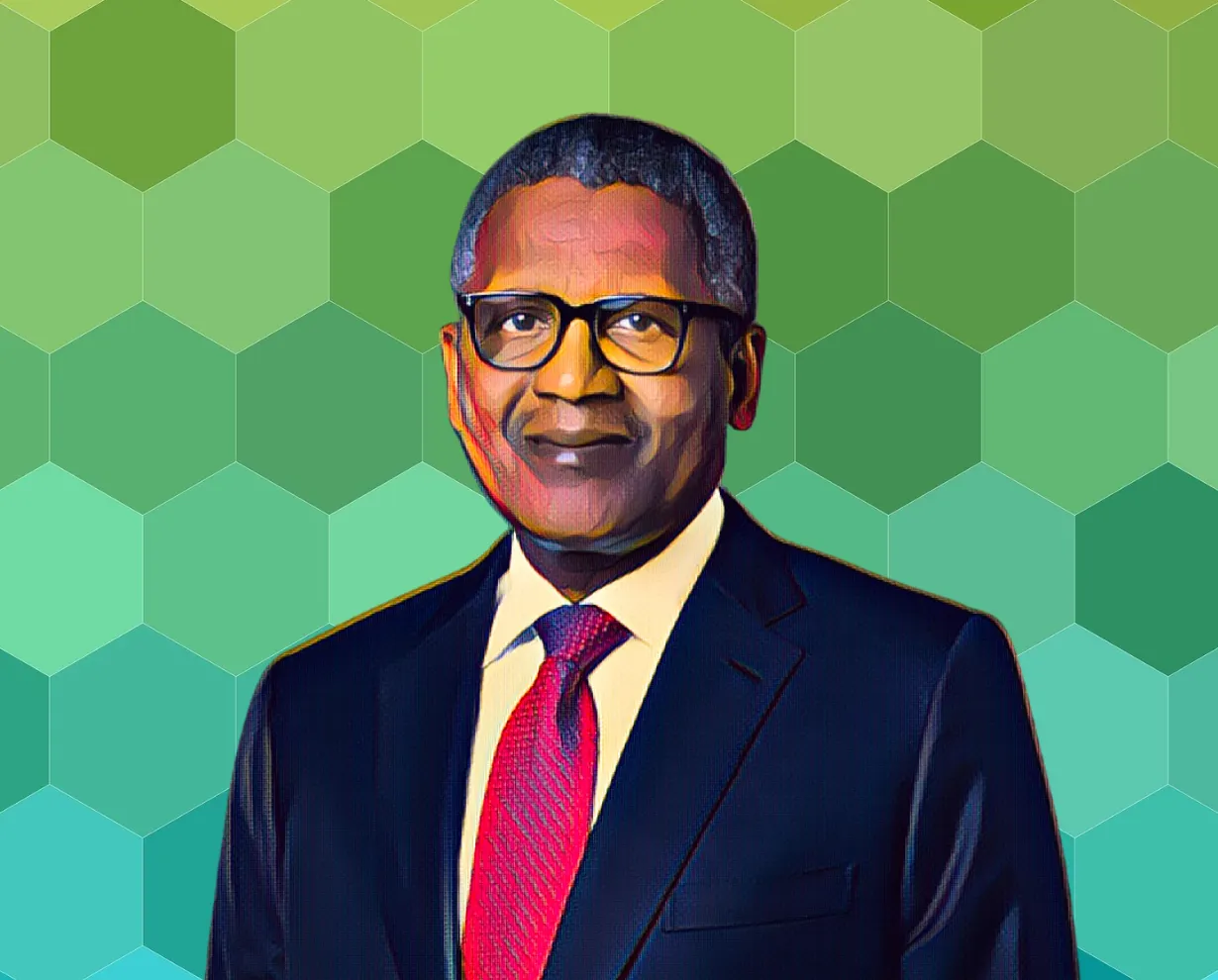
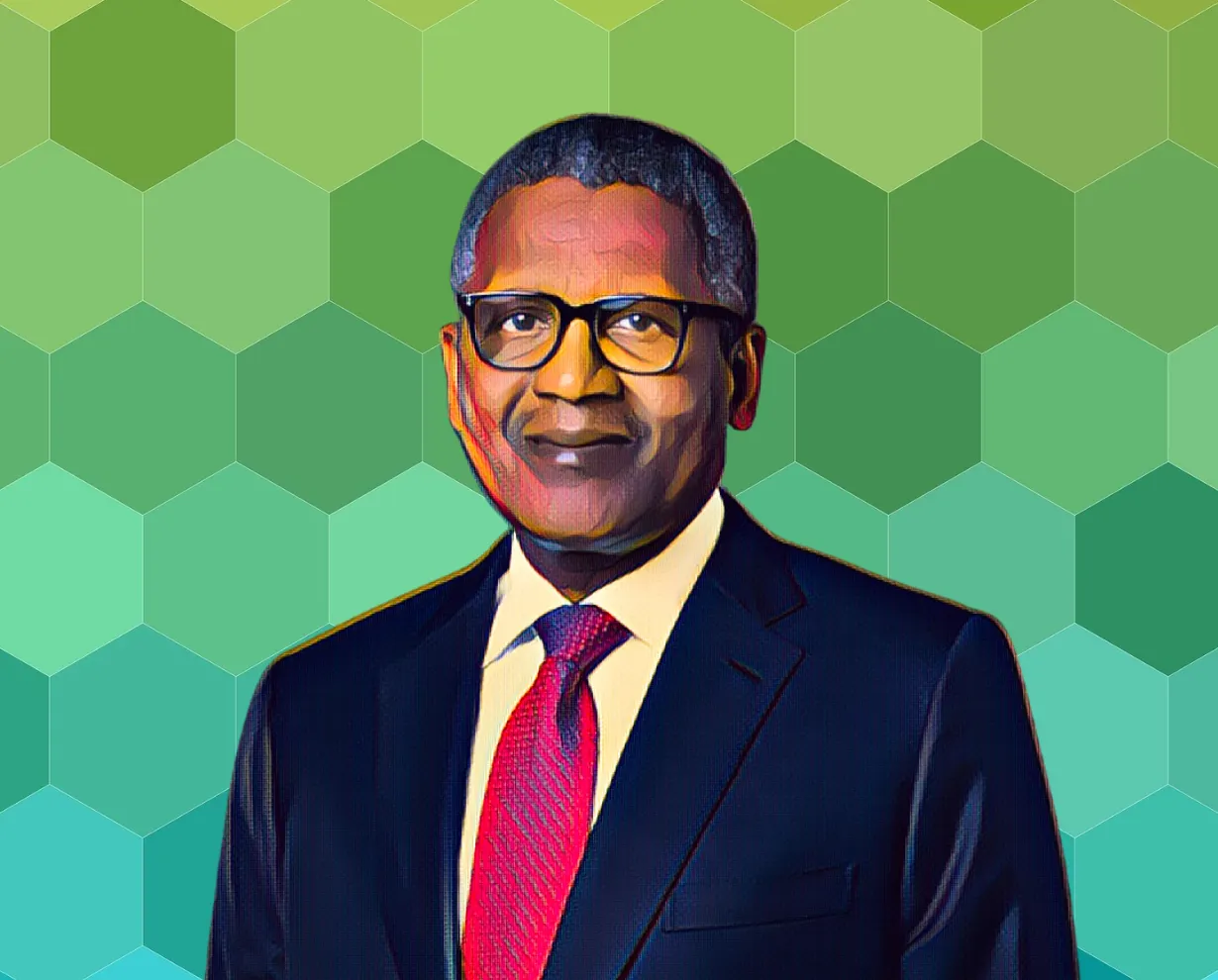
Nigerian billionaire Aliko Dangote said his group is building a fuel distribution network across East, Central and Southern Africa, with pipelines, storage depots and supply routes stretching from Kenya and Ethiopia to Namibia, as part of about $50 billion it plans to invest between 2026 and 2030.
"We are very aggressive with that," Dangote said on Wednesday when asked about the group's plans for depots and pipelines, speaking on stage at a business summit in London.
The network is meant to carry fuel from the group's refineries to countries that rely on imported petroleum products and patchy supply chains. It starts in Kenya, where Dangote confirmed that his group had bought a quarter of the national pipeline network.
"Just let me tell you, yesterday, with the support from the President of Kenya, we bought 25 per cent of the pipeline network for the distribution of petroleum products," he said.
The stake is a block of 4.5 billion shares in state-controlled Kenya Pipeline Co., or 24.76% of the company, which changed hands on the Nairobi Securities Exchange for about 42.5 billion shillings ($327 million). Kenya Pipeline runs the network that carries fuel inland from the port of Mombasa.
From Djibouti to Namibia
Dangote said the group is also building a supply route from the port of Djibouti to Addis Ababa, the Ethiopian capital, with tank farms to store and move fuel. A separate project in Cameroon is close to being finalized.
Namibia is the group's planned gateway to Southern Africa because of its short sea link to the Dangote Petroleum Refinery in Lagos. "From our refinery to Namibia is just about four days of steaming," Dangote said. Fuel shipped to Namibia would then be sold on to markets including Botswana and South Africa. He said the group is also planning a corridor through Zimbabwe and Zambia.
The Lagos plant, which can process 650,000 barrels of crude a day, is the largest single-train refinery in the world. Dangote is selling shares in it to the public in an initial public offering that closes on Oct. 27.
The group is also preparing to build a second refinery, in Lamu on Kenya's northern coast, designed to process about 700,000 barrels a day. Kenyan President William Ruto and Dangote broke ground on the project on Sept. 30.
Dangote said East Africa was chosen because of its large industrial and mining activity, its growing need for energy and its persistent shortages of diesel and other fuels. The Lamu plant will buy crude from several markets rather than relying only on oil from Uganda or Kenya. The site was picked after technical studies of several locations, with deep water, marine facilities and enough fresh water as the deciding factors.
He said the group made the investment decision within four months and that commercial rivals had tried to block the project through legal action shortly before it was announced. He did not name them.
A call to protect African industry
Dangote also urged African governments to shield local manufacturers from unfair foreign competition. Allowing imports to displace local production, he said, amounts to "exporting our jobs out of the continent, importing poverty into the continent."
He pointed to the United States and the global car industry as examples of major economies protecting their own producers. "If America is now saying, no, we are going to protect our industries, who are we in Africa not to protect our own industries?" he said. He also backed free trade within Africa.
The $50 billion investment program is meant to show that African companies can deliver large industrial projects and to draw other African investors in. "The legacy we are trying to set up is how do we industrialise our continent?" Dangote said.
He named unreliable electricity as one of the biggest obstacles to industrialization, especially in mining and mineral processing, where a lack of power stops countries from refining their resources before export. About 650 million Africans have no access to electricity, he said.
Dangote, Africa's richest person, built his fortune in cement, sugar and flour before moving into fertilizer and oil refining. Earlier this month, he said his group would replace its target of reaching $100 billion in size by 2030 with a larger goal, to be unveiled in January.
"The journey has started," he said. "But now we're awake, and we will make it happen."
The intelligence satisfies curiosity. The paid briefings satisfy strategy.
Every Monday, Elite subscribers receive an Investor Memo breaking down the deal, the structure and the positioning behind the week's most consequential African wealth story — the kind of analysis that doesn't appear anywhere else.
Twice a month, a Wealth Intelligence brief profiles a single billionaire's holdings, cash flows and expansion pipeline in detail no public source matches.
→ Executive ($25/mo): Daily newsletter + Deep-Dive Reports
→ Elite ($75/mo): Everything above + Investor Memos + Wealth Intelligence + Quarterly Analyst Briefings
Subscribe now