

Table of Contents
African Rainbow Minerals will spend about $912 million (15.2 billion rand) over seven years redeveloping the Bokoni platinum mine it closed less than a year ago, breaking with an industry that has stayed cautious even as platinum trades at 20-year highs.
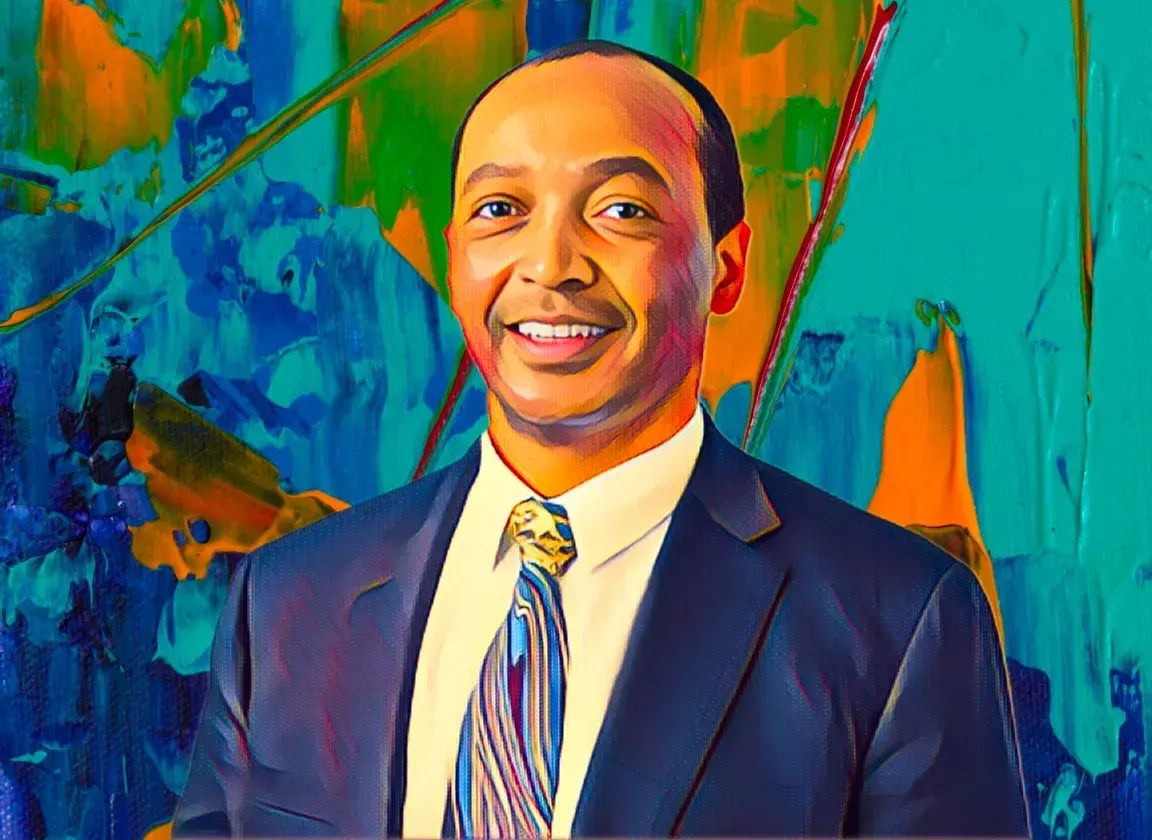
The board chaired by South African billionaire Patrice Motsepe approved the expansion on Thursday. It also cleared $45 million (753 million rand) to restart the Nkomati nickel mine, taking the combined commitment close to $960 million (16 billion rand) on two assets the group had written down or mothballed.
Bokoni, on the eastern limb of the Bushveld Complex in Limpopo, was shut in September last year when platinum group metal prices collapsed. ARM took a 2.2 billion rand impairment on the mine in its last financial year, and Bokoni alone lost about 1.4 billion rand over the period.
A wager on supply, not demand
The investment rests on a view that the world is running out of platinum rather than out of buyers for it.
"Sustained underinvestment, accelerating shaft depletion in South Africa and structural decline across other producing regions are collectively expected to progressively reduce primary supply," ARM said. "These dynamics are expected to move the platinum market into deficit, providing support for the PGM basket price and incentivising new production."
More than 70 percent of global PGM supply comes from South Africa, where the metal is used mainly in catalytic converters for internal combustion engines. Ageing shaft infrastructure, rising power and labour costs, water shortages and price volatility have discouraged investment in new mines for years. Global mined platinum supply fell for a third consecutive year in 2025, according to the World Platinum Investment Council.
ARM does not expect the growth of battery electric vehicles, which use no platinum, to damage overall demand over the long term, on the argument that the supply decline will outpace any substitution.
Two concentrators and a phased ramp-up
The Bokoni redevelopment centres on the mine's UG2 orebody, developed in phases using both mechanised and traditional stoping methods.
The existing concentrator is scheduled to begin processing 60,000 tonnes of ore a month in 2028. A new 120,000-tonne-per-month plant will follow by 2030. By 2032 the project is expected to add 350,000 to 400,000 tonnes to the group's annual 6E PGM output.
ARM said the work will be funded from group resources and cash generated at Bokoni over the coming years, with external debt where required.
Restarting the country's only nickel mine
The Nkomati decision carries a different weight. The mine is South Africa's only primary nickel producer and has sat on care and maintenance since 2021. Mining is expected to resume in October.
ARM described the restart as a low-risk and immediately actionable development opportunity that leverages existing mining and processing infrastructure, language that signals a fast return on a modest outlay rather than a long-dated build.
The group has taken full ownership of the mine by acquiring the remaining 50 percent from the local unit of Norilsk Nickel, with the Russian producer contributing about $19.5 million (325 million rand) toward liabilities and rehabilitation. ARM has signed a conditional offtake agreement with Sweden's Boliden, whose Finnish smelter is the only large-scale nickel smelter in Europe, connecting South African concentrate to European battery and stainless steel supply chains at a point when industrial buyers there are working to reduce their reliance on Russian metal.
Completing the exit from coal
Both decisions advance a repositioning ARM set out to investors last year, when it told shareholders in its annual report that it would stop investing in new coal mines and shift toward critical minerals.
The Bokoni and Nkomati approvals convert that statement into capital commitments. They also place ARM ahead of peers who have hesitated. Platinum prices reached their highest level in two decades this year without producing a wave of new project approvals across the sector, as miners weighed strong prices against the operational and cost pressures that have made South African shafts difficult to run profitably.
From a 90 percent profit collapse to a doubling
The approvals close a punishing cycle. ARM's profit fell 90 percent to 330 million rand in the year to June 2025, from 3.15 billion rand, hit by weaker iron ore prices and the Bokoni writedown.
The recovery has been fast. Revenue for the six months to December 31 rose 31 percent to 8.4 billion rand, about $504 million, with operating profit of 1.9 billion rand against a 409 million rand operating loss a year earlier. ARM had signalled in March that it was weighing whether to revive the projects it shelved.
The group is valued at roughly $2.76 billion (46 billion rand) on the Johannesburg Stock Exchange and holds interests across PGMs, iron ore, manganese, chrome, coal, copper and gold, including a 50 percent stake in Assmang and joint ventures with Anglo American Platinum and Glencore.
Motsepe built the company from marginal gold shafts bought from AngloGold in 1997, when gold prices were depressed and few others were interested. He listed ARMGold on the Johannesburg exchange in 2002 and merged it with Harmony Gold and Anglovaal a year later to create African Rainbow Minerals. Forbes estimates his fortune at $3.5 billion, ranking him eighth among Africa's wealthiest people.
He told reporters in Johannesburg on Wednesday that he has no intention of entering politics, ruling out speculation about a run for the South African presidency.
The intelligence satisfies curiosity. The paid briefings satisfy strategy.
Every Monday, Elite subscribers receive an Investor Memo breaking down the deal, the structure and the positioning behind the week's most consequential African wealth story - the kind of analysis that doesn't appear anywhere else.
Twice a month, a Wealth Intelligence brief profiles a single billionaire's holdings, cash flows and expansion pipeline in detail no public source matches.
→ Executive ($25/mo): Daily newsletter + Deep-Dive Reports
→ Elite ($75/mo): Everything above + Investor Memos + Wealth Intelligence + Quarterly Analyst Briefings
Subscribe now