

Table of Contents
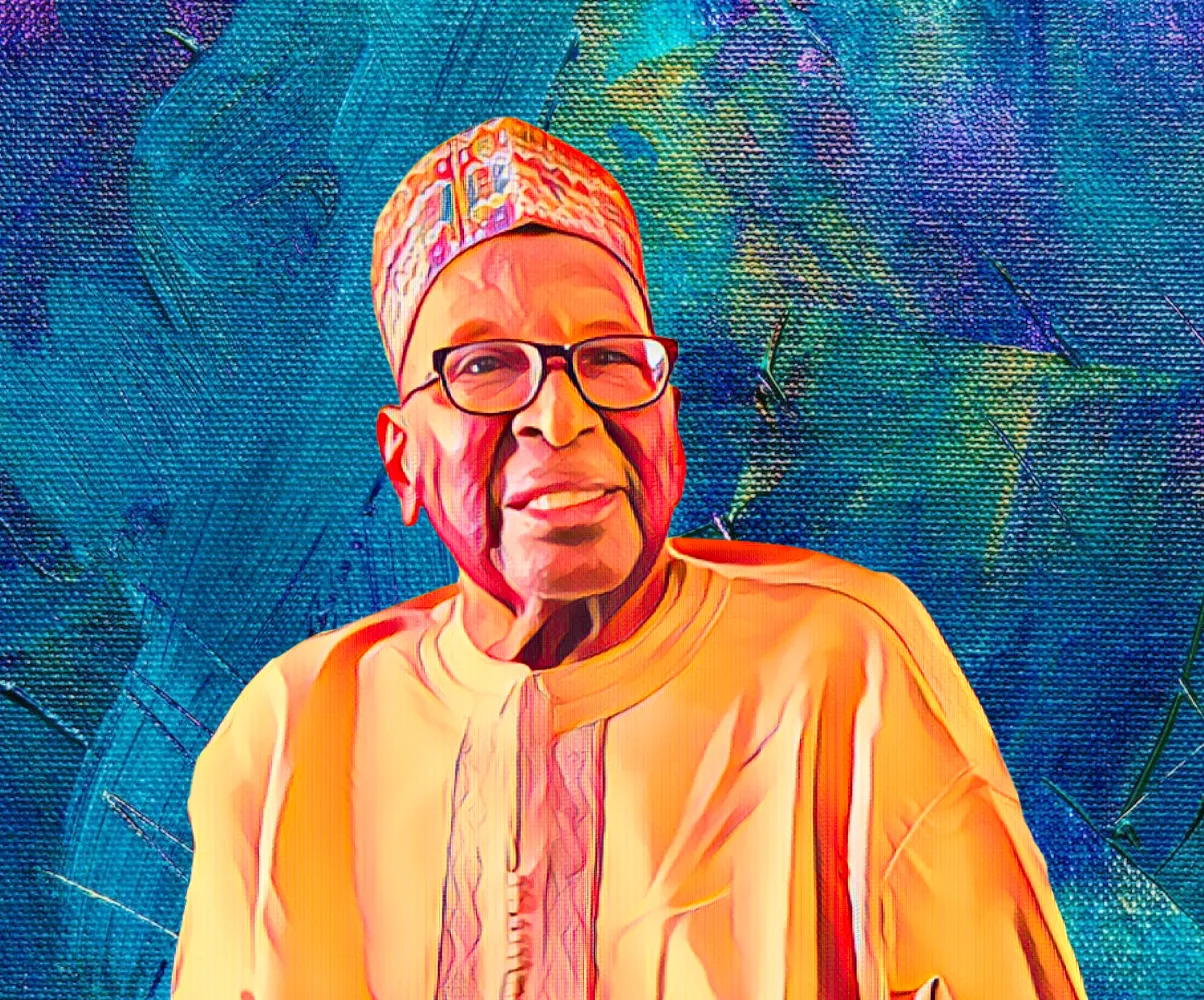
BUA Cement, the Nigerian producer controlled by billionaire Abdul Samad Rabiu, lifted first-half profit by almost 80 percent to $237.1 million (₦324.88 billion), helped by a bulk cement business that barely existed a year ago and by production costs that rose at a fraction of the pace of sales.
The unaudited accounts for the six months to June 30, released Thursday, put revenue at $532.1 million (₦728.93 billion), up 25.6 percent from $423.6 million (₦580.30 billion). Pre-tax profit climbed 79 percent to $280.6 million (₦384.44 billion) from $156.8 million (₦214.80 billion). Earnings per share reached 959.35 kobo against 534.18 kobo.
Investors bid the stock up 4.84 percent in the session after publication. Shares closed at ₦325, taking the year-to-date gain to 82 percent and valuing the company at about $8.03 billion (₦11.0 trillion), placing it among the largest listings on the Nigerian Exchange.
Costs held flat while sales climbed
The widening gap between revenue and production costs did most of the work. Cost of sales rose just 2.7 percent to $220.4 million (₦301.89 billion) while turnover grew by more than a quarter, pushing gross profit up almost 49 percent to $311.7 million (₦427.03 billion). The operating ratio improved to 49.1 percent from 57.9 percent, and direct cost per tonne fell 4.4 percent year on year and a further 0.6 percent between the first and second quarters.
Segment data shows where the growth came from. Bulk cement generated $29.3 million (₦40.15 billion) in the half, against $172,000 (₦236 million) in the same period of 2025. Bagged cement remained the larger business at $502.8 million (₦688.77 billion). Management has described bulk distribution as central to its margin strategy.
Currency stability replaces a two-year drag
Foreign exchange moved from headwind to tailwind. BUA Cement booked a net currency gain of $12.1 million (₦16.57 billion), compared with $571,000 (₦782.8 million) a year earlier and a net loss of ₦9.70 billion across the whole of 2025.
Finance costs eased in step. Net finance charges fell to $2.5 million (₦3.41 billion) from $22.9 million (₦31.37 billion), while finance income climbed to $13.7 million (₦18.73 billion) on higher cash balances. The naira traded at about ₦1,369.92 to the dollar on the official market on Friday, a level that has held broadly steady this year after two years of sharp adjustment.
A softer second quarter beneath the headline
The half-year figures mask a weaker three months. BUA Cement reported first-quarter profit after tax of ₦176.4 billion, a 117 percent increase. That implies second-quarter profit of roughly $108.4 million (₦148.5 billion), about 16 percent below the first quarter, even though implied second-quarter revenue of around $273 million (₦373.9 billion) exceeded the ₦355 billion recorded in the opening three months.
Managing director and chief executive Yusuf Binji acknowledged difficulties without specifying them. "We have delivered a strong quarter despite the constraints encountered," he said in a statement accompanying the results. He added that process optimisation should lift productivity in the quarters ahead.
Rabiu's holding
Rabiu directly owns 18.974 billion of BUA Cement's 33.864 billion shares, or 56.03 percent, a stake worth about $4.50 billion (₦6.17 trillion) at Friday's close. Adding roughly 39.8 percent held through BUA Industries and 1.9 percent through Damnaz Cement Company, his combined control comes to about 97.7 percent, leaving close to 2.3 percent of the register in public hands.
That concentration has drawn scrutiny. Analysts have argued the thin free float amplifies price movements on modest trading volumes, a criticism that has followed the stock through its run this year.
Forbes' real-time list valued Rabiu at $13 billion on Wednesday, up 5.69 percent on the day and ranking him 241st in the world. He founded BUA Group in 1988 trading iron, steel and chemicals, and created BUA Cement in January 2020 by folding his privately held Obu Cement into the listed Cement Company of Northern Nigeria. He also controls roughly 95 percent of BUA Foods, the group's food and sugar arm.
Shareholders approved a final dividend of ₦10 a share for 2025 in June. The payout delivered about $138.5 million (₦189.74 billion) to Rabiu's direct holding and a further $98.3 million (₦134.6 billion) to BUA Industries, underlining how tightly cash generation in Nigeria's cement industry sits within a handful of hands.
The intelligence satisfies curiosity. The paid briefings satisfy strategy.
Every Monday, Elite subscribers receive an Investor Memo breaking down the deal, the structure and the positioning behind the week's most consequential African wealth story - the kind of analysis that doesn't appear anywhere else.
Twice a month, a Wealth Intelligence brief profiles a single billionaire's holdings, cash flows and expansion pipeline in detail no public source matches.
→ Executive ($25/mo): Daily newsletter + Deep-Dive Reports
→ Elite ($75/mo): Everything above + Investor Memos + Wealth Intelligence + Quarterly Analyst Briefings
Subscribe now