

Table of Contents
Aspen Pharmacare Holdings has secured royalty-free rights from Merck & Co. to manufacture and sell an experimental once-monthly HIV prevention pill across 129 low- and lower-middle-income countries, placing Africa's largest drugmaker in line to supply a medicine that has not yet cleared late-stage trials.
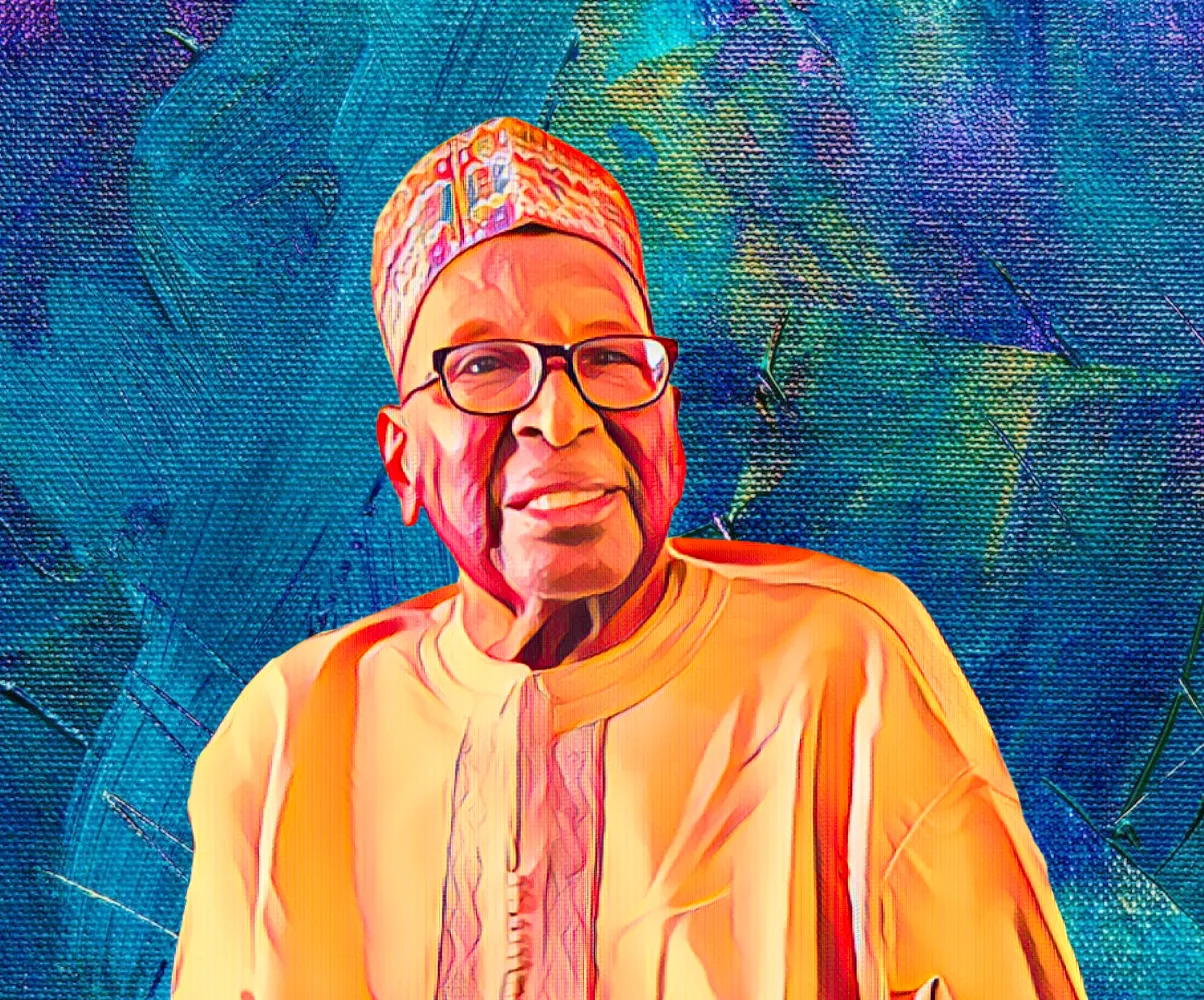
The Durban-based company, co-founded in 1997 by Stephen Saad and Gus Attridge, said Friday it had signed a voluntary licensing agreement with MSD, the name Merck trades under outside the United States and Canada. The licence covers MK-8527, or alimatravir, and gives Aspen the right to develop, manufacture and commercialise the drug across the licensed territories, which include every African country. It applies to both public and private health sectors.
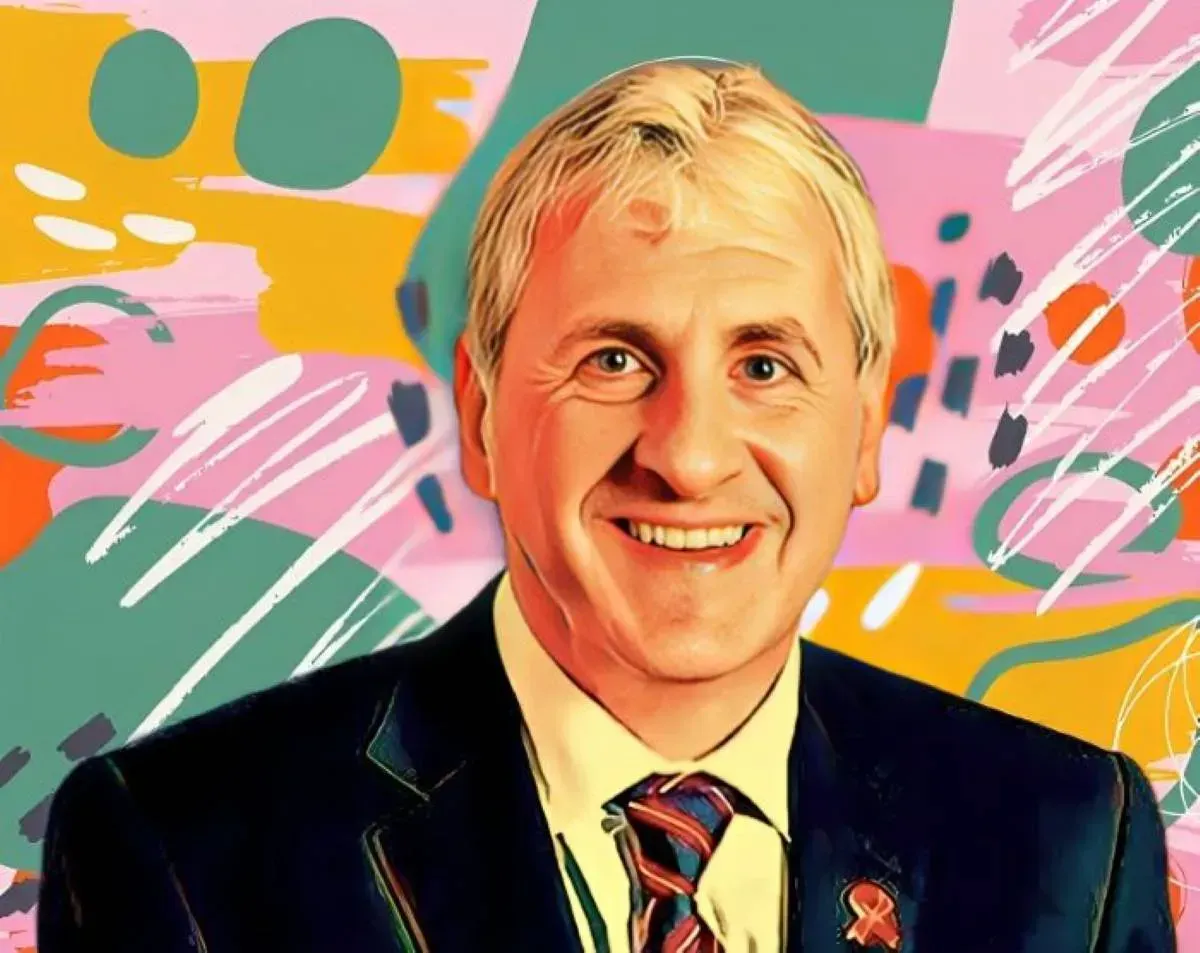
Aspen is one of seven generic manufacturers Merck has brought in. Three sit in sub-Saharan Africa: Aspen, Uganda's Quality Chemical Industries and Kenya's UCL. Four are Indian: Aurobindo, Cipla, Emcure and Viatris. Gregg Szabo, who heads Merck's global vaccines and infectious diseases unit, said it was the first time sub-Saharan African manufacturers had been written into the licences from the beginning.
Licences signed before the trial data
Alimatravir remains in Phase III testing. Merck is running two studies. EXPrESSIVE-10, backed by the Gates Foundation, is assessing safety and efficacy in women and adolescent girls in sub-Saharan Africa. EXPrESSIVE-11 is enrolling participants judged likely to be exposed to HIV across 16 countries. South Africa hosts the largest share of the programme.
Paul Schaper, Merck's head of global pharmaceutical public policy, said results are unlikely before the second half of 2027, and that licensing early gives the generic partners room to build production capacity in the meantime. Merck is investing in manufacturing while the trials run.
Early research indicates the drug starts working within an hour of dosing and holds protective concentrations for roughly a month. Approval would make it the first once-monthly oral option for pre-exposure prophylaxis, a category currently split between a daily tablet and Gilead Sciences' twice-yearly injection.
Aspen will receive a technical transfer package from MSD. Saad said the agreement allows the group to support future supply of the medicine while strengthening manufacturing capability on the continent.
South Africa's burden
About 8 million South Africans are living with HIV, the largest national epidemic in the world. UNAIDS estimates that around 1,000 adolescent girls and young women in the country acquire the virus every week. Prevalence among adults aged 15 to 49 is roughly 18 percent.
Health Minister Aaron Motsoaledi said a monthly tablet could improve adherence over daily dosing, particularly among younger women, and argued that local production would keep South Africa out of the back of the global supply queue. Trade, Industry and Competition Minister Parks Tau said the arrangement advanced the country's industrial capacity alongside a public health objective.
The licence arrives seven weeks after South Africa began distributing lenacapavir, Gilead's six-monthly injectable. President Cyril Ramaphosa launched the rollout on June 5 in Secunda, Mpumalanga, with phased distribution starting June 8 across 360 facilities in high-burden districts. Generic lenacapavir is expected in 2027 at about $40 per person a year.
Two decades in antiretrovirals
Aspen has walked this route before. Saad negotiated the first voluntary licences to produce generic antiretrovirals in South Africa in 2001, ending a standoff between the government and multinational patent holders. In August 2003 the company launched Aspen Stavudine, the first generic ARV developed and manufactured in Africa, under licences from Bristol Myers Squibb, GlaxoSmithKline and Boehringer Ingelheim.
That production ran out of Aspen's oral solid dose plant in Gqeberha, then Port Elizabeth, which later became the first facility anywhere to win tentative US Food and Drug Administration approval for certain generic ARVs.
Jean Kaseya, director general of the Africa Centres for Disease Control and Prevention, said the continent had long hosted clinical research while the manufacturing value went elsewhere, and that the licence points to a different arrangement.
Shares and shareholding
Aspen traded at R146.01 on the Johannesburg Stock Exchange on Friday, down 2.36 percent from the previous session, valuing the group at R64.71 billion, or about $3.85 billion. Saad holds 13.02 percent of the company, 58,075,716 ordinary shares, worth roughly R8.48 billion, or $503 million, at that level. He remains the largest individual shareholder.
The agreement caps a heavy few months. Aspen completed the R27 billion, or $1.65 billion, sale of its Asia Pacific business to Australian private equity firm BGH Capital in late May, directing the proceeds largely at debt reduction. Weeks before that, it disclosed advanced talks with the Africa CDC on a multi-year vaccine supply framework that has yet to be signed.
Aspen said regulatory submissions would follow if the Phase III readout is favourable, with the aim of reaching patients across the licensed territories as quickly as approvals allow.
The intelligence satisfies curiosity. The paid briefings satisfy strategy.
Every Monday, Elite subscribers receive an Investor Memo breaking down the deal, the structure and the positioning behind the week's most consequential African wealth story - the kind of analysis that doesn't appear anywhere else.
Twice a month, a Wealth Intelligence brief profiles a single billionaire's holdings, cash flows and expansion pipeline in detail no public source matches.
→ Executive ($25/mo): Daily newsletter + Deep-Dive Reports
→ Elite ($75/mo): Everything above + Investor Memos + Wealth Intelligence + Quarterly Analyst Briefings
Subscribe now