


Table of Contents
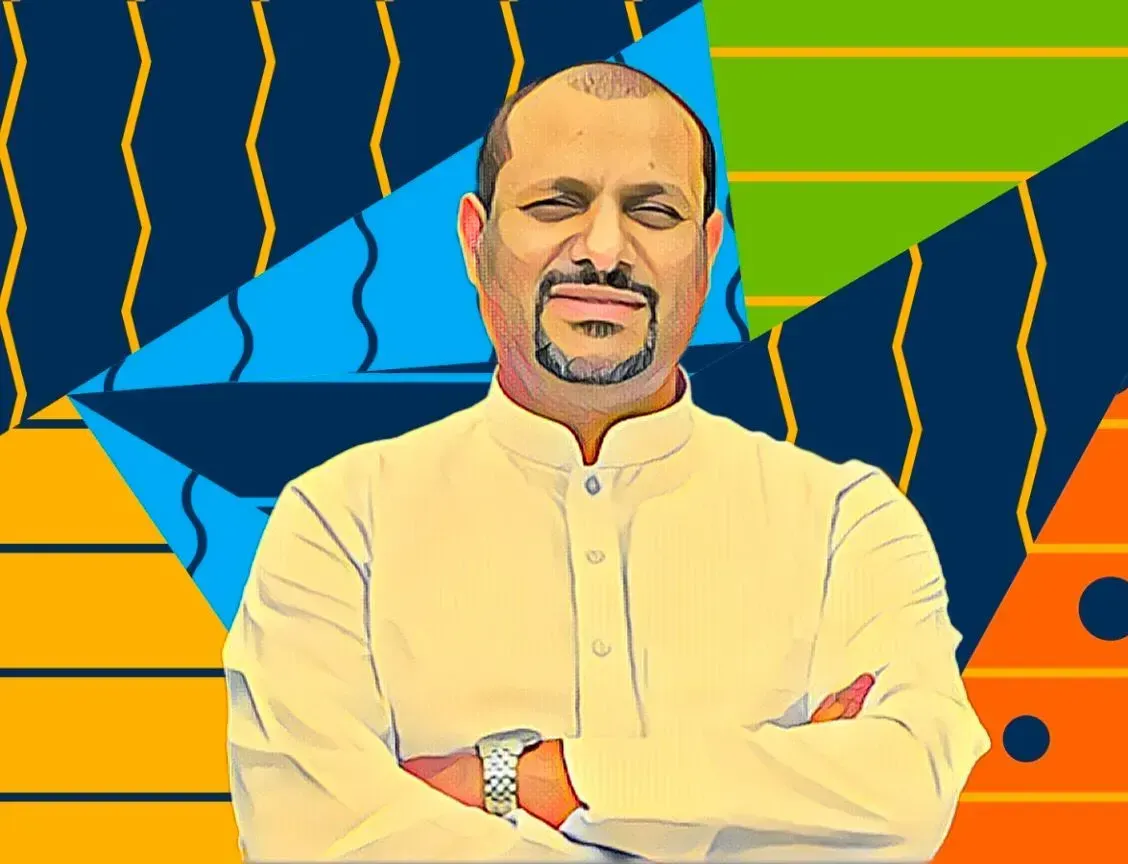
Two brothers whose parents opened a single petrol station in northern Tanzania in 1978 have agreed to buy Vivo Energy's fuel businesses in Rwanda and Malawi, their third acquisition from the Vitol-owned marketer in three months.
Mount Meru Group, controlled by Atul and Arvind Mittal, signed a sale and purchase agreement covering Vivo Energy's shareholdings in Vivo Energy Rwanda and Vivo Energy Malawi. Neither side disclosed a price.
Mount Meru already trades in both countries, having entered Rwanda in 2007 and Malawi in 2013. The purchase consolidates a position rather than creating one.
"We are proud to be growing our existing, long-standing presence in Rwanda and Malawi," said Atul Mittal, a director of the group. He said Mount Meru intends to invest in the businesses and strengthen relationships with dealers, channel partners and staff once the transaction completes.
Stan Mittelman, chief executive of Vivo Energy, said the sale did not reflect how the two businesses had performed. He described it as part of a review to ensure each part of the portfolio sits with the owner best placed to develop it.
One petrol station in Arusha
Mount Meru began in 1978, when Tarsem Chand Mittal and his wife Kanta Devi opened a filling station in Arusha, the town at the foot of Mount Meru that gave the group its name.
Petroleum came first and remains the largest business. Edible oils followed in 1993 with a seed crushing unit, also in Arusha, trading as Mount Meru Millers. Storage capacity came in 2004 with Acer Petroleum. By 2013 the group had spread across East Africa into petroleum, cooking oil, logistics and trading.
Tarsem Chand ran it for more than 25 years. He handed control to his two sons when the business covered 10 countries and employed over 5,000 people.
Atul Mittal was born in Tanzania and trained as an engineer at the University of Manchester. He joined the business in 2000 and holds responsibility for group strategy and for opening new territories, having built out the energy division across importing, storage, trading and transport of motor fuel and liquefied petroleum gas.
Arvind Mittal is the group's managing director. He was born in India, grew up in Tanzania and studied at Sheffield. He spent two decades running the Africa-wide growth strategy that took the milling business from a single plant to operations in 12 countries. He is married with three sons and is based in Dubai, where the group is now headquartered.
The company describes itself as operating across 17 African countries including Tanzania, Zambia, Malawi, Uganda, Rwanda, Ivory Coast, Botswana, Mozambique, Kenya, Zimbabwe and Congo, spanning downstream petroleum, edible oil manufacturing, LPG, lubricants, real estate and logistics. It is privately held and publishes no consolidated accounts, so its scale can be measured by geography rather than turnover.
A pattern, not a one-off
The Rwanda and Malawi deal follows a larger one in April.
Vivo Energy agreed then to sell its 70% shareholding in Engen Botswana Limited to Fusion Spark Proprietary Limited, a consortium pairing Mount Meru with the Botswanan businessman Ramachandran Ottapathu. That sale followed a competitive process and formed part of the regulatory conditions attached to Vivo's earlier Engen purchase.
Three businesses have now passed from Vivo to the Mittals inside a single quarter. That suggests a group working through a disposal list with a preferred buyer rather than fielding unsolicited approaches.
Who is selling
Vivo Energy was founded in 2011 by Vitol and the private equity firm Helios Investment Partners, which bought Shell's African downstream assets between them. It holds the Shell licence across much of the continent and added the Engen brand in May 2024, acquiring a 74% stake in Engen Limited from Malaysia's PETRONAS in a transaction Fitch Ratings valued at about $1.4 billion.
The group now runs roughly 3,900 service stations across 28 African countries and sells around 20 billion litres of fuel a year. Vitol took full ownership in 2022, delisting the company from the London Stock Exchange in July that year after a spell as a FTSE 250 and JSE All Share constituent.
Mittelman, a Frenchman who previously ran TotalEnergies' African marketing business, has led Vivo since March 2022.
The Rwanda and Malawi transaction requires regulatory approval in both countries and the satisfaction of other conditions. Vivo expects the process to run for some months, with both businesses operating unchanged until it completes.
The intelligence satisfies curiosity. The paid briefings satisfy strategy.
Every Monday, Elite subscribers receive an Investor Memo breaking down the deal, the structure and the positioning behind the week's most consequential African wealth story - the kind of analysis that doesn't appear anywhere else.
Twice a month, a Wealth Intelligence brief profiles a single billionaire's holdings, cash flows and expansion pipeline in detail no public source matches.
→ Executive ($25/mo): Daily newsletter + Deep-Dive Reports
→ Elite ($75/mo): Everything above + Investor Memos + Wealth Intelligence + Quarterly Analyst Briefings
Subscribe now