


Table of Contents
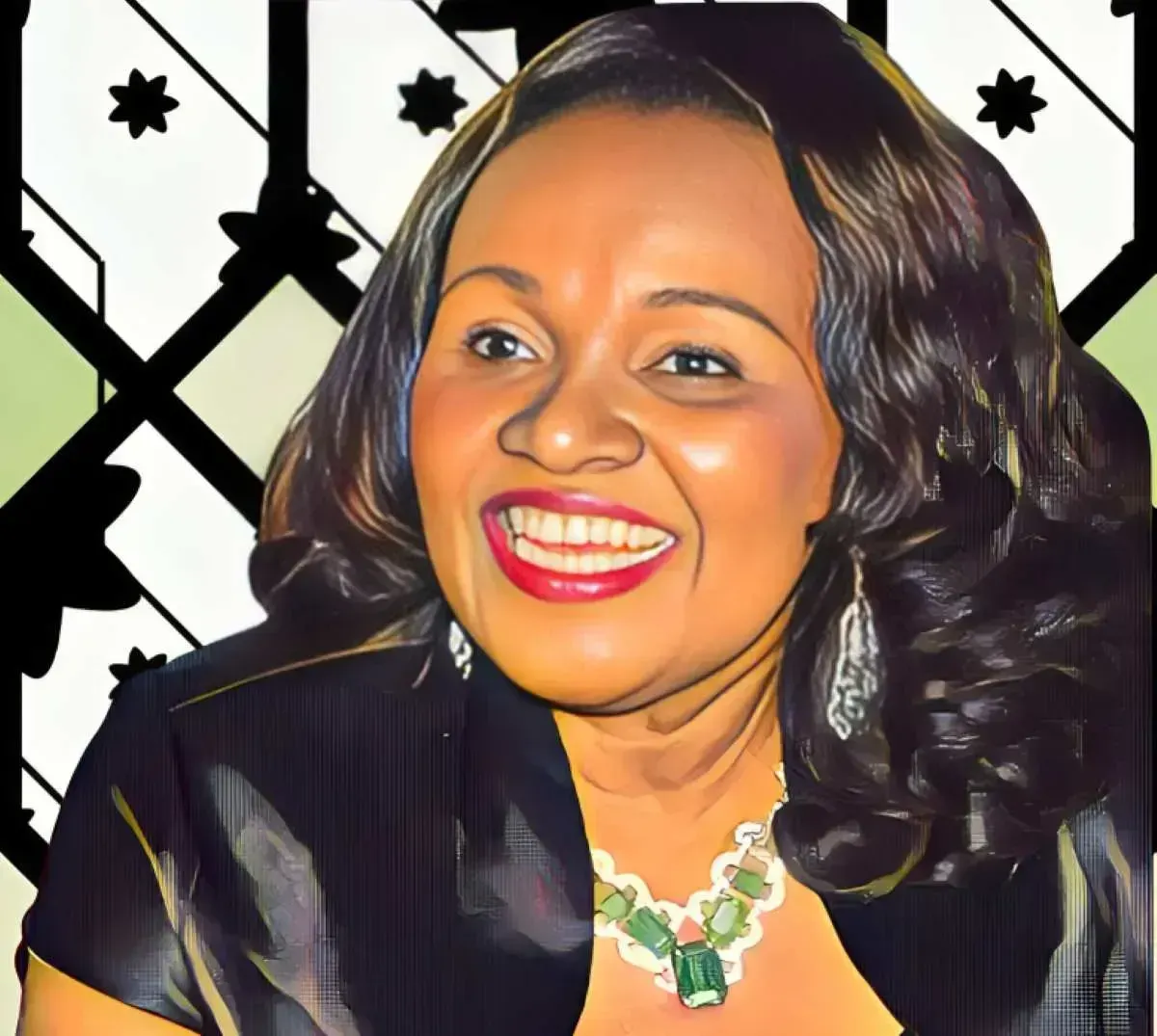
Catherine Uju Ifejika is chairman and chief executive of Brittania-U Nigeria, an indigenous oil company that owns and operates its own producing field, and she says more than $400 million has gone into it since the company bought it from Chevron.
She told Punch that the money paid for additional wells and a floating production, storage and offloading vessel at Ajapa. According to her account, that brought the field into production at about 2,300 barrels a day in 2010, with higher and steadier output since. Brittania-U is privately held and publishes no accounts, so the figure rests on her statement.
Her argument is that mature assets deserve more capital rather than less, and Nigeria's regulator is now making the same case at national scale.
The Nigerian Upstream Petroleum Regulatory Commission wants national production back at 2.5 million barrels a day, a level the country last reached in November 2005. Output including condensate has not passed 1.7 million since. Its plan involves reviving dormant fields, unlocking deepwater resources and attracting foreign capital, and industry experts quoted by Punch say exploration alone will not deliver it, because Nigeria already holds substantial proven reserves and the harder problem is converting them into production.
Ajapa came to Ifejika through the marginal field programme, which opened discoveries the international companies considered too small or difficult to develop to indigenous operators. Its reserves have been valued at about $4.3 billion. Brittania-U owns and operates the field itself, which distinguishes it from Famfa Oil, where Folorunsho Alakija holds a stake in the Chevron-operated Agbami field.
Ifejika came to oil through law rather than engineering.
Born in Opobo, Rivers State, on Oct. 28, 1959, she studied law at Ahmadu Bello University and spent her early career inside Texaco and then Chevron, learning the contracts and regulations from the side that writes them. Brittania-U was incorporated in December 1995 and became active in 2003, starting as an oil trading business buying and selling crude and petroleum products. She joined as chief executive in 2007 and moved the company into exploration and production.
She has built other businesses around it. Data Appraisal Company came in 2001, Nexttee Oil and Gas Trading in 2009, and Brittania-U Ghana in 2010, extending the group into a second West African market. She won the African Businesswoman Award in 2013 and was named among 100 outstanding female executives in African oil and gas in 2021. She is married to Emmanuel Ifejika and has six children.
Nigerian output has been recovering. Production rose from 1.48 million barrels a day in February to 1.735 million in June, according to the commission, helped by global supply disruption from the war in Iran. The investment picture is weaker, with annual spending in Nigerian oil and gas down to about $2 billion from $26 billion in 2014.
The rest of the national push dwarfs what Ifejika has spent. The commission says new offshore incentives could attract $50 billion. NNPC and its partners have signed agreements moving the Bonga Southwest and Aparo deepwater project toward a final investment decision, a development estimated to draw up to $21 billion and produce about 175,000 barrels a day at peak. President Bola Tinubu approved a tax remission order for deep offshore projects this year. Thirty-one companies won 37 blocks in the 2025 licensing round and have been warned to pay signature bonuses of $3 million to $7 million per block or forfeit them.
Security underpins all of it. Tantita Security Services, led by Government Ekpemupolo, protects pipelines in the Niger Delta, and stakeholders credit its surveillance with cutting theft and restoring the reliability that lets refineries plan feedstock and exporters meet commitments.
Set against a $21 billion deepwater project and a $50 billion incentive programme, $400 million on a single marginal field is a small number. It is also, on her account, one that has already produced barrels.
The intelligence satisfies curiosity. The paid briefings satisfy strategy.
Every Monday, Elite subscribers receive an Investor Memo breaking down the deal, the structure and the positioning behind the week's most consequential African wealth story — the kind of analysis that doesn't appear anywhere else.
Twice a month, a Wealth Intelligence brief profiles a single billionaire's holdings, cash flows and expansion pipeline in detail no public source matches.
→ Executive ($25/mo): Daily newsletter + Deep-Dive Reports
→ Elite ($75/mo): Everything above + Investor Memos + Wealth Intelligence + Quarterly Analyst Briefings
Subscribe now