

Table of Contents
Lebashe Investment Group told a South African court in 2022 that it held approximately 8.5 million shares in Capitec Bank Holdings, the Johannesburg-listed retail bank that has grown into the country's largest by customer numbers. At Capitec's price of R4,654.66, that holding is worth about R39.6 billion, according to Billionaires.Africa calculations.
Lebashe did not pay for those shares with its own money. It borrowed to buy them, and the same shares are pledged to the lenders as security.
The Johannesburg investment company also owns the Sunday Times, Business Day, the Financial Mail and the Sowetan, four of South Africa's most established newspapers. It holds 74.92 percent of the online lender RainFin and has positions in asset management and a licensed stock exchange.
It has existed for eleven years.
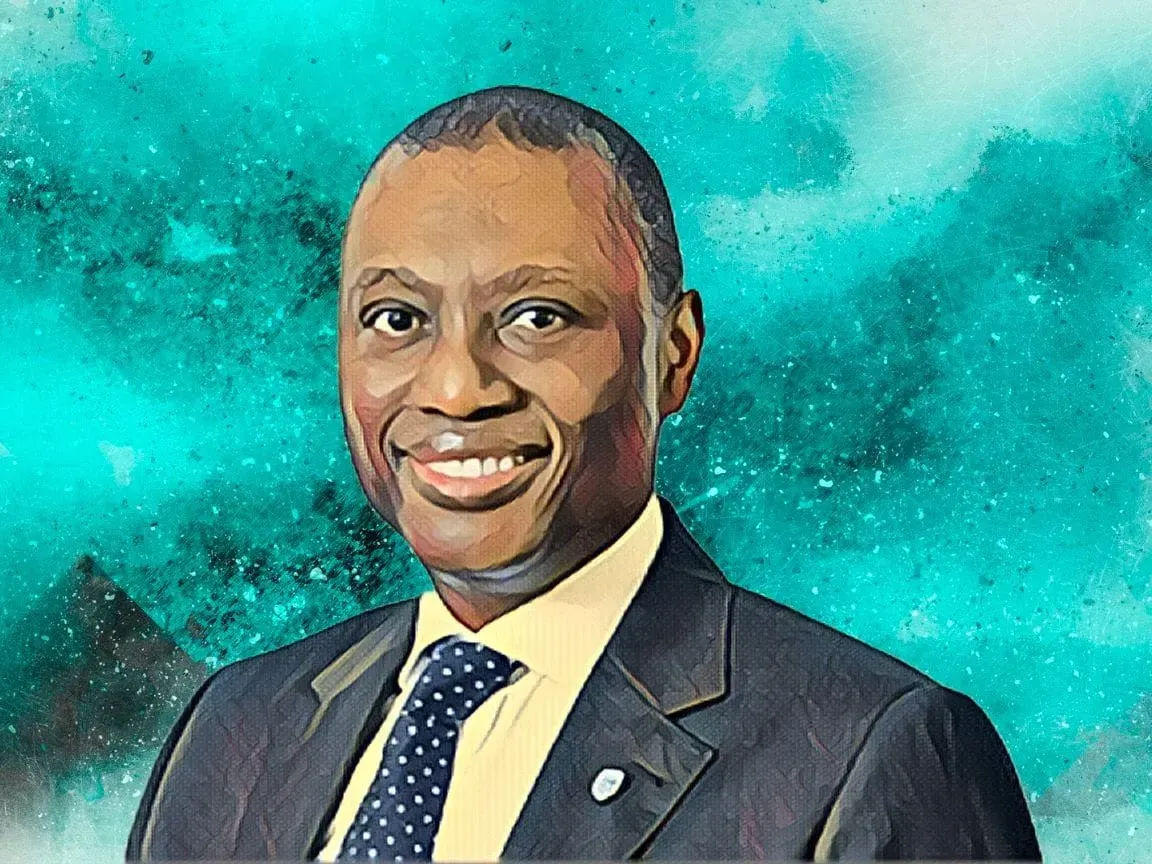
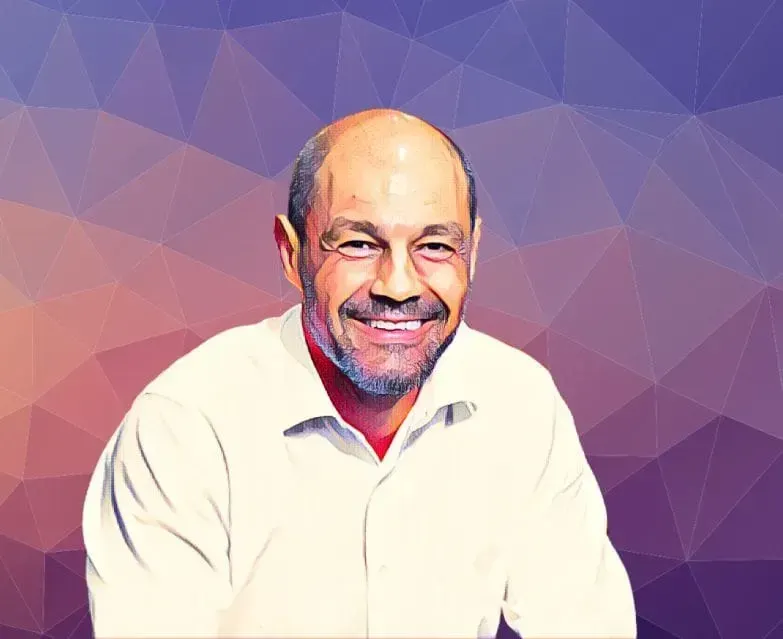
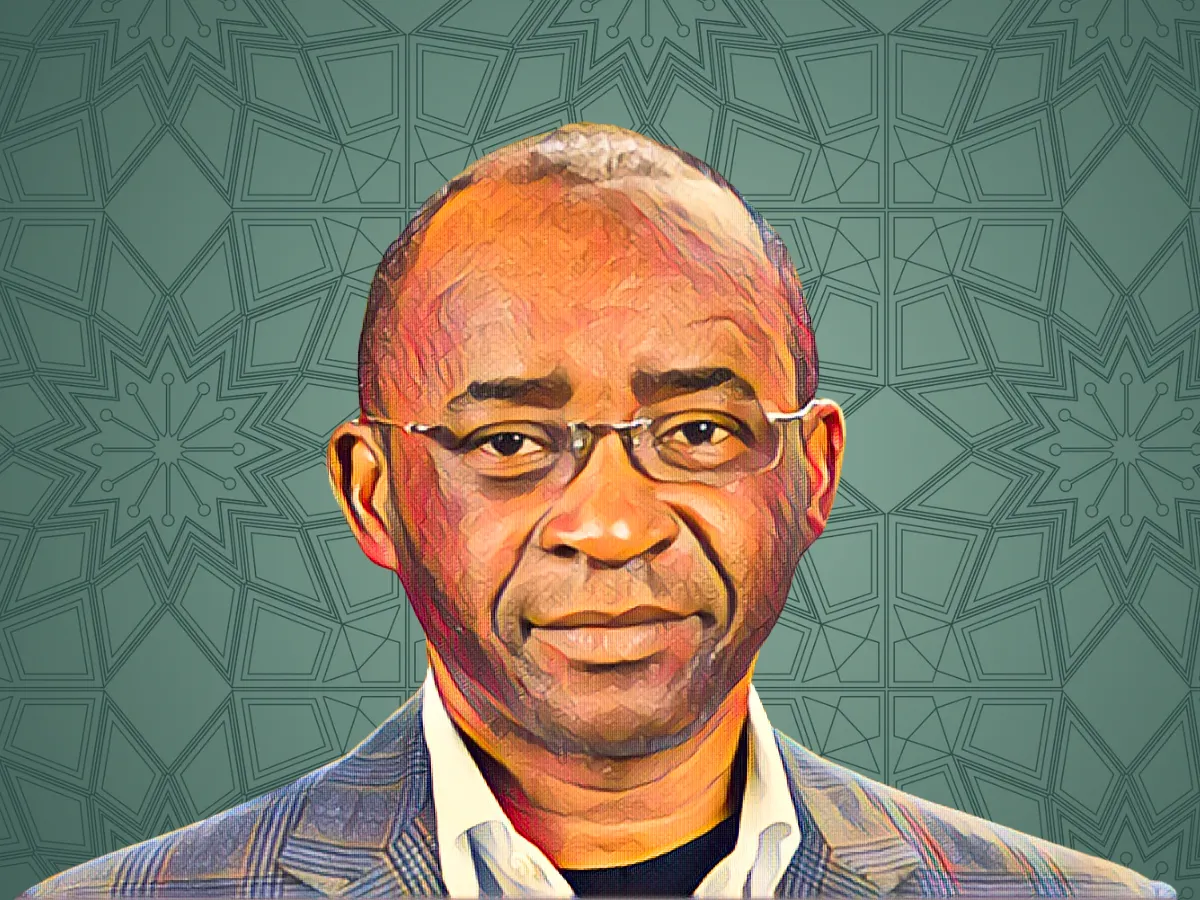
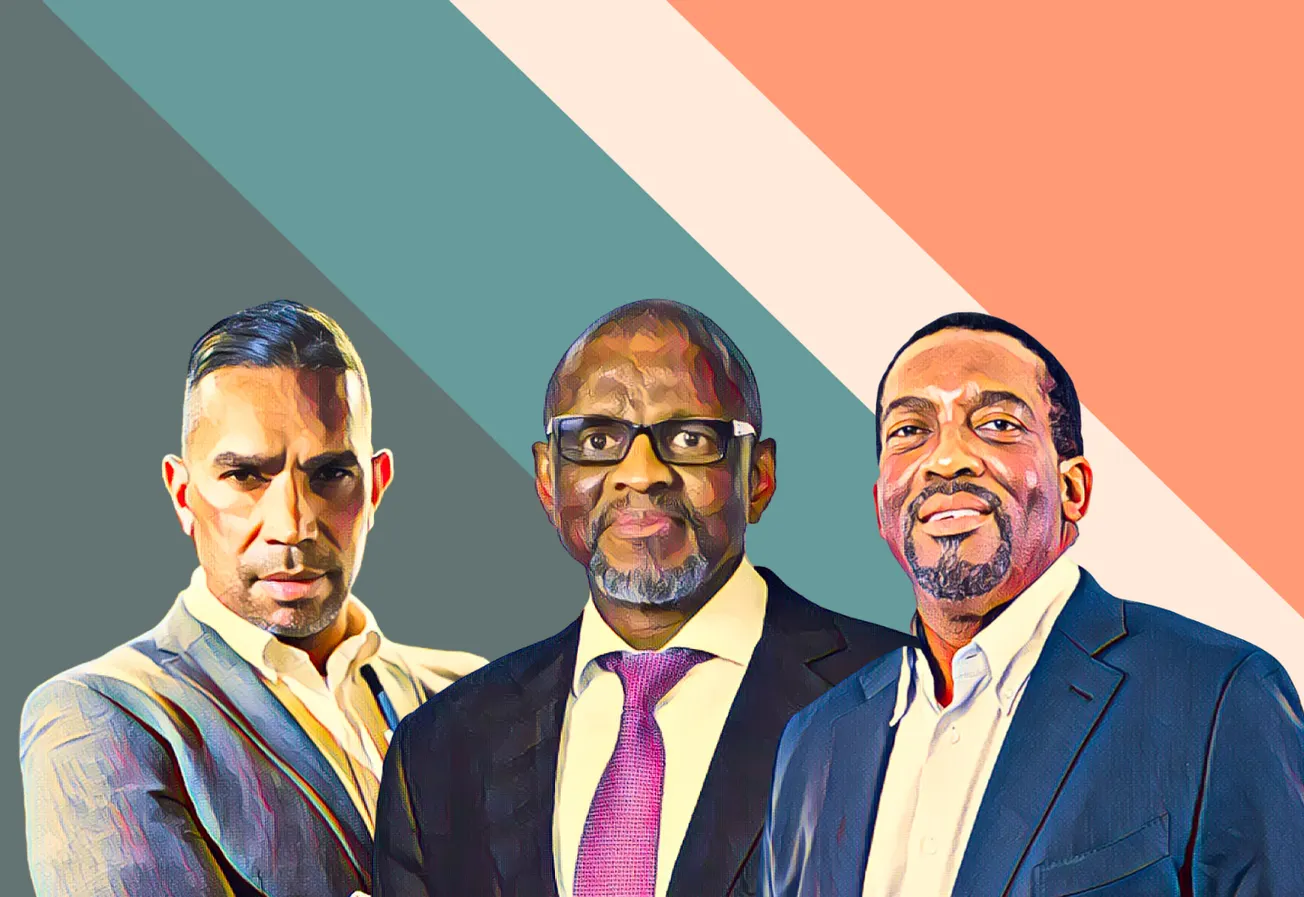
Three men founded it in 2015. Warren Gregory Wheatley, a chartered accountant who had left the South African bank Absa two years earlier to set up an advisory business called TSS Capital, became chief investment officer. Tshepo Duan Mahloele became chairman, having worked at the Public Investment Corporation from 2003 to 2006 as head of corporate finance and head of its Isibaya Fund, the division that invests in African projects with a developmental purpose. Phillip Jabulani Moleketi joined as a non-executive director, having served as South Africa's deputy minister of finance from 2004 to 2008 and chaired the PIC board in that role.
The Public Investment Corporation manages the Government Employees Pension Fund, which holds the retirement savings of South African civil servants, and is the largest asset manager on the African continent. It is a state-owned entity handling public money under the Public Finance Management Act.
The PIC recorded an investment in Lebashe on May 28, 2015, the year the company was registered. It committed R2,219,939,449 and had invested R2,023,671,835 by March 2018, according to its own published disclosures on unlisted investments. The stated purpose was supporting an emerging black-owned diversified financial services group and advancing transformation in financial services, meaning the transfer of ownership in the South African economy toward black South Africans after apartheid.
How the Capitec block was assembled
The Capitec holding is Lebashe's largest asset and its most litigated, and the company has published its own account of how it was built.
Capitec issued 10 million shares to a black empowerment consortium in December 2006, through a vehicle called Coral Lagoon Investments 194. The consortium paid R30 a share for 12.21 percent of the bank, a premium to the market price at the time. The Industrial Development Corporation, a South African state-owned development finance institution, funded most of the purchase. The consortium included Pilisiwe Twala-Tau, wife of the former Johannesburg mayor Parks Tau, and Gugu Mtshali, wife of former president Kgalema Motlanthe.
Coral Lagoon sold part of that holding to the PIC in February 2012 to clear its debt to the IDC, cutting its own stake to 5.6 percent. The PIC bought 5,284,735 shares at R156.11 each, a 15 percent discount to the average price over the preceding 30 trading days.
Lebashe acquired that same block of 5,284,735 shares in April 2015.
The PIC approved a second tranche of funding in July 2016 to buy more Capitec empowerment shares from Coral Lagoon. Lebashe made an offer in July 2017 for all 4.7 million shares still held in that structure, which required approval from Capitec itself, the Competition Commission and the Takeover Regulation Panel, the body that oversees company takeovers in South Africa. All three approved. Holders of 3.1 million shares accepted the offer and holders of about 1.6 million declined. Only R1.2 billion of the available facility was drawn.
Those two purchases account for the roughly 8.4 million shares Lebashe now holds.
Capitec has risen a long way since. The shares Lebashe bought at R156.11 in 2015 now trade at R4,654.66, close to thirty times what the PIC paid for them three years before that.
The debt behind the shares
The PIC financed a R700 million transaction in 2015, the year Lebashe bought its first block. It approved the second tranche in July 2016, and R1.2 billion of that facility was drawn in 2017 to buy the further 3.1 million shares.
Two commercial banks then took over the debt. Lebashe told a court in 2022 that its roughly 8.5 million Capitec shares had been pledged to Absa Capital and Standard Bank since 2018 and 2019, as security for new loan facilities that financed the shares and settled the original borrowings.
A pledge means the lender holds a claim over the asset. If Lebashe fails to repay, Absa and Standard Bank can take the shares.
Wheatley told the PIC Commission of Inquiry in April 2019, a public investigation President Cyril Ramaphosa established in 2018 to examine how the corporation had handled public money, that Lebashe owed the PIC R1.5 billion at that point and had never missed a repayment. He said money from the PIC accounted for only 20 percent of the group's total funding, which means the rest came from other lenders.
"Lebashe has many other clients and partners under our umbrella and stands securely on our own two feet, quite independently of the PIC or GEPF," he said.
Neither Wheatley nor Lebashe has published what the group owes Absa Capital and Standard Bank, or what remains outstanding on any of it today.
That changes how the Capitec stake should be described. Sunday World valued the block at more than R17 billion in 2022, and at today's price the same shares are worth about R39.6 billion. Reporting has counted the holding as Lebashe's, and on Capitec's share register, it is.
What the three founders own of it is a different figure. It is the market value of the shares minus whatever debt still sits against them, and that number has never been made public. Until it is, R39.6 billion is what the shares are worth, not what Lebashe is worth.
All three men testified at the PIC inquiry and denied receiving any undue benefit. They argued that the corporation had gained substantially from its investments in both Harith and Lebashe.
Harith, the fund that came first
The pattern that produced Lebashe began years earlier at a company called Harith.
The PIC started a multi-year process during Thabo Mbeki's presidency to establish a pan-African infrastructure fund. It became the Pan African Infrastructure Development Fund, set up to take private equity positions in power, telecommunications, transport, water and sanitation projects across Africa, with a target of raising at least a billion dollars. Two companies were created to run it: Harith Fund Managers, which manages the money, and Harith General Partners, the investment firm that sits above it.
Mahloele, then still employed by the PIC, wrote a memorandum in November 2005 asking the Government Employees Pension Fund for a mandate to commit $250 million, about R1.65 billion, to the fund. He was subsequently appointed to lead the secretariat that brought it into existence.
He resigned from the PIC in March 2006. In March 2007 he proposed that the PIC retain 70 percent of Harith Fund Managers, with management taking the remaining 30 percent for R5 million. The PIC board approved it. Moleketi later became chairman of the Harith Fund Managers board and a non-executive director of Harith General Partners.
Harith is now among the larger pan-African infrastructure investors, with holdings across power generation, airports and telecommunications. It is a separate company from Lebashe and shares only the two common directors.
Buying the newspapers
Lebashe bought the South African media assets of Tiso Blackstar, a media group then listed in Johannesburg, for R1 billion in 2019. The purchase brought it the Sunday Times, the country's largest-circulation weekly, alongside the business daily Business Day, the weekly Financial Mail and the Sowetan, a daily founded to serve black readers under apartheid. The business was renamed Arena Holdings.
The deal followed a troubled PIC investment in a rival group, Independent Media, through the Sekunjalo consortium, and speculation followed that the PIC was behind this purchase too. Lebashe said the money came from its own reserves.
Coral Lagoon comes back
The company Lebashe bought its Capitec shares from later took it to arbitration, a private dispute process that operates outside the ordinary courts.
Coral Lagoon claimed it held an indirect interest in the acquisition and sought a disgorgement of profits, meaning an order stripping Lebashe of gains it said were improperly made, along with the transfer of shares. Its case was that Mahloele had breached fiduciary duties owed to Coral, made a secret profit for himself and for Lebashe, and misappropriated a business opportunity belonging to Coral.
Robert Nugent, a retired South African judge acting as arbitrator, handed down an award in 2018. It provided that once a restriction on selling the Capitec shares fell away at the end of February 2022, the shares covered by a settlement benefit would transfer to Coral Lagoon.
The parties then disagreed over what the settlement meant. Coral read the phrase "13% of the Equity Economic Benefit in the Ring-Fenced Portfolio" as requiring Lebashe to hand over 687,016 Capitec shares, worth around R1.4 billion at the time. Lebashe read the same phrase as entitling Coral to the value of 8,157 shares, which it had already transferred to a court-appointed curator.
Coral began fresh arbitration proceedings on March 18, 2022. Sunday World reported that year that Lebashe stood accused of dodging the handover, quoting an affidavit which alleged that Lebashe and Mahloele intended to do everything to frustrate the transfer. Lebashe replied that it intended to comply with its obligations and that the applicants could suffer no harm.
Lebashe went to the High Court in Johannesburg in 2024, asking it to review and set aside an interim arbitration award under section 33(1)(b) of South Africa's Arbitration Act, and to declare that the arbitration agreement should cease to have effect.
None of Coral Lagoon's allegations has been established, and no court or tribunal has made a finding against Mahloele or Lebashe on them.
The ownership behind Coral Lagoon connects the dispute to state capture, the term South Africans use for the systematic looting of public institutions under former president Jacob Zuma. Coral Lagoon Investments 194 is wholly owned by Ash Brook Investments 15, which is 60 percent owned by Regiments Capital, an advisory firm central to the state capture inquiry. Capitec separately blocked a settlement in 2019 that would have moved 810,230 Capitec shares out of that structure to the Transnet Second Defined Benefit Fund, a pension fund for former employees of the state rail company, arguing the sale would dilute the bank's empowerment credentials. A court rejected that reasoning.
The Holomisa litigation
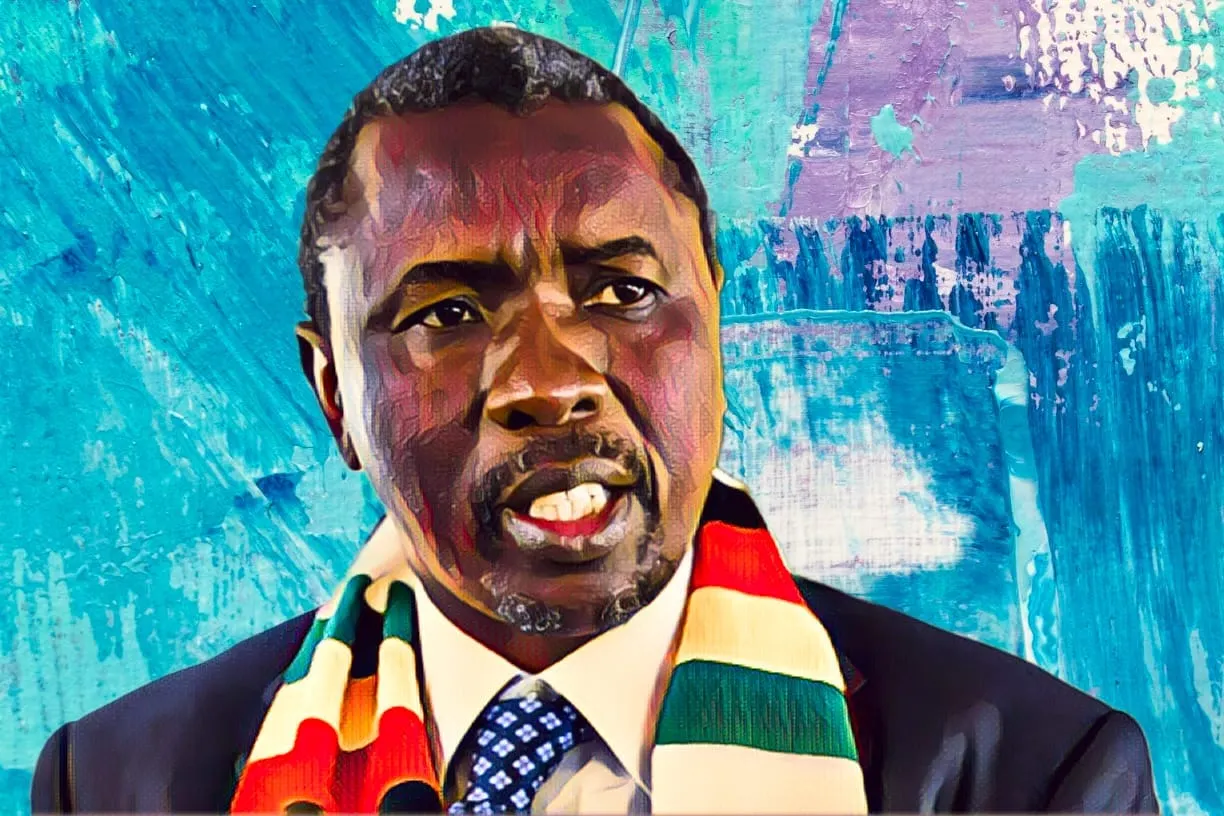
Bantu Holomisa, leader of the United Democratic Movement, a small South African opposition party, wrote to President Cyril Ramaphosa on May 31, 2018, asking him to have allegations against Lebashe, Harith and their directors investigated. The letter was published on the party's website and on Holomisa's social media accounts.
Lebashe, Harith General Partners, Harith Fund Managers, Wheatley, Mahloele and Moleketi went to court seeking an interim interdict, a temporary order restraining someone from doing something, pending a claim for damages. The High Court granted it, ordering Holomisa and the party to stop repeating the allegations and to delete the letter.
Holomisa appealed to the Constitutional Court, South Africa's highest court, arguing the order was final in its effect and that he had been performing a constitutional duty by raising the matter with the president.
The court rejected that on Sept. 22, 2022, in a unanimous judgment written by acting justice Mjabuliseni Madondo.
"They did not even make a feeble attempt to ascertain the truth of the allegations before publishing the defamatory material, notwithstanding the fact that they had asked the president to inquire into the allegations," Madondo wrote.
"The applicants were not entitled to wantonly defame the respondents under the pretext that they were executing a constitutional duty," the judgment found. "When a public figure plainly defames members of the public while admitting that he or she does not know the truth of what he or she says, his or her right to freedom of expression may justifiably be limited."
The damages claim has not concluded. Holomisa was pursued by the sheriff of the court in April 2023 over unpaid legal costs from the case.
The rest of the portfolio
Aluwani Capital Partners is a South African asset management firm that invests money on behalf of pension funds and institutions, with Moleketi as chairman and Wheatley on the board. RainFin is an online lender that matches borrowers with investors, 74.92 percent owned by Lebashe Financial Services, with all three men listed as directors. 4AX is a licensed South African stock exchange, one of a small number of alternatives to the Johannesburg Stock Exchange. Lebashe Capital, formerly TSS Capital, is the advisory business Wheatley founded before Lebashe existed and later sold into the group.
Lebashe is a private company, files no public accounts and has no listed shares. None of the three founders appears on any wealth ranking maintained by Forbes or the Bloomberg Billionaires Index.
What the public record establishes is a sequence rather than a verdict. Two of the three founders held senior positions at or over the PIC. The PIC then committed more than R2.2 billion to the company they founded, in the year it was registered. That company borrowed to acquire a block of Capitec shares the PIC had itself bought three years earlier, and those shares are now worth close to thirty times what was paid for them.
No court has found any of it unlawful.
The intelligence satisfies curiosity. The paid briefings satisfy strategy.
Every Monday, Elite subscribers receive an Investor Memo breaking down the deal, the structure and the positioning behind the week's most consequential African wealth story — the kind of analysis that doesn't appear anywhere else.
Twice a month, a Wealth Intelligence brief profiles a single billionaire's holdings, cash flows and expansion pipeline in detail no public source matches.
→ Executive ($25/mo): Daily newsletter + Deep-Dive Reports
→ Elite ($75/mo): Everything above + Investor Memos + Wealth Intelligence + Quarterly Analyst Briefings
Subscribe now