

Table of Contents
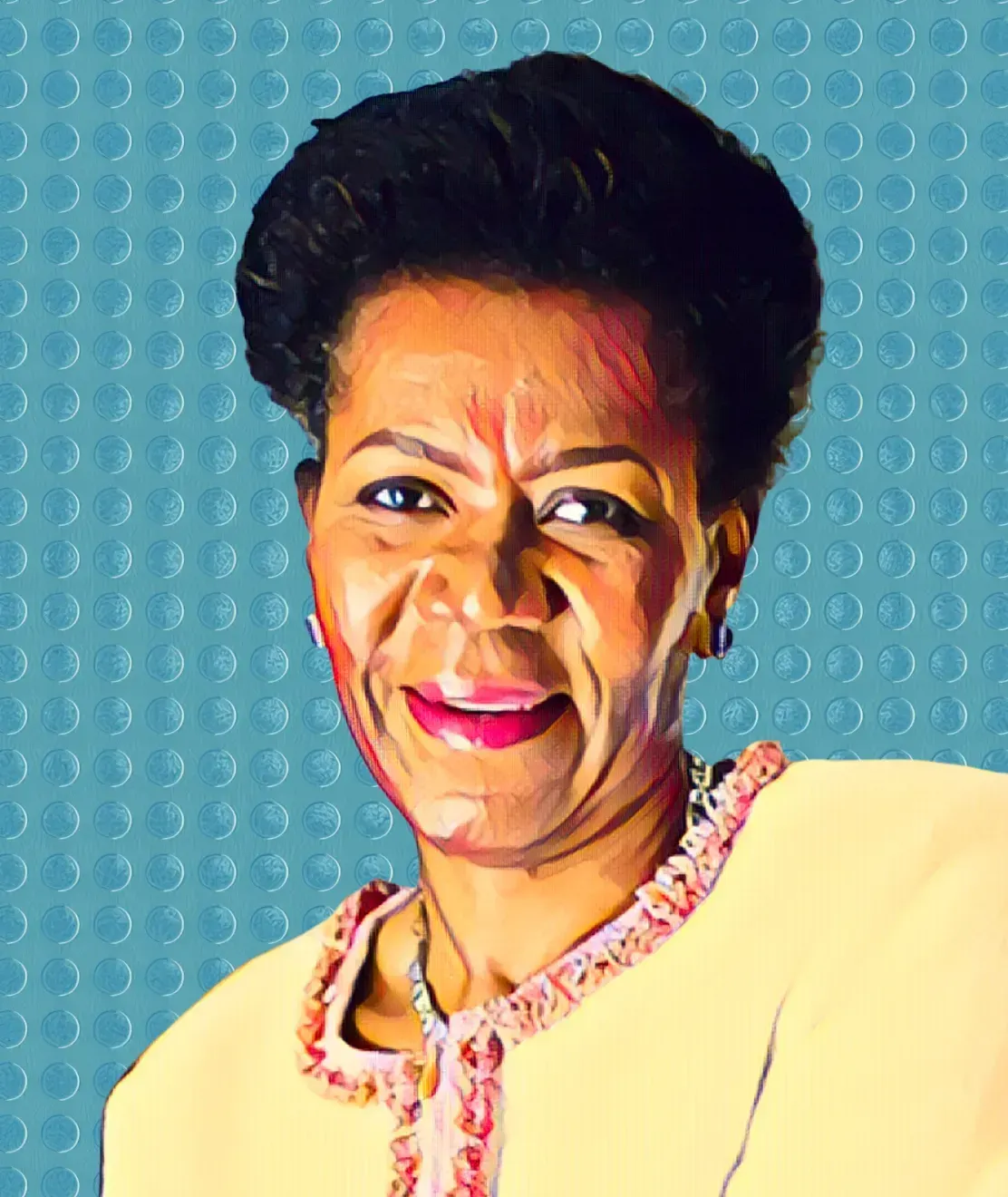
Kalagadi Manganese (Pty) Ltd., the Northern Cape mine founded by South African tycoon Daphne Mashile-Nkosi, is carrying about R8.8 billion ($530 million) in debt, including accrued interest, as the state-owned Industrial Development Corporation presses on with a six-year bid to place the company in business rescue.
The IDC is both a lender to Kalagadi and a 20% shareholder. Parliamentary disclosures record R6.1 billion ($367 million) of IDC funding to the miner between June 2013 and March 2025, a figure the Financial Mail set out this week in a review of the development lender's troubled industrial book. The corporation applied for business rescue in May 2020, and the matter is still unresolved.
Kalagadi has said it is solvent and has pushed for a restructuring of its debt instead. "We can confirm that Kalagadi is solvent," Mashile-Nkosi, the company's executive chair, said in May 2024, adding that the company could pay its liabilities as they fell due apart from its senior debt facilities. The IDC said at the time that Kalagadi was paying its trade creditors but had not repaid its lenders.
Six years in court
The lenders' claims are spread across three institutions. The IDC and the African Development Bank are each owed about R3 billion ($181 million), and Absa Bank Ltd. is owed nearly R1 billion ($60 million), with interest still running. Kalagadi had repaid none of that senior debt as of mid-2025.
The Johannesburg High Court ordered in May 2024 that the business rescue application be dealt with on an expedited basis. In mid-2025 the Supreme Court of Appeal ruled that the debt dispute between Kalagadi and its lenders must go to arbitration, rejecting the company's argument that the IDC was barred from entering arbitration agreements.
Kalagadi lost again in August, when the Supreme Court of Appeal dismissed its challenge to the IDC's authority to bring the business rescue case. The company had argued that the application had gone stale. The court found the delay was "largely self-induced," pointing to interlocutory challenges and appeal applications brought by Kalagadi, and said the miner had not produced a "concrete and workable restructuring proposal" in nearly six years. Kalagadi has argued throughout that its assets exceed its liabilities.
Kalagadi is one of five companies for which the IDC's corporate plan sets turnaround milestones, alongside Cast Products South Africa, Foskor, BAIC and ArcelorMittal South Africa.
The mine and its owners
The mine sits on three farms near Hotazel, in the Kalahari Manganese Field of the Northern Cape, a basin that holds about 80% of the world's known land-based manganese reserves. Kalagadi's mining rights cover more than 960 million tonnes of manganese ore. The operation was built to mine 3 million tonnes of ore a year and feed its Umtu sinter plant, designed to turn out 2.4 million tonnes of high-grade sinter annually.
Mashile-Nkosi controls roughly two-thirds of the company through Kalahari Resources and Kgalagadi Alloys. The current register shows Kgalagadi Alloys with 44%, Kalahari Resources with 36% and the IDC with 20%, and at least 70% of the ultimate shareholders are women.
ArcelorMittal SA bought 50% of Kalagadi in 2008 in a deal valued at more than $400 million at the time, leaving Kalahari Resources with 40% and the IDC with 10%. The partners later fell out over funding and governance. ArcelorMittal lost a case in the South Gauteng High Court that ordered it to pay R285 million ($17.2 million) into the project, and it sold its stake to Kgalagadi Alloys in 2016.
A long build
Mashile-Nkosi, an anti-apartheid activist who later worked in banking and politics, founded Kalahari Resources in 2001 with a group of black women to break into a manganese industry then dominated by Anglo American and Assmang. Commercial banks turned the project down, and she and her late husband, Stan Nkosi, paid for the first 14 exploration holes themselves.
The IDC lent Kalahari Resources R60 million for a bankable feasibility study and took a 20% stake in January 2007, creating Kalagadi Manganese. Stan Nkosi died in 2008 during construction. Mashile-Nkosi has put the cost of the full complex, including a planned ferromanganese smelter at the Coega industrial zone in the Eastern Cape, at $1.3 billion.
Figures were converted at R16.6 to the dollar.
The intelligence satisfies curiosity. The paid briefings satisfy strategy.
Every Monday, Elite subscribers receive an Investor Memo breaking down the deal, the structure and the positioning behind the week's most consequential African wealth story — the kind of analysis that doesn't appear anywhere else.
Twice a month, a Wealth Intelligence brief profiles a single billionaire's holdings, cash flows and expansion pipeline in detail no public source matches.
→ Executive ($25/mo): Daily newsletter + Deep-Dive Reports
→ Elite ($75/mo): Everything above + Investor Memos + Wealth Intelligence + Quarterly Analyst Briefings
Subscribe now