


Table of Contents
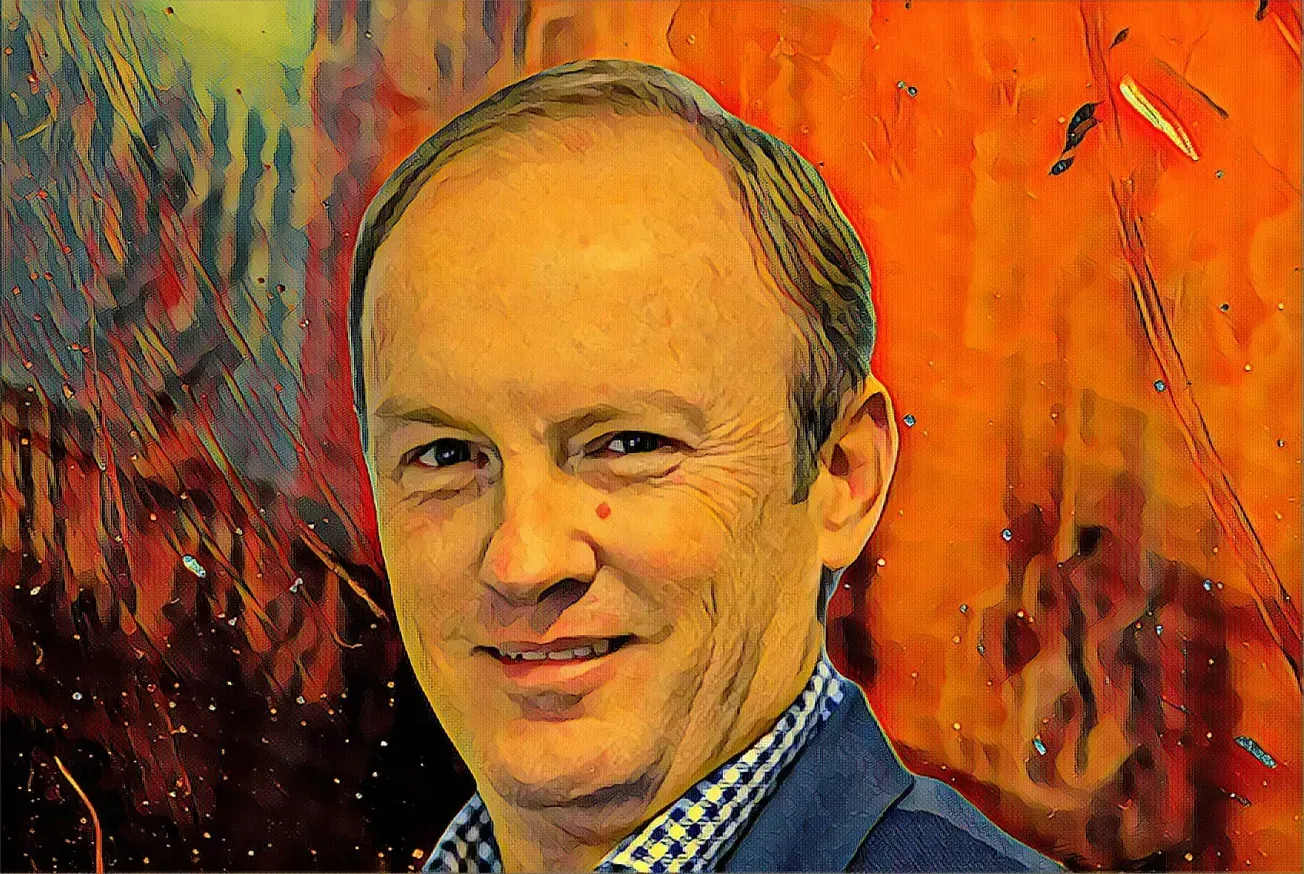
Montauk Renewables Inc., the U.S. biogas producer chaired by South African tycoon Johnny Copelyn, said it expects to be in default of its loan covenants on Dec. 31 unless its lender agrees to relief, after its cash pile almost halved this year.
Cash and cash equivalents fell to $12.4 million at the end of September from $23.8 million at the end of December, the Pittsburgh-based company said in third-quarter results released on Nov. 16. That leaves it $2.4 million above the $10 million minimum liquidity its senior credit facility requires. Long-term debt rose to $149.7 million from $126 million, and accounts payable more than doubled to $32.8 million.
Montauk said it has signed a non-binding term sheet with the lender that would allow it to borrow more and give it a temporary forbearance and standstill on some covenant requirements. "If we are unable to obtain such relief, we expect to be in default of the covenants thereunder as of December 31, 2026," the company said. The lenders hold first-priority liens on substantially all of the assets of Montauk and its subsidiaries.
In its quarterly filing, the company said its financial position had raised substantial doubt about its ability to fund its obligations over the next 12 months, but that management's plans alleviate that doubt. Those plans include deferring $100 million to $120 million of development spending and cutting discretionary maintenance. The filing does not carry the going-concern qualification Montauk had flagged when it postponed its results.
Revenue rose 10.9% to $50.2 million in the three months to Sept. 30, from $45.3 million a year earlier, helped by about $4 million of environmental attribute revenue from the company's GreenWave joint venture. Net income fell 59% to $2.1 million, and adjusted earnings before interest, taxes, depreciation and amortization dropped 20.6% to $10.2 million. The company posted an operating loss of $1 million, compared with operating income of $4.4 million a year earlier.
Renewable natural gas output rose 6.7% to 1.5 million MMBtu. Renewable electricity production slipped 6.8% to about 41,000 megawatt-hours because of engine and turbocharger repairs at its Tulsa and Pico facilities.
Montauk cut its 2026 forecast for renewable natural gas revenue to $175 million to $180 million because of lower prices for environmental attributes, while keeping its production outlook of 5.8 million to 6 million MMBtu. It expects renewable electricity revenue of $17 million to $19 million. Capital spending reached $75.2 million in the first nine months of the year.
Much of the strain traces to Montauk Ag Renewables, a facility in Turkey, North Carolina, that turns swine waste into renewable electricity. The first phase of the project represents about $200 million of investment.
The plant began selling power in July, though only at nominal levels through the third quarter, and the company received a commercial operation date notice from its utility customer in August. Montauk now plans upgrades to control the moisture of its feedstock and preserve syngas temperatures, which it expects to take about three months and cost roughly $15 million. Work will start once the amendment to its credit facility is signed. The remaining $45 million of capacity under the facility depends on the Turkey project meeting set requirements.
The company also lowered its renewable electricity production guidance to 170,000 to 175,000 megawatt-hours because of the North Carolina facility. A motion before the North Carolina Utilities Commission could change or delay the state's requirements for renewable energy credits from swine waste, which drive demand for the plant's output.
Montauk is listed on the Nasdaq and has a secondary listing on the Johannesburg Stock Exchange. Its largest shareholder is Hosken Consolidated Investments Ltd., the Johannesburg-based investment group that Copelyn leads and that also controls hotel group Southern Sun, casino operator Tsogo Sun and broadcaster eMedia Holdings.
Copelyn, a former trade union leader who served as a member of South Africa's first democratic Parliament, built HCI into one of the country's largest black-empowerment investment companies after the union movement's investment arm took control of it in the 1990s.
The intelligence satisfies curiosity. The paid briefings satisfy strategy.
Every Monday, Elite subscribers receive an Investor Memo breaking down the deal, the structure and the positioning behind the week's most consequential African wealth story — the kind of analysis that doesn't appear anywhere else.
Twice a month, a Wealth Intelligence brief profiles a single billionaire's holdings, cash flows and expansion pipeline in detail no public source matches.
→ Executive ($25/mo): Daily newsletter + Deep-Dive Reports
→ Elite ($75/mo): Everything above + Investor Memos + Wealth Intelligence + Quarterly Analyst Briefings
Subscribe now