

Table of Contents
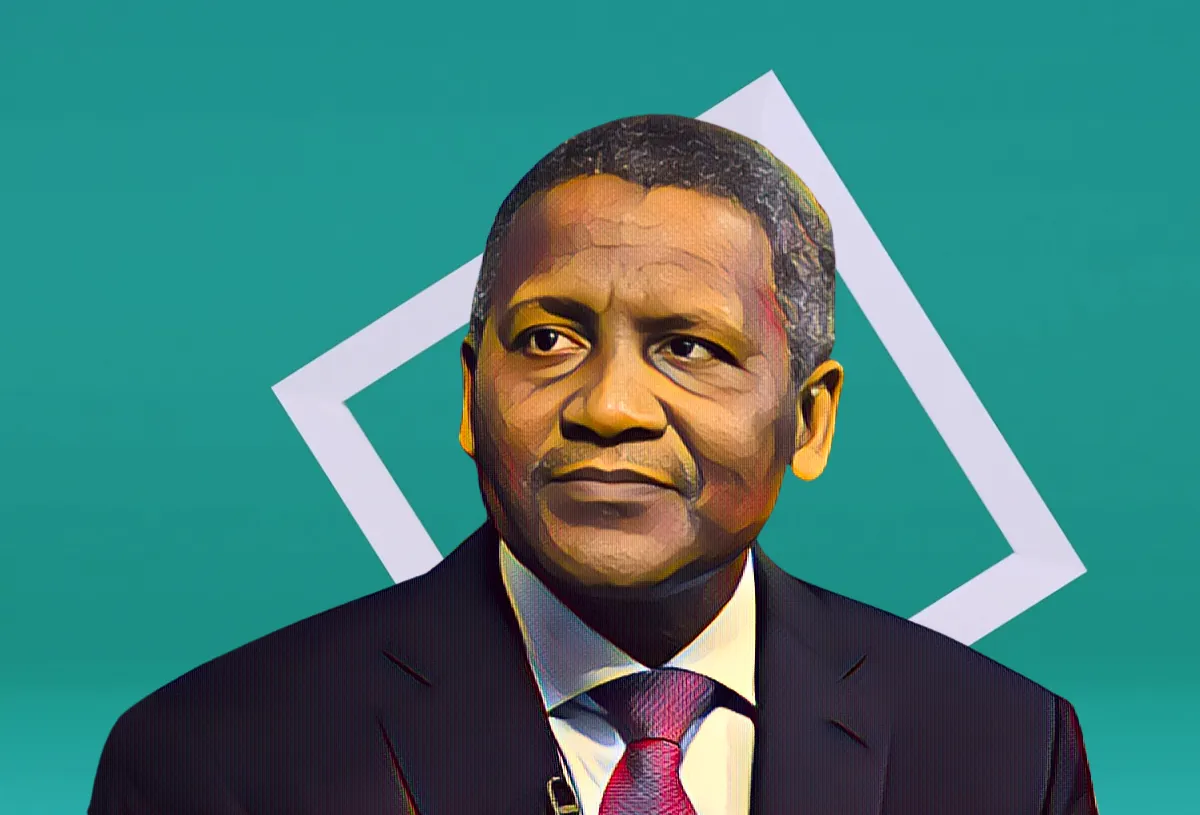
Aliko Dangote's oil refinery in Lagos ran above its full rated capacity for the first time in August, processing more than 736,000 barrels of crude a day and pushing Nigeria's fuel imports sharply lower.
The Dangote Petroleum Refinery operated at 105.21% of its 700,000-barrel-a-day nameplate capacity during the month, according to data from the Nigerian Midstream and Downstream Petroleum Regulatory Authority. Average throughput reached 736,470 barrels a day, up from 497,000 barrels a day in July, when the plant ran at 71% of capacity.
The jump came as the refinery received more local crude. Deliveries of Nigerian crude to the plant rose 16.75% to 683,000 barrels a day in August, easing a shortage of feedstock that has held back operations at times since the refinery began ramping up. The gap between those deliveries and the plant's throughput was met with crude from other sources.
The refinery produced an average of 84.43 million liters a day of petrol, diesel and jet fuel during the month, the regulator's data show.
Petrol is where the refinery's grip on the Nigerian market showed most clearly. Dangote's deliveries of petrol, known locally as Premium Motor Spirit, rose 39% from July to 35.87 million liters a day. That gave the refinery about 71% of all the petrol supplied in Nigeria in August.
National petrol imports fell 26% to 14.60 million liters a day over the same period.
The drop in diesel imports was steeper. Dangote delivered an average of 12.37 million liters of diesel a day to the domestic market, and Nigeria's diesel imports fell to 1.30 million liters a day in August from 7.90 million liters in July. That is a decline of more than 80% in one month.
The refinery also shipped fuel abroad. It exported an average of 9.73 million liters of petrol, 8.75 million liters of diesel and 21.30 million liters of aviation fuel a day in August.
Those numbers matter for a country that has long been one of the oddities of the global oil market. Nigeria is Africa's largest crude producer, yet for decades it shipped out crude and imported most of the petrol and diesel it used because its state-owned refineries barely worked. The imports drained foreign exchange and left the country exposed to swings in global fuel prices. Cutting those import bills has become a policy priority for the government, and every liter the Dangote plant supplies at home is a liter Nigeria does not need dollars to buy.
Dangote Group said the August performance reflects the refinery's growing role in the country's energy security, foreign exchange savings and industrial growth. The company said it remains committed to adding value locally and supplying refined products to Nigeria, the rest of Africa and international markets.
Refiners usually avoid running above design capacity for long stretches because it puts added wear on equipment. The company has presented the August figures as proof that the plant is running efficiently and reliably. Executives have credited steadier crude supply and changes to the refining process for the higher output.
The results arrive in the middle of the refinery's initial public offering, which opened on the Nigerian Exchange on Sept. 14 and closes on Oct. 13. The company is offering 4.1 billion shares at ₦525 each, which would raise about ₦2.15 trillion ($1.6 billion) and make it one of the largest share sales in African history. The August data give the company fresh evidence to show investors that the plant has moved past the erratic output of its early years.
The swing from 71% to more than 105% in a single month also shows how much the refinery's performance still depends on a steady supply of crude.
Dangote, Africa's richest person, built the refinery in the Lekki Free Zone on the outskirts of Lagos over most of a decade at a cost of about $20 billion. It began producing petrol in September 2024 and has since become the largest single-train refinery in the world. Dangote has said he plans to eventually double its capacity to 1.4 million barrels a day, which would make it the largest refinery on the planet.
The intelligence satisfies curiosity. The paid briefings satisfy strategy.
Every Monday, Elite subscribers receive an Investor Memo breaking down the deal, the structure and the positioning behind the week's most consequential African wealth story - the kind of analysis that doesn't appear anywhere else.
Twice a month, a Wealth Intelligence brief profiles a single billionaire's holdings, cash flows and expansion pipeline in detail no public source matches.
→ Executive ($25/mo): Daily newsletter + Deep-Dive Reports
→ Elite ($75/mo): Everything above + Investor Memos + Wealth Intelligence + Quarterly Analyst Briefings
Subscribe now