


Table of Contents
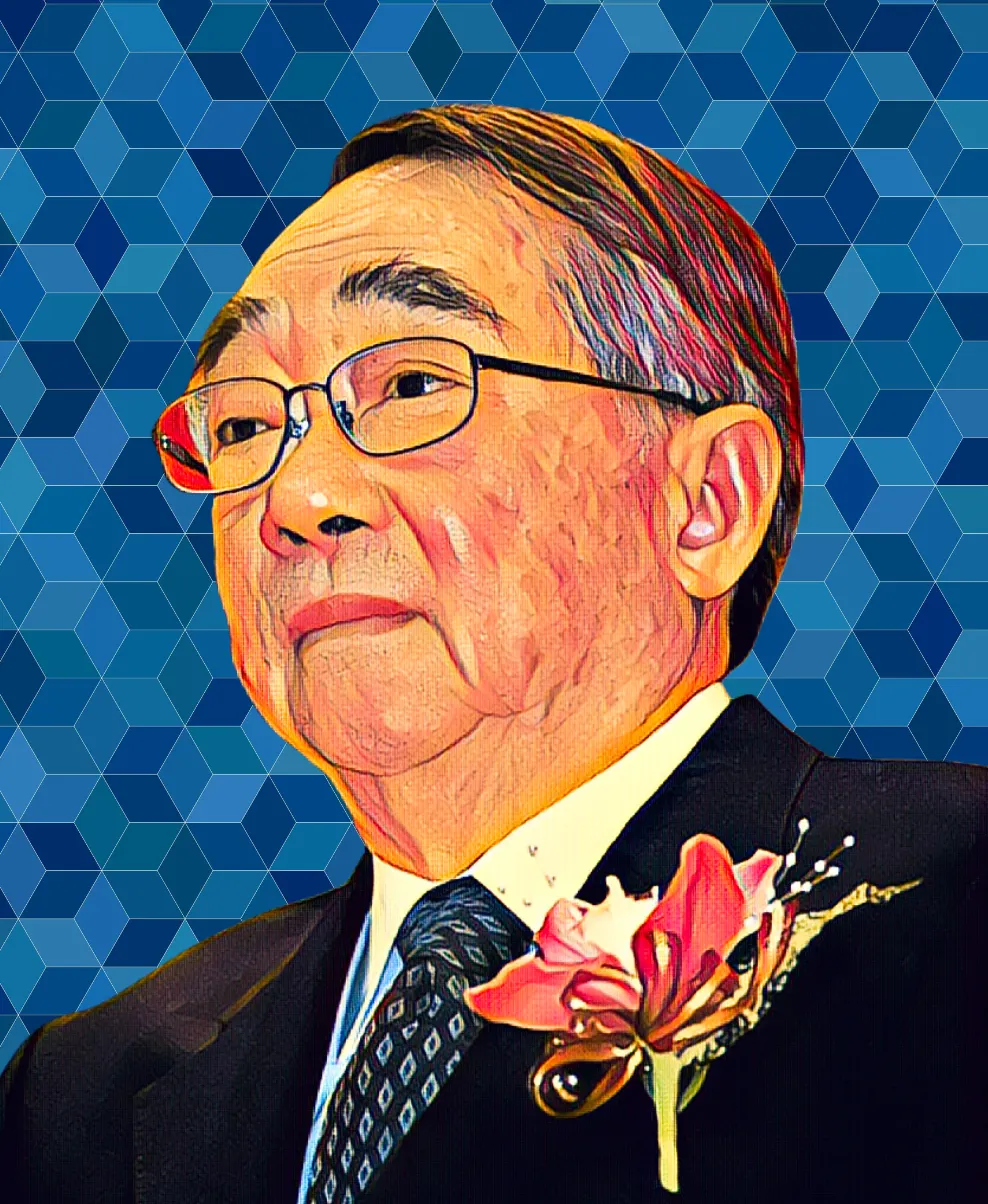
The foundation of late Taiwanese shipping billionaire Chang Yung-fa has expanded its lawsuit to include his heirs, seeking NT$1 billion from an estate that remains largely undistributed nearly a decade after his death.
The Chang Yung-fa Foundation is seeking to enforce what it describes as the billionaire’s wishes to dedicate part of his wealth to charitable causes. The latest development brings his children and widow directly into the dispute, widening a legal battle that has continued despite courts upholding his will.
Chang, who founded Evergreen Group, the shipping and aviation conglomerate behind Evergreen Marine and EVA Air, died in January 2016. His fortune was estimated at more than $3 billion, making the eventual distribution of his assets one of Taiwan’s most closely watched inheritance disputes.
The foundation initially sued four estate executors, seeking NT$1 billion on the grounds that Chang had made a commitment to donate money to charity after his death. It has now added his heirs as defendants, seeking to resolve the dispute over the estate and the alleged charitable commitment in the same proceedings.
The foundation argues that Chang repeatedly expressed his intention to give his remaining wealth to charitable causes in public statements and in his autobiography. Its lawyers maintain that these statements demonstrate a commitment that should be honoured rather than treated as informal remarks.
The executors’ lawyers dispute that position, arguing that Chang’s will specified how his estate should be distributed and did not establish an enforceable agreement to donate the money. Chang’s youngest son, Chang Kuo-wei, has also argued that the will designated him as the principal beneficiary and that the foundation would continue receiving support from related companies.
Chang Kuo-wei chairs Starlux Airlines, the Taiwanese carrier he founded after leaving EVA Air, the airline established by his father. His position as the designated heir has placed him at the centre of the dispute over the family’s legacy.
The dispute reflects a wider issue facing wealthy families when succession plans and charitable intentions come into conflict. As Billionaires.Africa has reported in its coverage of Indonesia’s billionaire Hartono family, the management and transfer of substantial family fortunes can attract scrutiny well beyond the businesses that created the wealth.
Taiwan’s Supreme Court upheld the validity of Chang’s sealed will in 2024, ending a separate challenge brought by one of his sons. However, that ruling did not resolve every question surrounding the estate, including the foundation’s claim that an earlier charitable commitment remained enforceable.
The foundation’s lawsuit does not establish that Chang’s heirs acted improperly. Instead, the central question is whether his statements created a binding obligation to direct money to charity despite the terms of his will.
The court has concluded arguments in the case and scheduled its judgment for November 30. The decision could determine whether the foundation has a legal claim against the estate, adding another chapter to the long-running dispute over the wealth and wishes of one of Taiwan’s most prominent business founders.
The intelligence satisfies curiosity. The paid briefings satisfy strategy.
Every Monday, Elite subscribers receive an Investor Memo breaking down the deal, the structure and the positioning behind the week's most consequential African wealth story — the kind of analysis that doesn't appear anywhere else.
Twice a month, a Wealth Intelligence brief profiles a single billionaire's holdings, cash flows and expansion pipeline in detail no public source matches.
→ Executive ($25/mo): Daily newsletter + Deep-Dive Reports
→ Elite ($75/mo): Everything above + Investor Memos + Wealth Intelligence + Quarterly Analyst Briefings
Subscribe now