

Table of Contents
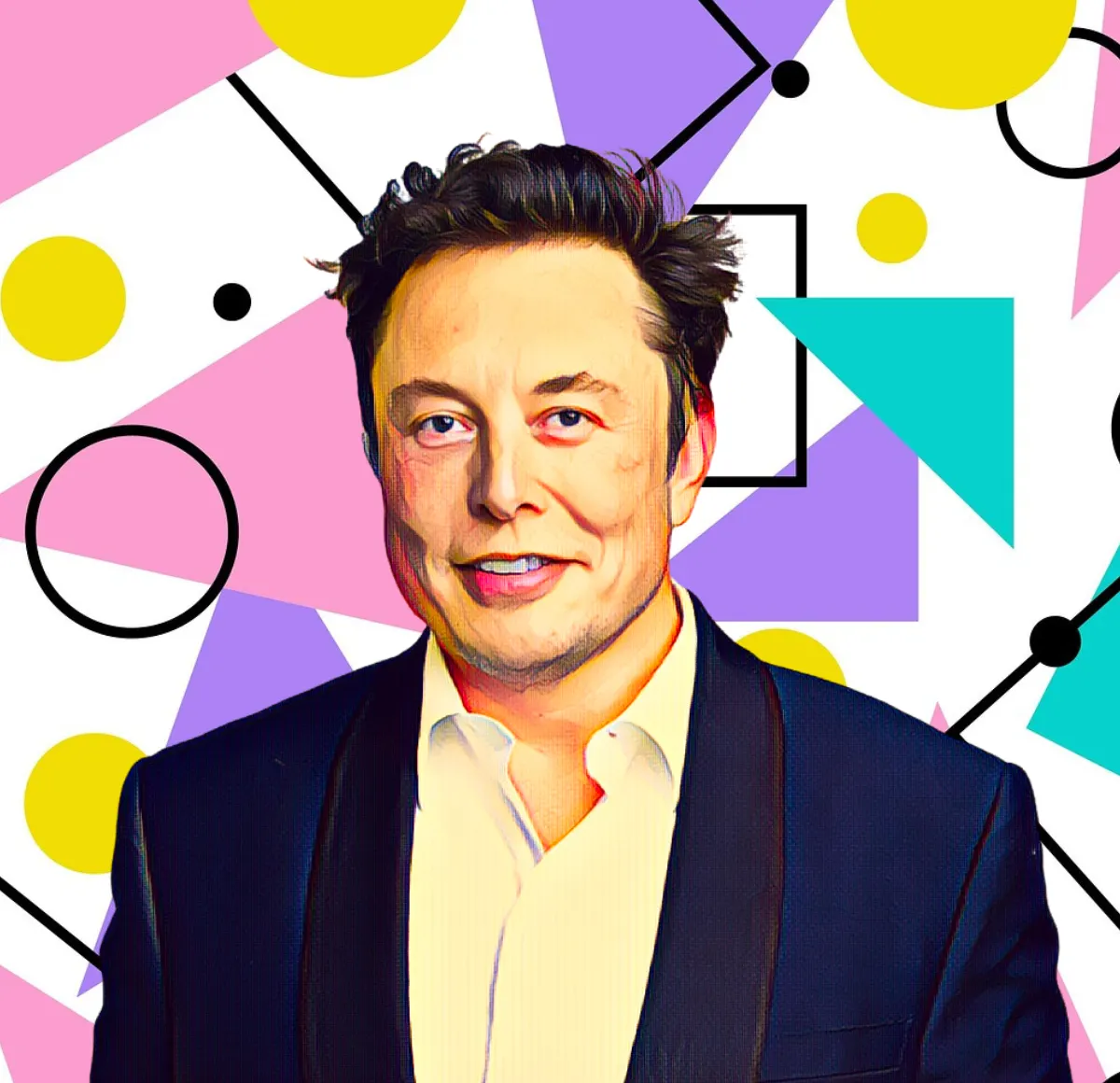
American billionaire Elon Musk has put $446 million of his own money into the 2026 U.S. midterm elections, the largest amount any individual donor has given in a single cycle in modern American history, federal campaign finance records show.
Most of the money is aimed at keeping Republican control of the House and Senate in the Nov. 3 elections. At least $355 million of it has come since the start of July, according to filings with the Federal Election Commission released this week, the last major disclosures before voters go to the polls.
The total is up from about $276 million in donations Musk was known to have made since July when the previous round of filings came in earlier this month, and it is well above the roughly $290 million he spent in the 2024 election, when he helped return President Donald Trump to the White House.
Where the money went
The biggest share, nearly $216 million, went to America PAC, the super PAC Musk set up in 2024. It is running a paid door-to-door canvassing and turnout operation in seven Senate battleground states and close to three dozen House races. Musk gave the group more than $76 million in the first two weeks of October alone, and it spent nearly $43 million in that period.
Musk also gave $168 million to the Senate Leadership Fund, the main super PAC backing Republican Senate candidates, and $30 million to the Congressional Leadership Fund, its House counterpart. Two of his September gifts to the Senate group, $75 million on Sept. 9 and $83 million on Sept. 23, were followed within a day by transfers of matching amounts to Texas PAC, a committee supporting Texas Attorney General Ken Paxton's run for the U.S. Senate.
Texas has become the center of Musk's spending. A trust controlled by Musk gave $10 million to Lone Star Liberty PAC, another pro-Paxton group, and America PAC spent $15.2 million on the race in the first half of October, $12.4 million of it on ads and outreach against Democrat James Talarico, a state lawmaker, and $2.8 million in support of Paxton. Talarico has accused Musk of trying to use his fortune to buy political representation.
The rest of Musk's money has gone to groups that back Republican candidates for governor and state attorney general, including $10 million to the Republican Governors Association.
Uihleins and Yass trail far behind
No other donor comes close. Richard and Elizabeth Uihlein, the Illinois couple who own packaging and shipping-supplies distributor Uline, rank second with about $150 million, nearly all of it to Republican and conservative causes. Jeff Yass, co-founder of trading firm Susquehanna International Group, and his wife, Janine, are third with about $110 million, followed by George Soros, the hedge fund founder and leading Democratic donor, at about $102 million.
They are the only four individual donors to have given more than $100 million this cycle. The 50 biggest donors have together given more than $2.77 billion, about $1.67 billion of it to Republican-aligned groups and about $832 million to Democratic-aligned groups.
Michael Bloomberg, the former New York mayor, has given more than $84 million, mostly to help Democrats win House seats. Venture capitalists Marc Andreessen and Ben Horowitz have given more than $92 million combined, much of it to super PACs that support the artificial intelligence and cryptocurrency industries.
Before Musk, the largest individual donors of the modern era were casino owner Sheldon Adelson and his wife, Miriam, who gave about $218 million in the 2020 election cycle. Bloomberg spent more than $1 billion on his own 2020 presidential campaign, money that went to his own run rather than to other candidates and groups.
A return after the Trump split
The spending marks a turnaround for Musk, who led the Trump administration's Department of Government Efficiency, a federal cost-cutting effort, before leaving in May 2025 after a public falling-out with the president. That month he said he planned to do "a lot less" political spending in the future. The two men have since reconciled, and Trump awarded Musk the National Medal of Science this month.
Some Democratic lawmakers have said they would look into possible conflicts of interest involving Musk's businesses, including SpaceX's federal contracts, if their party wins control of congressional committees.
Musk is chief executive of Tesla Inc. and SpaceX, which listed on the Nasdaq in June in the largest initial public offering on record. He is the world's richest person, with a fortune that has moved above and below $1 trillion this year with the shares of his companies.
The intelligence satisfies curiosity. The paid briefings satisfy strategy.
Every Monday, Elite subscribers receive an Investor Memo breaking down the deal, the structure and the positioning behind the week's most consequential African wealth story — the kind of analysis that doesn't appear anywhere else.
Twice a month, a Wealth Intelligence brief profiles a single billionaire's holdings, cash flows and expansion pipeline in detail no public source matches.
→ Executive ($25/mo): Daily newsletter + Deep-Dive Reports
→ Elite ($75/mo): Everything above + Investor Memos + Wealth Intelligence + Quarterly Analyst Briefings
Subscribe now