

Table of Contents
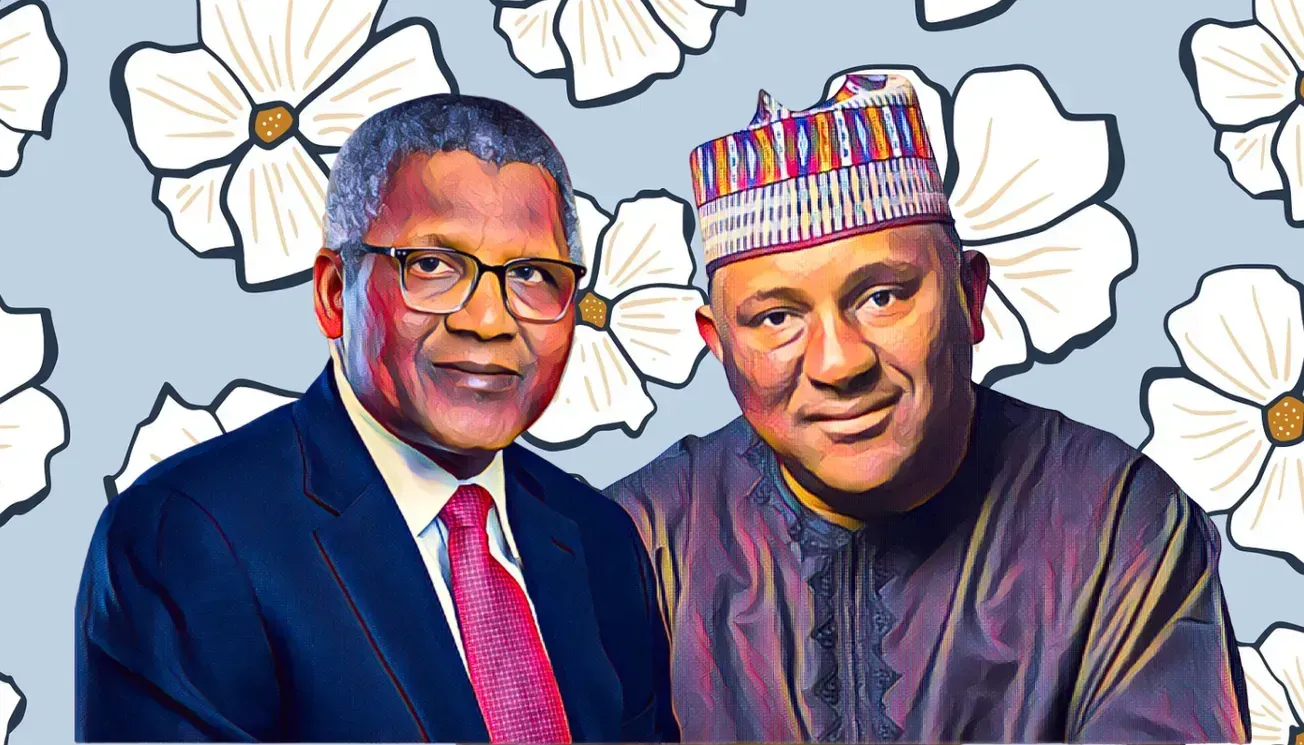
Dangote Cement Plc and BUA Cement Plc, the Nigerian cement makers controlled by billionaires Aliko Dangote and Abdul Samad Rabiu, spent a combined ₦797.1 billion ($584 million) on energy in the first nine months of 2026, as heavy industry keeps moving away from the country's unreliable power grid.
The bill rose 6.7% from ₦747.2 billion a year earlier, according to the companies' unaudited results for the period ended Sept. 30. Revenue grew faster, so energy took a smaller share of sales. It amounted to 16.4% of the two companies' combined revenue of ₦4.86 trillion ($3.56 billion), down from 18.6%.
Cement is one of the most energy-hungry industries, since kilns must be heated to about 1,450 degrees Celsius to make clinker, the main ingredient. Nigerian producers burn gas, coal and diesel and run their own power plants because supply from the national grid is unreliable.
Dangote holds costs down
Dangote Cement, Africa's largest cement producer, spent ₦580.5 billion ($425 million) on energy across its operations in Nigeria and nine other African countries, up just 2% from ₦569 billion. Energy fell to 15.4% of revenue from 18% as sales rose 19.6% to ₦3.77 trillion ($2.77 billion).
In Nigeria alone, the fuel and power bill rose 15.1% to ₦313.9 billion ($230 million), while group cement sales volumes climbed 9.4% to 22.1 million tons. The company said a better mix of fuels, more use of alternative fuels and trucks running on compressed natural gas kept costs in check.
Dangote Cement raised its nine-month profit by 31% to ₦974.8 billion ($714 million) and ended September with more cash than debt.
BUA's bill climbs faster
BUA Cement's energy costs rose 21.5% to ₦216.6 billion ($159 million), though revenue grew faster, by 26.5% to ₦1.09 trillion ($796 million). Energy fell to 19.9% of revenue from 20.8%.
The third quarter was harder. BUA spent ₦81.3 billion ($60 million) on energy in the three months to September, up 59.8% from a year earlier, and energy rose to 22.7% of quarterly revenue from 18.3%. The company still lifted nine-month profit by 60% to ₦463.1 billion ($339 million).
BUA is also building more of its own power. In the second quarter, the Nigerian Electricity Regulatory Commission granted BUA Cement a permit for a 12-megawatt captive power plant at its plant in Sokoto state, in northwest Nigeria. It was the largest single permit the regulator issued in the first half of the year. Captive plants generate electricity only for their owners' use and sell none to the grid.
Nigerian Breweries Plc, the brewer majority-owned by Heineken NV, received an 8.02-megawatt permit for its operations in Kaduna state in the first quarter. In all, the regulator approved 54.94 megawatts of captive capacity for 10 companies and public institutions in the first half, including 10.7 megawatts each for the University of Port Harcourt and its teaching hospital.
The permits follow repeated failures of the national grid, which collapsed fully on Jan. 23, partly on Jan. 27 and again on Oct. 19. The Manufacturers Association of Nigeria says its members spent ₦1.34 trillion ($982 million) on alternative energy in 2025, up 20.7% from ₦1.11 trillion in 2024.
In January, BUA Cement signed a $240 million contract with China's CBMI Construction Co. for a sixth production line at Sokoto. The 3 million-ton line comes with its own power plant and will lift the company's capacity to 20 million tons a year.
The two owners
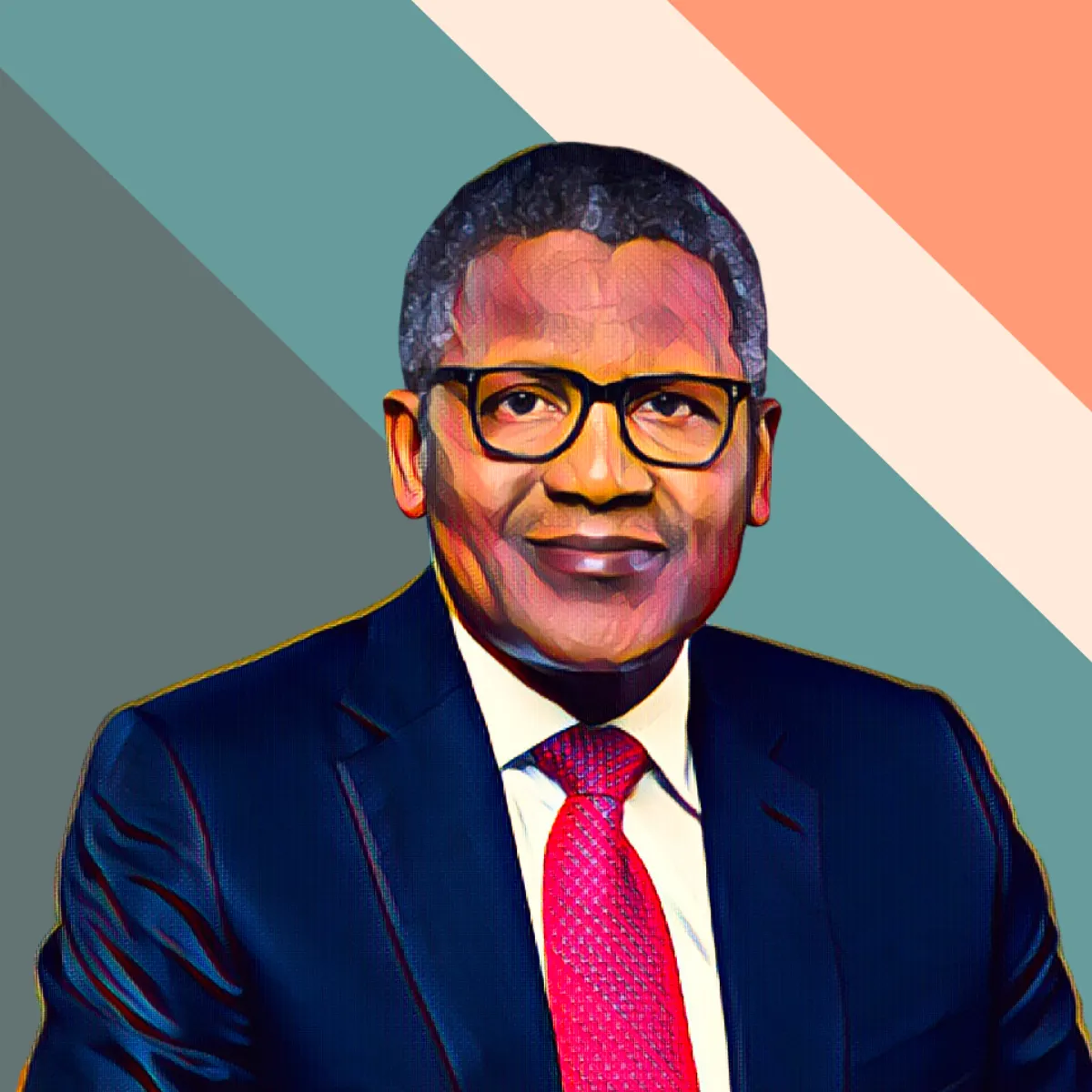
Dangote, 69, is Africa's richest person, with a net worth of $55.4 billion, according to Forbes. He controls about 87% of Dangote Cement, mostly through Dangote Industries Ltd., and his $20 billion oil refinery near Lagos is preparing to list on the Nigerian Exchange after an initial public offering that drew about three times the money it sought.
Rabiu, 66, founded BUA Group, a conglomerate with interests in cement, sugar, flour and pasta, and controls about 97.7% of BUA Cement directly and through BUA Industries Ltd. He also controls Lagos-listed BUA Foods Plc and is one of Africa's richest people.
Figures were converted at ₦1,365 to the dollar.
The intelligence satisfies curiosity. The paid briefings satisfy strategy.
Every Monday, Elite subscribers receive an Investor Memo breaking down the deal, the structure and the positioning behind the week's most consequential African wealth story — the kind of analysis that doesn't appear anywhere else.
Twice a month, a Wealth Intelligence brief profiles a single billionaire's holdings, cash flows and expansion pipeline in detail no public source matches.
→ Executive ($25/mo): Daily newsletter + Deep-Dive Reports
→ Elite ($75/mo): Everything above + Investor Memos + Wealth Intelligence + Quarterly Analyst Briefings
Subscribe now