

Table of Contents
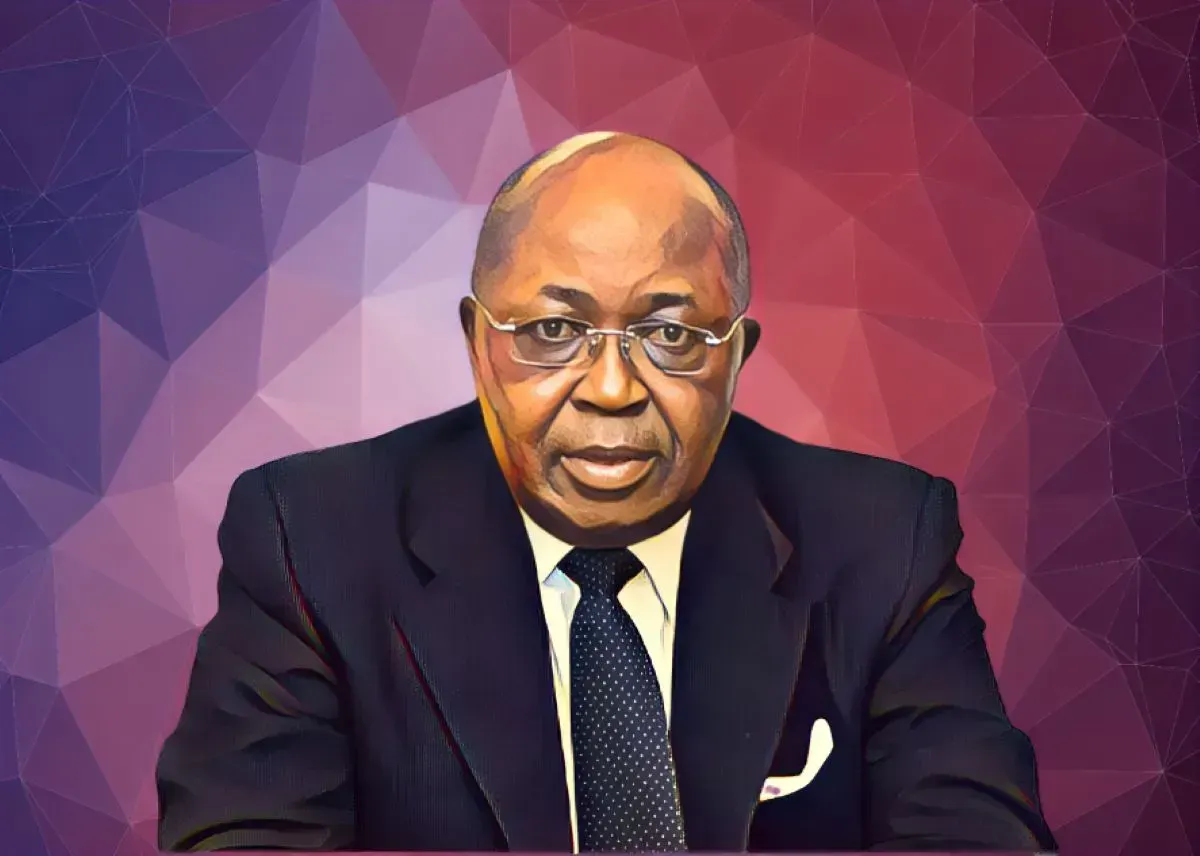
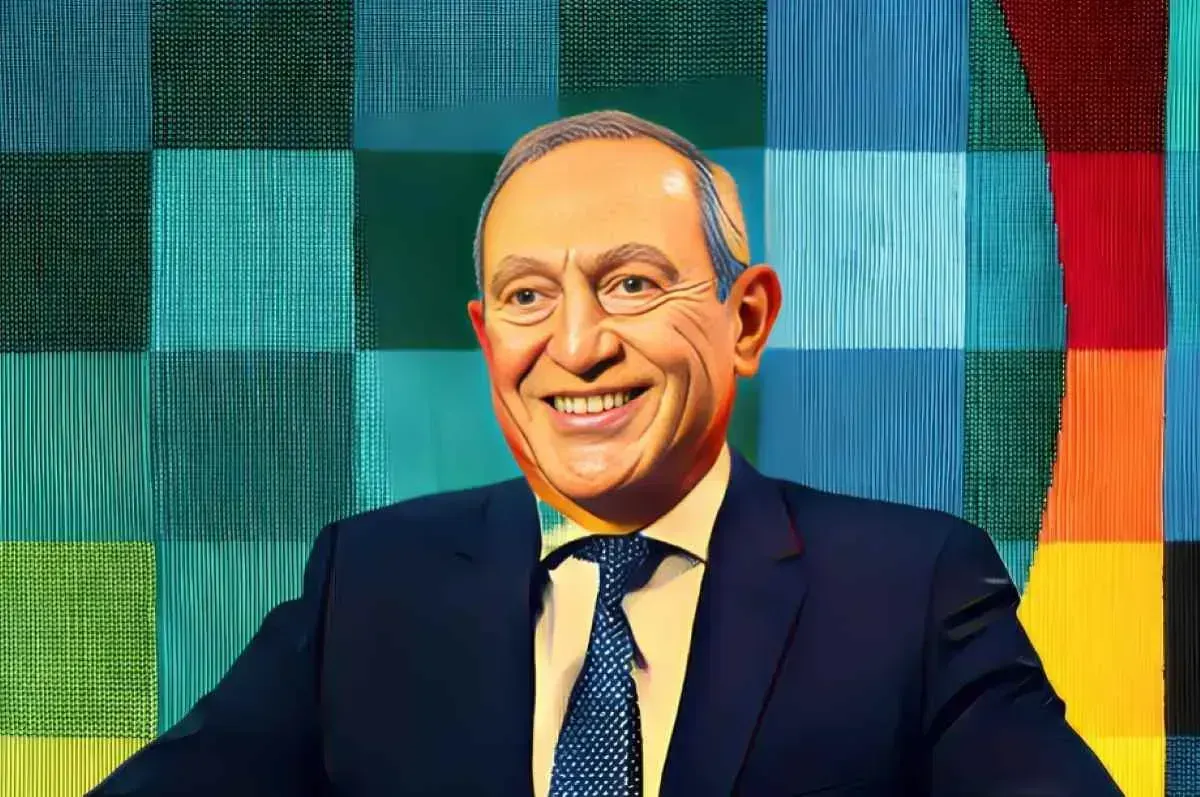
Atedo Peterside, the Nigerian banker who founded the lender that became Stanbic IBTC, said President Bola Tinubu's economic reforms have made the country's wealthy richer while leaving most Nigerians worse off.
"The rich are getting richer, the poor are getting poorer," Peterside said in a television interview on Nov. 3. "If you ask a rich man, he'll tell you it's working because he is getting richer. In fact, if you ask a very rich man, he'll tell you the reforms are fantastic."
Peterside, 71, said his own investment income had gone up, but that this was not a fair measure of how the economy was doing. "My concern is for the 140, 130 million Nigerians who are poor, who are getting poorer effectively," he said. "The government carried out all these reforms but never put in place adequate safety nets for the very poor."
Tinubu removed Nigeria's costly fuel subsidy and let the naira trade more freely soon after taking office in May 2023. Investors who own shares and other financial assets have done well since then, while salaried workers have struggled with higher prices. The Nigerian Exchange gained 348% in Tinubu's first three years, as its market value rose from about ₦30.38 trillion to ₦160.09 trillion ($117 billion). The government has paid ₦658.9 billion ($483 million) in cash transfers to 10.46 million poor households, though the World Bank has pointed to gaps in coverage and in the size and regularity of payments.
A regional divide
"High poverty in Nigeria is largely a zonal problem," Peterside said. Only 12 states and the Federal Capital Territory, most of them in the southwest, have poverty rates below 50%, he said, while every state in the northwest and northeast is above that level. He said officials who spend most of their time in Lagos and Abuja may underestimate how hard life has become elsewhere.
Peterside repeated the argument on Nov. 3 at the Oxford Global Think Tank Leadership Conference in Abuja, where he said Nigeria should aim for annual growth of at least 10%, compared with about 4% now. He blamed corruption and political patronage for holding back investment, said some regulators burden small businesses with arbitrary demands, and described abuses in government procurement, including inflated contracts, as "legalised theft."
Sanusi and Oteh weigh in
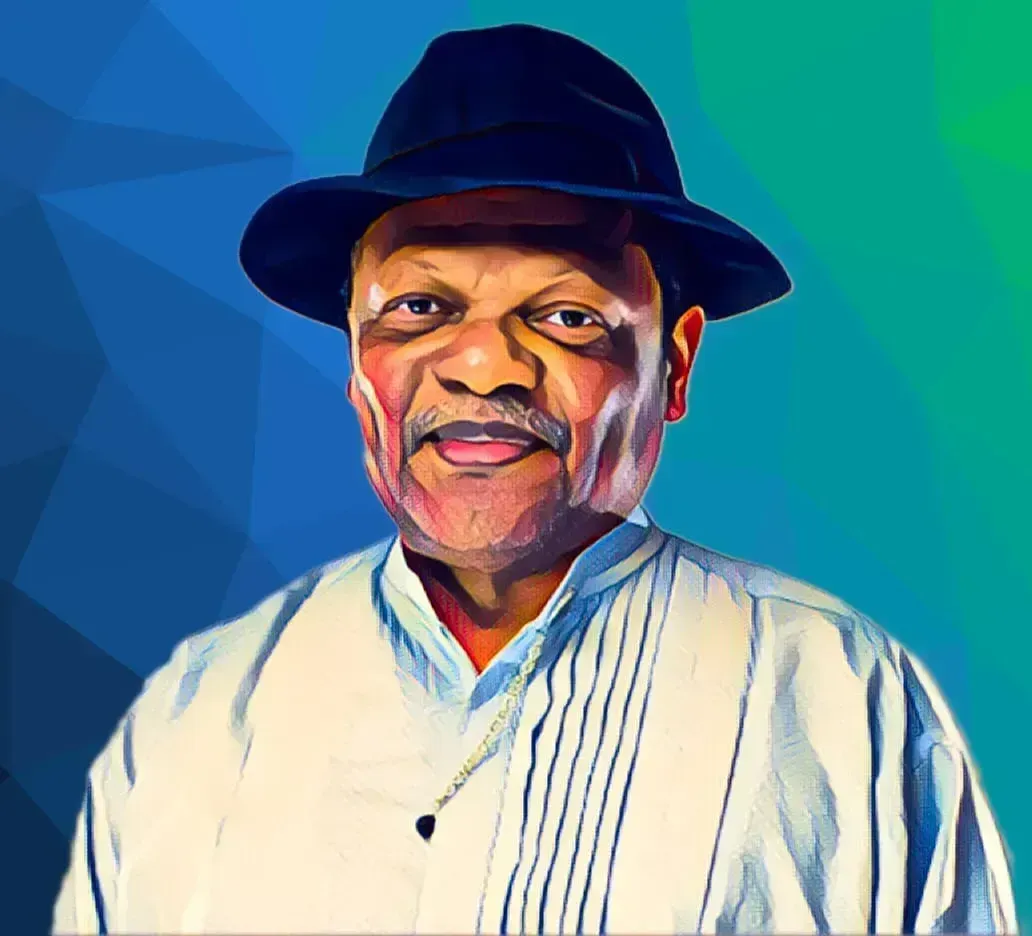
Muhammadu Sanusi II, the Emir of Kano and a former governor of the Central Bank of Nigeria, told the same conference that growth of about 4.5% can hide worsening conditions for households. Nigeria's output per person has fallen since 2023, he said, because the economy has not grown fast enough to keep up with the population and the naira has lost value. He said removing subsidies and adjusting the exchange rate were not enough on their own, warned against relying on volatile portfolio inflows, and called for more spending on infrastructure and better economic data.
Arunma Oteh, a former director-general of the Securities and Exchange Commission who convened the conference, called for more ordinary Nigerians to invest in the stock market and for pension funds to put more money into infrastructure and other productive projects. She cited interest from international investors in the planned share sale by Aliko Dangote's oil refinery as a sign that Nigeria's capital market can draw money from abroad.
Akinwumi Adesina, a former president of the African Development Bank, said Africa's young people could drive growth if governments invest in their education, skills and health.
From IBTC to Standard Bank
Peterside founded Investment Banking & Trust Co. in Lagos in 1989 and ran it for 18 years. The bank merged with Standard Bank Group Ltd.'s Nigerian unit in 2007 to form Stanbic IBTC, which he chaired until 2017. He was also chairman of Cadbury Nigeria Plc for a decade and sat on the boards of Standard Bank Group and The Standard Bank of South Africa until he retired in June 2024. He owns 150 million shares in Stanbic IBTC Holdings Plc and runs the Anap Foundation, a governance group he set up in 2003.
Figures were converted at ₦1,365 to the dollar.
The intelligence satisfies curiosity. The paid briefings satisfy strategy.
Every Monday, Elite subscribers receive an Investor Memo breaking down the deal, the structure and the positioning behind the week's most consequential African wealth story — the kind of analysis that doesn't appear anywhere else.
Twice a month, a Wealth Intelligence brief profiles a single billionaire's holdings, cash flows and expansion pipeline in detail no public source matches.
→ Executive ($25/mo): Daily newsletter + Deep-Dive Reports
→ Elite ($75/mo): Everything above + Investor Memos + Wealth Intelligence + Quarterly Analyst Briefings
Subscribe now