

Table of Contents
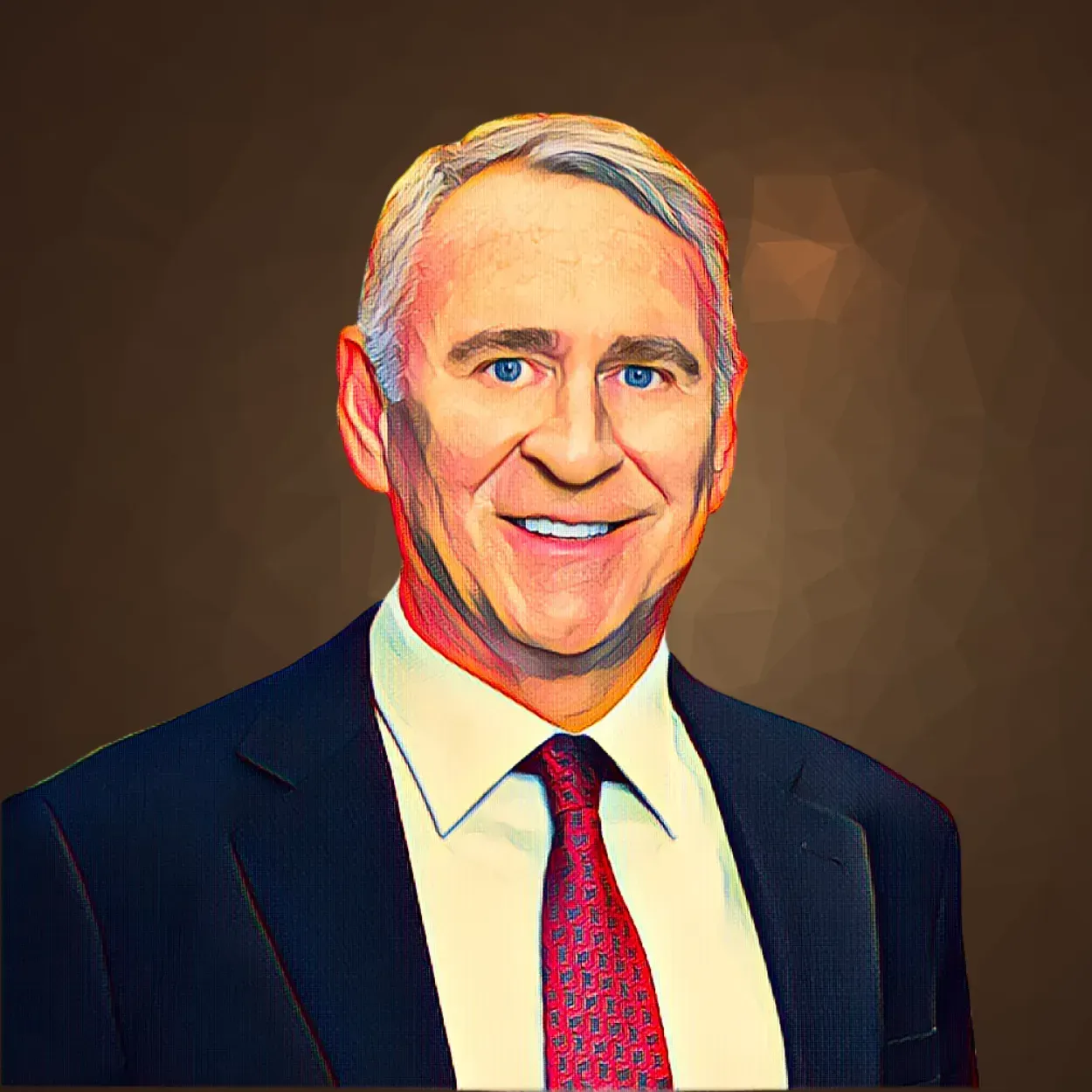
American billionaire Ken Griffin has spent more than $5.3 billion building his presence in Miami since relocating his financial empire from Chicago in 2022, turning the hedge fund founder into one of the most influential private investors in the Florida city.
The spending, examined in a November 16 report by the Financial Times, extends beyond luxury property. It includes a new corporate headquarters, political contributions, philanthropic commitments and a major university investment that are increasingly shaping Miami's economic and civic landscape.
Griffin, the founder of Citadel and Citadel Securities, moved the headquarters of both firms to Miami in 2022. The relocation marked a significant shift for Chicago, where Citadel had operated for decades, and placed one of America's most powerful financial institutions at the centre of South Florida's expanding financial sector.
His property investments have been particularly extensive. Griffin has assembled residential holdings in some of Miami's most expensive neighbourhoods and acquired all 138 units in a Brickell condominium development. He is also developing a $2.5 billion waterfront tower intended to serve as Citadel's new headquarters.
The project reflects his ambition to establish Miami as a major destination for global finance. Citadel's presence has helped strengthen the city's appeal to financial professionals and businesses considering a move away from traditional centres such as New York and Chicago.
Education has become another major part of his investment in the city. In September, Griffin pledged $3 billion to Carnegie Mellon University, the largest individual gift in the history of higher education. Of the commitment, $2 billion is earmarked for a new Miami campus, while the remaining $1 billion will support the university's existing operations in Pittsburgh.
The proposed campus in Miami's Wynwood neighbourhood is expected to focus on research in artificial intelligence, healthcare, national security, energy and advanced manufacturing. Construction is scheduled to begin in 2027, with the first students expected in 2028, subject to regulatory approvals.
Griffin has also committed substantial resources to healthcare and local institutions. His contribution to Baptist Health South Florida's neuroscience institute reached $75 million in October after an additional $25 million donation. The institute is being developed as a major centre for neurological research, treatment and education.
His political involvement has grown alongside his financial commitments. Griffin has contributed tens of millions of dollars to Florida politicians and political organisations, giving him a prominent voice in debates over the state's economic direction, education and public policy.
That influence has attracted both praise and scrutiny. Supporters point to the employment, investment and institutional development associated with his spending. Critics, however, question the extent to which a single wealthy individual can shape the priorities of a rapidly changing city.
Miami's affordability challenges have also become more pronounced as wealthy residents and investors move into the region. Rising property prices and living costs have intensified concerns about the growing divide between high-income newcomers and residents who have lived in the city for generations.
Griffin's investments therefore represent more than a personal property and philanthropy portfolio. They illustrate how private capital can influence the development of an entire city, from its skyline and universities to its political institutions.
For the Citadel founder, Miami has become much more than a new headquarters location. It is increasingly the centre of a financial, philanthropic and property empire whose influence extends well beyond Wall Street.
The intelligence satisfies curiosity. The paid briefings satisfy strategy.
Every Monday, Elite subscribers receive an Investor Memo breaking down the deal, the structure and the positioning behind the week's most consequential African wealth story — the kind of analysis that doesn't appear anywhere else.
Twice a month, a Wealth Intelligence brief profiles a single billionaire's holdings, cash flows and expansion pipeline in detail no public source matches.
→ Executive ($25/mo): Daily newsletter + Deep-Dive Reports
→ Elite ($75/mo): Everything above + Investor Memos + Wealth Intelligence + Quarterly Analyst Briefings
Subscribe now