

Table of Contents
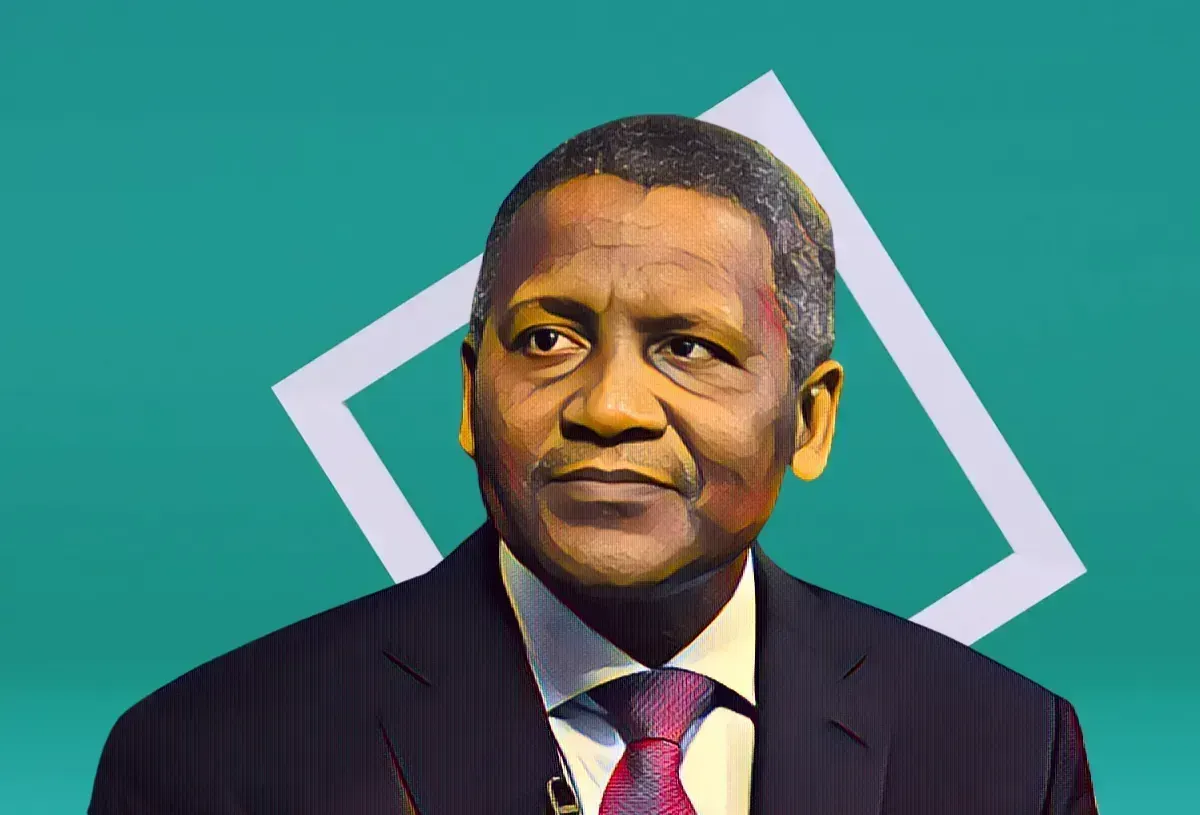
Kenya will exempt imported equipment for Nigerian billionaire Aliko Dangote’s $16 billion Lamu refinery from several taxes, Treasury Secretary John Mbadi said on Tuesday, in the clearest statement yet of what the government’s special economic zone incentives will mean for the project.
The exemptions will cover capital goods brought into the country to build the refinery, including value-added tax, excise duty and the railway development levy, Bloomberg reported. Mbadi said the investment qualifies under Kenyan law, which gives tax exemptions to projects with capital investment above Ksh5 billion, roughly $40 million. “Any capital goods that they are bringing will attract the tax exemption as any other, and there will be a formal request,” he said.
That caveat matters because the incentives are not yet fully defined. Kenya’s Special Economic Zones Authority has placed the planned Dangote East Africa Petroleum Refinery inside the Lamu Port-South Sudan-Ethiopia-Transport (LAPSSET) Special Economic Zone, BusinessDay reported. Officials have not disclosed the exact concessions, their duration or their financial value.
The refinery is designed to process up to 700,000 barrels of crude a day, which would make it one of the world’s largest single-site refineries. The complex will also include a 1,000-megawatt power plant and units making petrochemicals and fertilizers. Dangote has hired Engineers India on a $450 million engineering contract, and Honeywell is providing technology, licensing and equipment support. Dangote and President William Ruto attended a sod-turning ceremony on Sept. 30, with completion targeted for about 2030.
Ownership remains a live question. Bloomberg reported that Kenya has discussed taking a 10% stake worth about $500 million, citing presidential economic adviser David Ndii, and that Dangote has offered East African governments a combined 30% stake worth about $1.5 billion. Yet a Dangote Group representative told Kenya’s Public-Private Partnership committee that a private company was developing, financing, owning and operating the refinery, with no public equity contribution. Kenya’s Treasury acknowledged the refinery benefits from special-zone incentives, according to Ecofin Agency.
Legal challenges continue. The committee dismissed a petition from the Consumers Federation of Kenya on Oct. 30, ruling the group had not proved the refinery was a public-private partnership, though the decision left questions about state equity unresolved. A group of 133 Lamu residents has separately challenged the project in court, arguing it threatens their property rights and livelihoods, and others are contesting how land was allocated.
Commercial hurdles also remain. Kenya has no significant commercial oil output, so the plant will depend on regional or imported crude, and Dangote still has to raise project finance and build fuel distribution pipelines. The next signals to watch are the formal tax-exemption request and the final terms of any Kenyan government stake.
The intelligence satisfies curiosity. The paid briefings satisfy strategy.
Every Monday, Elite subscribers receive an Investor Memo breaking down the deal, the structure and the positioning behind the week's most consequential African wealth story — the kind of analysis that doesn't appear anywhere else.
Twice a month, a Wealth Intelligence brief profiles a single billionaire's holdings, cash flows and expansion pipeline in detail no public source matches.
→ Executive ($25/mo): Daily newsletter + Deep-Dive Reports
→ Elite ($75/mo): Everything above + Investor Memos + Wealth Intelligence + Quarterly Analyst Briefings
Subscribe now