


Table of Contents
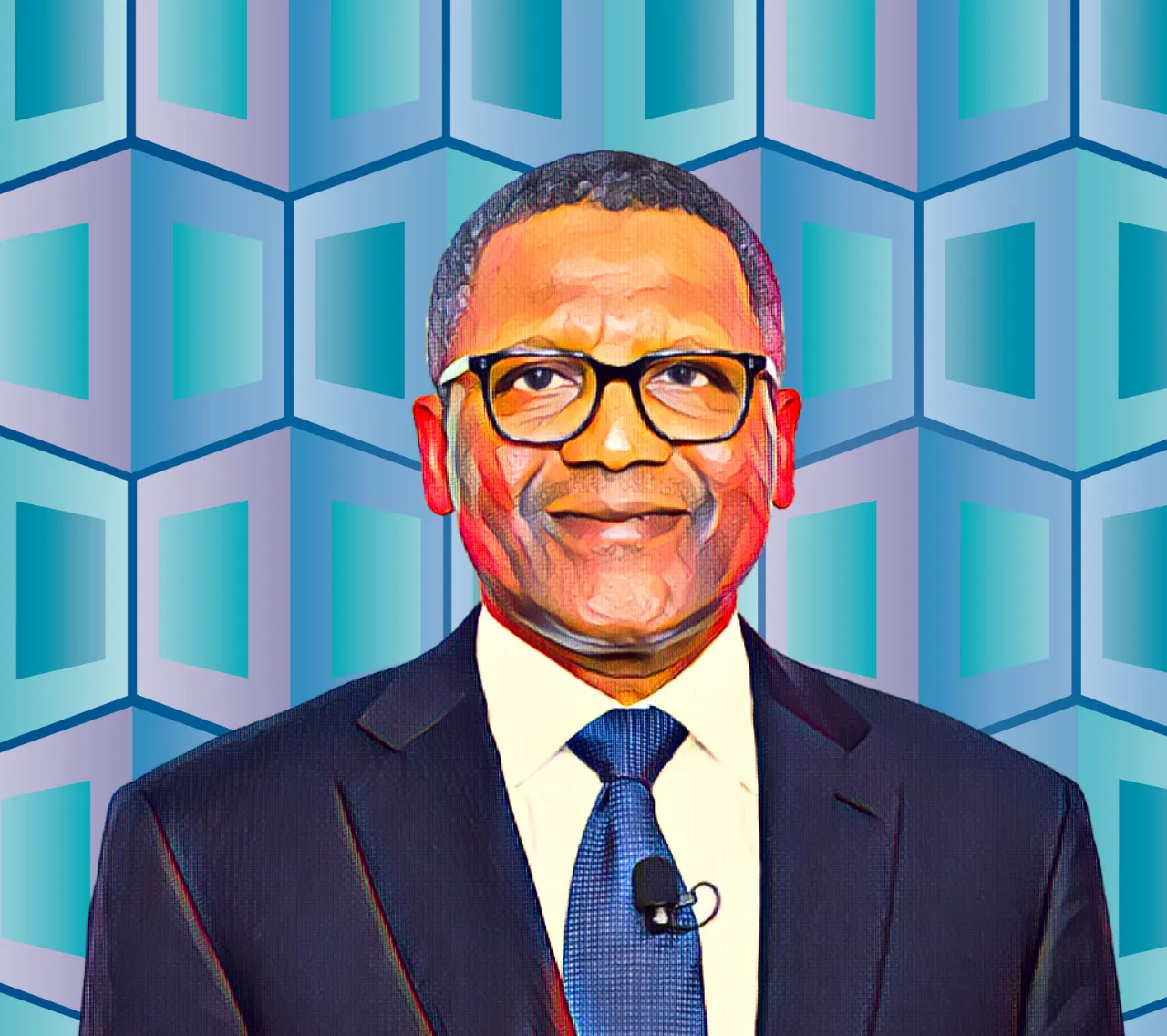
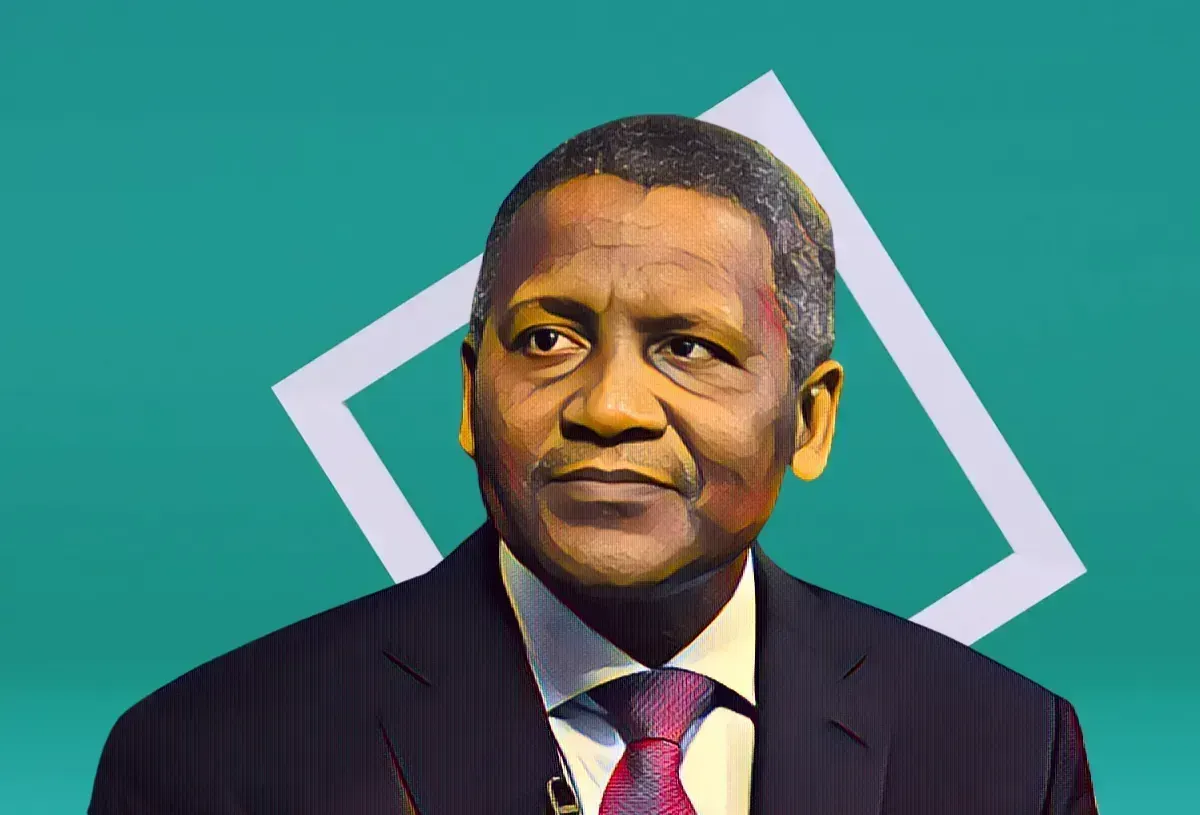
Nigerian logistics tycoon Taiwo Afolabi has urged investors to channel more resources into agricultural storage and distribution infrastructure, arguing that increased food production will deliver limited economic benefits without efficient systems for preserving and moving produce.
Afolabi, chairman of SIFAX Group, made the call at the 2026 Annual Strategy Retreat of Odu’a Investment Company Limited, held at the International Institute of Tropical Agriculture in Ibadan, Oyo State.
Represented by SIFAX Group’s Deputy Director of Strategy and Operations, Oliver Omajuwa, Afolabi said agricultural logistics investments were necessary to connect production centres with processing facilities, retail markets and export channels.
He identified cold rooms, temperature-controlled transportation and strategically located warehouses as important infrastructure for reducing gaps between agricultural production and consumers.
“Increased production would yield limited economic benefits without adequate infrastructure for aggregation, preservation, storage and distribution,” he said.
Afolabi identified warehousing, transportation, agricultural aggregation, cold-chain services, technology and specialised logistics as areas where investors could find opportunities across the agricultural value chain. He urged them to assess existing infrastructure gaps before committing capital to new projects.
His recommendations also addressed the investment strategy of Odu’a Investment Company, which has interests in several businesses. He advised the company to assess the transportation, storage and distribution requirements of its portfolio businesses, suggesting that their combined needs could support the development of a shared logistics platform.
Such an arrangement could provide a coordinated system for moving and storing goods across the companies, rather than requiring each business to develop separate logistics infrastructure.
Beyond agriculture, Afolabi highlighted opportunities across Nigeria’s port and maritime logistics sector. He said investment possibilities extended beyond terminal operations to cargo handling, freight forwarding, customs clearing, equipment maintenance, storage and export consolidation.
He argued that integrating these services could simplify cargo movement and allow customers to access several logistics solutions through fewer service providers.
Afolabi also encouraged investors to consider greenfield projects, acquisitions and strategic partnerships with established operators. He said the appropriate approach would depend on their financial capacity, technical expertise and the opportunities available in the market.
Technology, he added, should form part of investment decisions across the logistics industry. He pointed to cargo tracking, inventory management and operational monitoring systems as tools that could improve efficiency, visibility and service delivery.
However, he cautioned against treating ownership of physical assets as a guarantee of commercial success. Buying trucks, constructing warehouses or acquiring equipment, he said, would not automatically make a logistics business profitable.
Afolabi founded SIFAX Group in 1988. The Nigerian conglomerate has expanded from its shipping and logistics roots into aviation, maritime services, haulage, oil and gas, hospitality and other business areas.
Its aviation interests include Skyway Aviation Handling Company, while its maritime operations include Ports and Cargo Handling Services. The group has also pursued expansion across African markets and other international locations.
His comments at the Odu’a retreat place agricultural logistics alongside the wider infrastructure needs of Nigeria’s transport and trade sectors, highlighting the role of storage, distribution and technology in connecting producers to domestic and international markets.
The remarks did not include an announcement of a new SIFAX agricultural storage project or a specific investment commitment.
The intelligence satisfies curiosity. The paid briefings satisfy strategy.
Every Monday, Elite subscribers receive an Investor Memo breaking down the deal, the structure and the positioning behind the week's most consequential African wealth story — the kind of analysis that doesn't appear anywhere else.
Twice a month, a Wealth Intelligence brief profiles a single billionaire's holdings, cash flows and expansion pipeline in detail no public source matches.
→ Executive ($25/mo): Daily newsletter + Deep-Dive Reports
→ Elite ($75/mo): Everything above + Investor Memos + Wealth Intelligence + Quarterly Analyst Briefings
Subscribe now