


Table of Contents
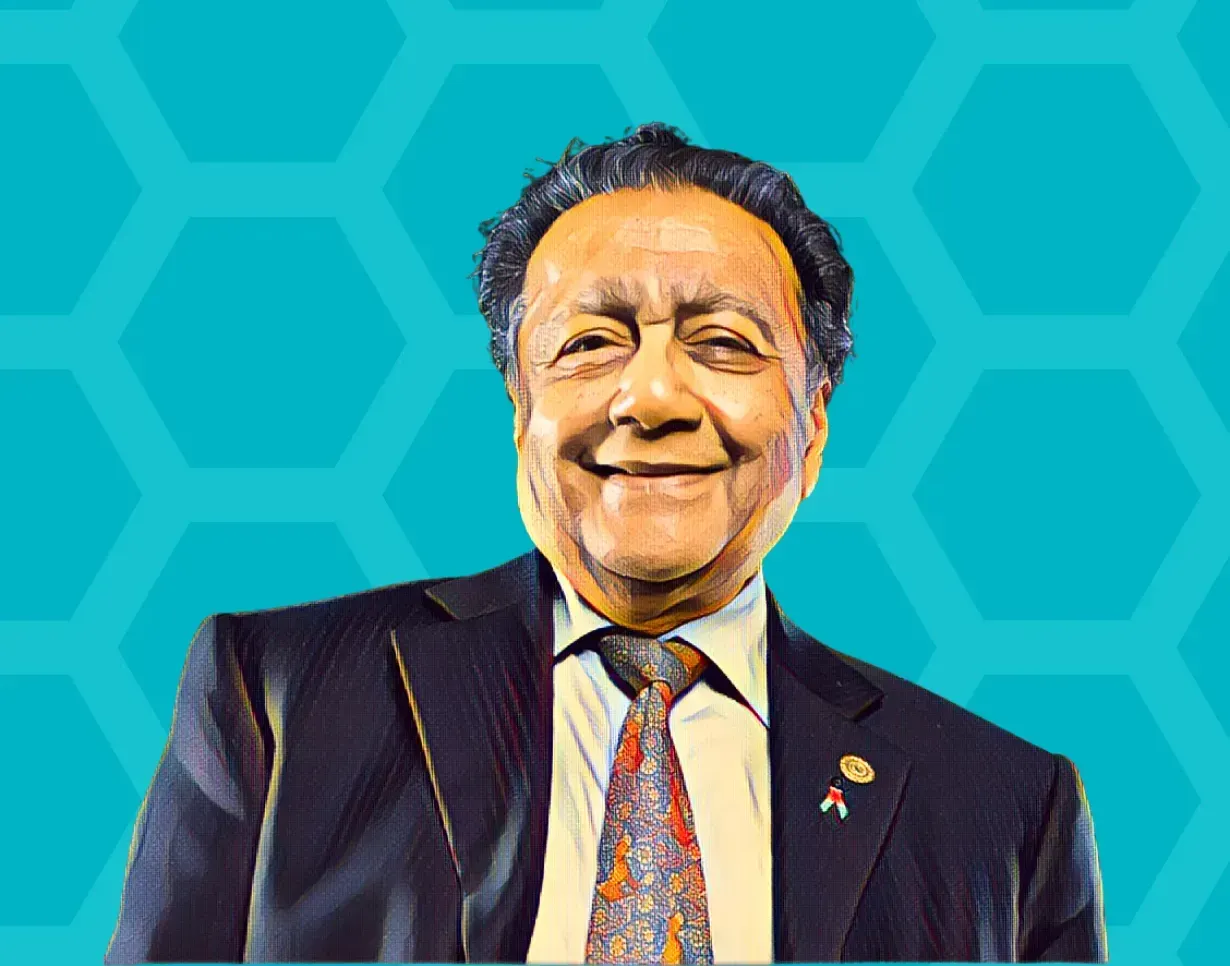
Somali tycoon Ismail Ahmed, the founder of money-transfer company WorldRemit, has launched Odola, a US financial app for migrants who earn in America and support relatives abroad, putting an initial $5 million of his own money into the venture.
Odola went live on Nov. 24 and is open to eligible US customers on iOS and Android, subject to identity checks. Ahmed has said he plans to invest more in the company, which he co-founded with Abdigani Diriye, a computer scientist who previously worked on artificial intelligence at Amazon.com Inc. and IBM.
One account for pay and remittances
The app combines a salary account, a Visa debit card and international transfers, so users can receive their wages, spend and send money home without a separate remittance service. A feature called Early Salary Release lets eligible customers reach their pay up to two days early, for example when rent or an emergency payment to family falls due before payday.
Odola is a technology company, not a bank. Its banking services are provided by Lead Bank, a member of the Federal Deposit Insurance Corp., which also issues the Odola Visa debit card.
The company plans to add secured charge cards in the coming months to help migrants build a US credit history without needing one first. Balances on the cards will be paid in full each month. Investment products for goals such as children's education and retirement are due in 2027 and will not be held with Lead Bank.
Ahmed said in an interview on Nov. 24 that rising oil prices and living costs are putting more pressure on migrant workers, and that the number of emergency payments they send home has climbed from about eight a year to an average of four a month, a rise he linked to messaging services.
A $1 trillion market
The United States is home to more than 52 million migrants and is the largest source of remittance outflows in the world. The United Nations Development Programme projected last year that global remittances would reach $1 trillion a year by the end of the decade.
Odola has no layer of middle management. Its leaders work directly with AI tools instead of running large teams, which the founders say will keep the company small and allow it to charge lower fees.
From whistleblower to founder
Ahmed grew up in Hargeisa in Somaliland and sent money home from part-time jobs, including fruit picking, while studying in England. Nearly three decades ago he was among the first researchers to study remittances to the Horn of Africa.
He later worked for the United Nations and reported fraud in a UN remittance program. He used the compensation he received from the UN to help start WorldRemit in London in 2010. The company, later renamed Zepz, grew to serve more than 130 countries and was valued at $5 billion.
The intelligence satisfies curiosity. The paid briefings satisfy strategy.
Every Monday, Elite subscribers receive an Investor Memo breaking down the deal, the structure and the positioning behind the week's most consequential African wealth story — the kind of analysis that doesn't appear anywhere else.
Twice a month, a Wealth Intelligence brief profiles a single billionaire's holdings, cash flows and expansion pipeline in detail no public source matches.
→ Executive ($25/mo): Daily newsletter + Deep-Dive Reports
→ Elite ($75/mo): Everything above + Investor Memos + Wealth Intelligence + Quarterly Analyst Briefings
Subscribe now