


Table of Contents
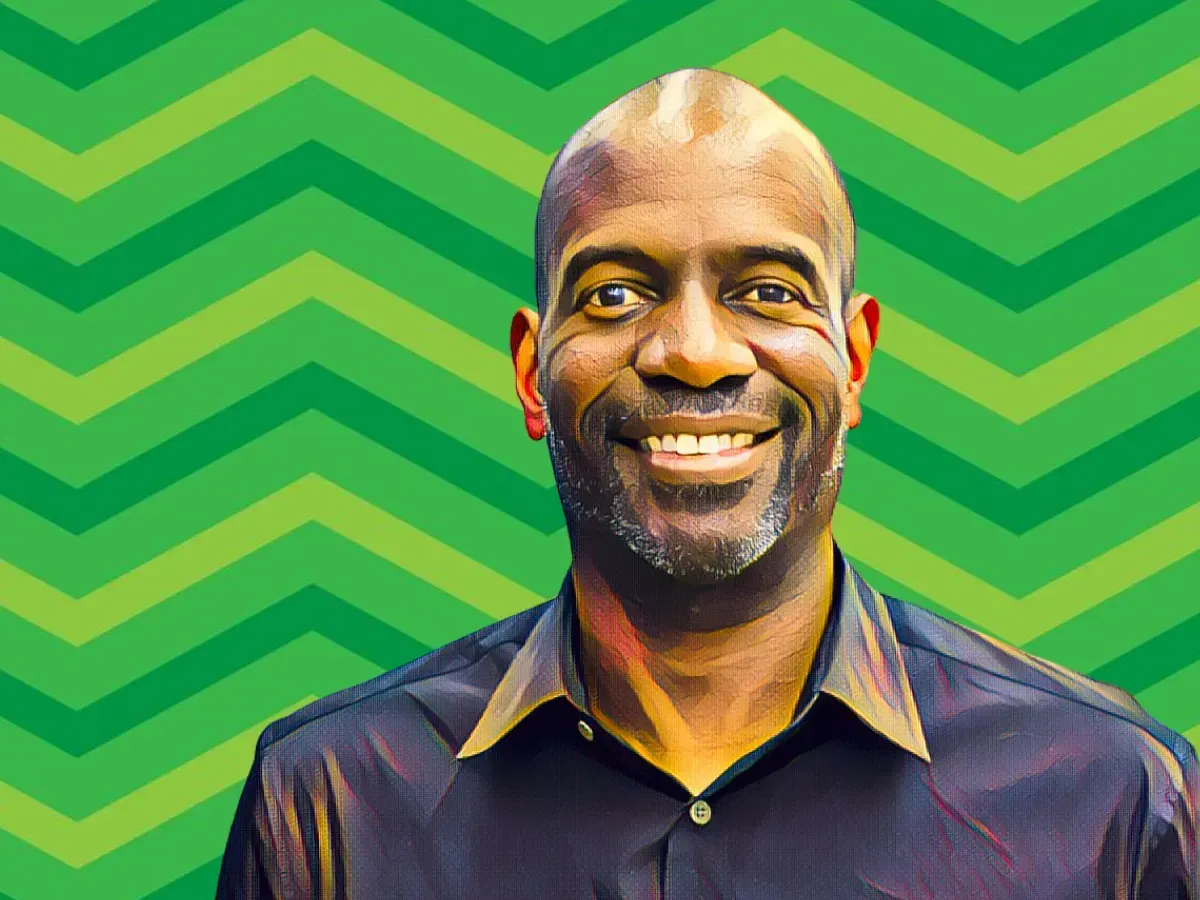
Laurence "Lo" Toney does not fit the standard venture capital archetype. He did not found a startup, sell it for nine figures and pivot into investing. His path was different, and arguably harder. Over nearly three decades, he moved through some of the most operationally complex organizations in American business, learning what makes platforms scale, what erodes marketplace trust and what separates a strong founding team from one that eventually breaks under pressure.
That accumulated experience now sits at the foundation of Plexo Capital, the San Francisco-based firm he built to back emerging fund managers developing corners of the venture market that more established players have consistently overlooked. The firm is a rare construction in the sector: part fund-of-funds, part direct investor, structured with an institutional rigor that reflects Toney's years inside GV, eBay and Nike. His career, traced across seven organizations, tells a precise story about how operational depth becomes investment conviction. These are the companies behind that story.
The technology executive turned venture capitalist
1. Plexo Capital
Plexo Capital is the firm that crystallized everything that came before it. Spun out of GV with Google's backing, it functions both as a fund-of-funds and a direct equity platform. Toney built it specifically to invest in emerging venture capital managers, particularly those with access to markets that mainstream capital has historically underfunded. The model works at two levels: by backing the funds themselves and by taking direct positions in high-potential startups. Its structure remains rare in the institutional landscape, and it stands as the primary vehicle through which Toney now deploys both capital and influence.
2. GV (Google Ventures)
Before Plexo existed on paper, Toney spent time at GV as a Venture Partner. That stint was where the concept for his own firm was first incubated. At GV, he gained direct exposure to how a technology-linked investment vehicle makes decisions at scale, how data shapes portfolio construction, and where structural gaps in the broader venture market sit. He identified an unmet need: a dedicated firm backing seed-stage managers who were being passed over by the existing institutional framework. GV gave him the platform and the credibility to act on it.
From consumer platforms to investment strategy
3. Zynga
Toney joined Zynga during a period of rapid expansion that culminated in a public listing. As General Manager, he ran cross-functional teams overseeing some of the company's most widely played social gaming titles. The experience gave him a firsthand view of IPO preparation and the operational cost of maintaining a massive global user base. He left with a practical understanding of what it takes to scale a consumer product under market pressure, a reference point he draws on when evaluating late-stage startup growth.
4. eBay
At eBay, Toney held senior leadership roles with direct P&L responsibility across categories generating billions in gross merchandise volume. His focus centered on liquidity and platform trust, two variables that are easier to take for granted than to protect. When either breaks down in a marketplace business, recovery is slow and expensive. That operating experience gave him an analytical lens that few investors from purely financial backgrounds can replicate.
5. Comcast Interactive Media
Toney worked at Comcast Interactive Media during a period when the cable industry was confronting the scale of what the internet would eventually do to its model. He was involved in developing and scaling digital products across a subscriber base running into the millions, work that refined his ability to anticipate shifts in consumer media behavior. That skill set directly informs how he evaluates infrastructure and software-layer opportunities today.
The early career foundations
6. Nike
As Director of Strategy at Nike Digital, Toney led initiatives that helped the athletic giant build an early direct-to-consumer digital capability. The work placed him at the intersection of brand, commerce and technology at a moment when those three forces were beginning to collide. Nike was learning how to maintain its identity while cultivating a direct digital relationship with its customers. Toney helped shape the strategic framework for that transition, and it gave him a durable model for how legacy brands absorb disruption without losing their core.
7. Art.com
Early in his career, Toney held an executive role at Art.com, one of the first major players in online specialty retail. He handled business development and strategic partnerships, helping position the company as a serious force in e-commerce before the category had fully defined itself. It was an early, practical lesson in how digital distribution displaces traditional retail, a thesis he would return to repeatedly as a venture investor evaluating consumer-facing startups in the decades that followed.
Toney continues to shape the venture capital sector through Plexo Capital, advocating for more transparent capital allocation while building out a portfolio of emerging managers and direct investments. His model, rooted in three decades of operational experience across consumer platforms, digital media and marketplace businesses, is well positioned as institutional appetite grows for funds that combine diverse access with rigorous investment discipline.
The intelligence satisfies curiosity. The paid briefings satisfy strategy.
Every Monday, Elite subscribers receive an Investor Memo breaking down the deal, the structure and the positioning behind the week's most consequential African wealth story - the kind of analysis that doesn't appear anywhere else.
Twice a month, a Wealth Intelligence brief profiles a single billionaire's holdings, cash flows and expansion pipeline in detail no public source matches.
→ Executive ($25/mo): Daily newsletter + Deep-Dive Reports
→ Elite ($75/mo): Everything above + Investor Memos + Wealth Intelligence + Quarterly Analyst Briefings
Subscribe now