

Table of Contents
Othman Benjelloun has been waiting more than a decade to see his rocket reach the sky. In April 2026, it finally did.
The Mohammed VI Tower, a 250-metre skyscraper on the right bank of the Bouregreg River in Sale, opened to the public after 8 years of construction and a total cost of $700 million, making it the tallest building in Morocco and the 3rd tallest on the African continent. Crown Prince Moulay El Hassan inaugurated it on the orders of King Mohammed VI, touring the lobby, a model apartment and the Waldorf Astoria hotel that now occupies part of the building's upper floors before arriving at the observatory at the summit.
The view from there stretches across Rabat and Sale simultaneously, taking in the ramparts, kasbahs and ancient gates of both cities. On a clear day, the tower is visible from 50 kilometres away. It now defines a skyline that, until recently, was defined by minarets.
The building, Bloomberg reported on April 21, was inspired by the rocket that put a man on the moon. Premium Times
Benjelloun visited NASA in 1962 and saw the Saturn V rocket being prepared for what would become the Apollo 12 mission. The image never left him. When he unveiled the tower's design in 2014, he was explicit about what he had in mind. "A tower that I wanted represented by a rocket," he said at the time. "This rocket will carry thousands of executive members and employees of the BMCE group to space."
What he built, eventually, is considerably more than a headquarters.
What is inside
The tower spans 102,800 square metres across 55 storeys and rises from a 4-level podium that, together with the main shaft, creates the stepped rocket-launch-pad silhouette that gives the building its visual identity. The design is the work of Spanish architect Rafael de la Hoz and Hakim Benjelloun.
The 55-room Waldorf Astoria hotel sits within the tower, along with prime office space, 30 high-end residential apartments, a conference hall, retail shops, restaurants and the panoramic observatory at the top. Punch
The building is served by 38 lifts and includes 4 technical terraces.
The engineering challenge was considerable. The tower rests on foundations extending 60 metres deep, built from 104 concrete barrettes designed to withstand both seismic activity and flooding from the Bouregreg River. Punch
An advanced harmonic damping system was installed to maintain stability and comfort on the upper floors. The building incorporates 3,900 square metres of photovoltaic panels and delivers a 40% energy saving compared to a conventional structure of similar scale, with an installed capacity of 11.6 MVA. madagascar-tribune
Belgian construction firm BESIX delivered the tower on March 30, working under a Design and Build contract awarded in 2018 through a joint venture with Moroccan contractor TGCC. The contract covered design, engineering, procurement, construction, facades, electromechanical systems, finishes and furniture.
Who Benjelloun is
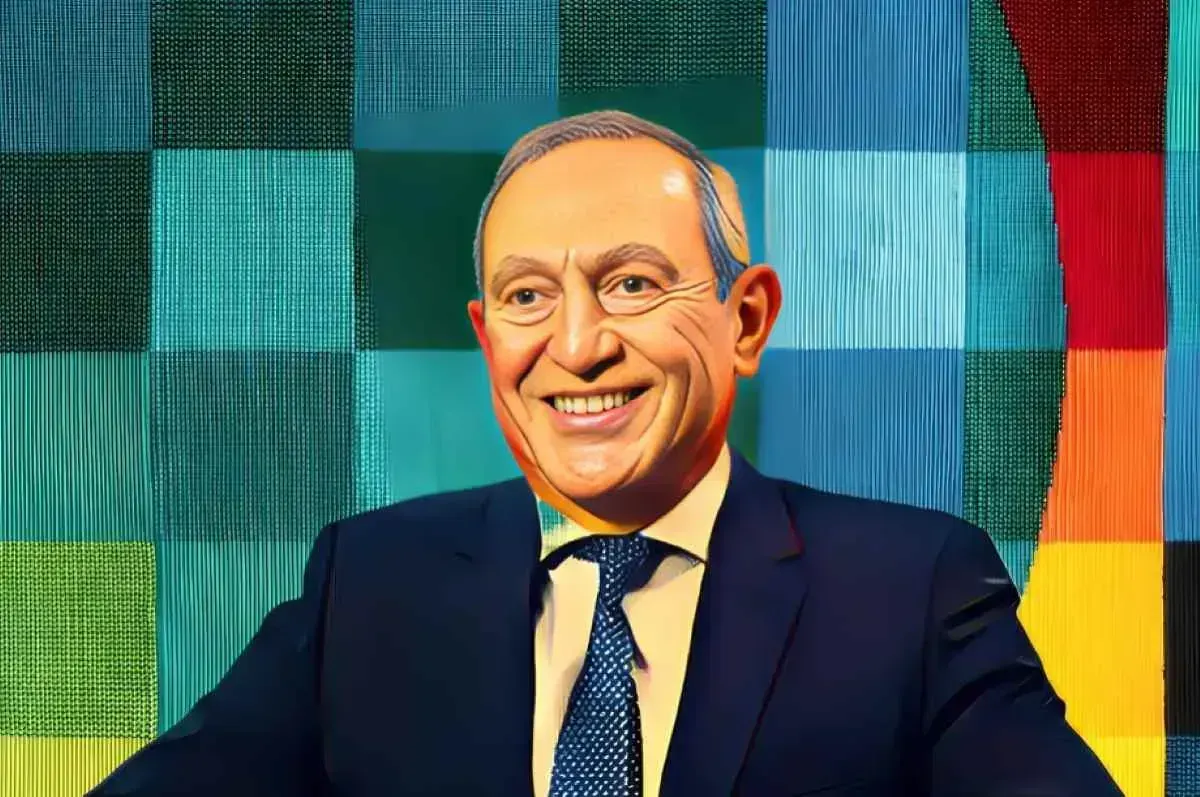
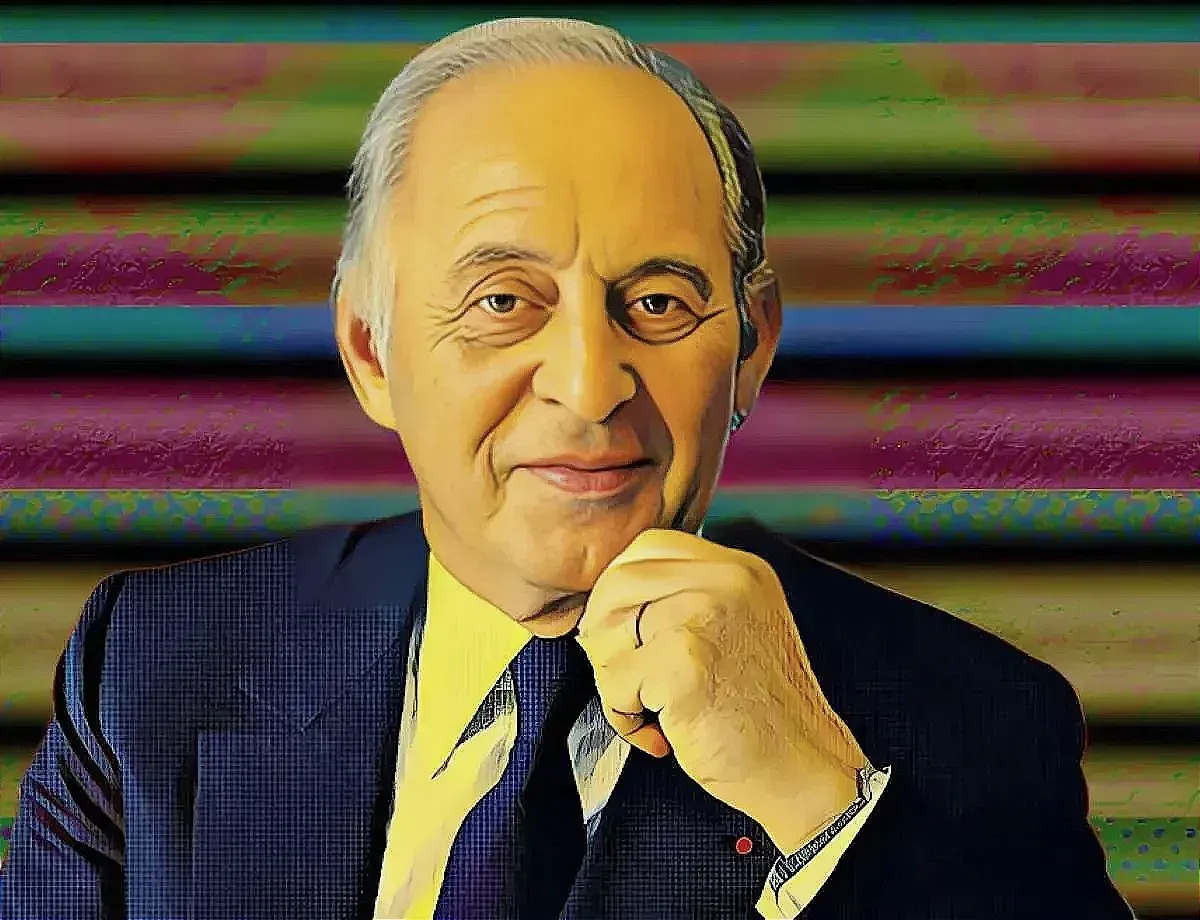
Othman Benjelloun is 93 years old and Morocco's richest man, with a net worth Forbes estimated at $1.7 billion in 2026, placing him 18th on the African billionaires list. He studied engineering at the Ecole Polytechnique Federale de Lausanne in Switzerland. His father held a stake in RMA, a Moroccan insurance company, which Benjelloun eventually took over and built into RMA Watanya, Morocco's leading insurer.
From insurance, he moved into banking. He co-founded BMCE Bank and expanded it aggressively across the continent through the acquisition of Bank of Africa, a multinational group with origins in Mali. The combined entity, now operating as Bank of Africa, is present in more than 12 African countries with assets exceeding $12 billion.
His holding company, FinanceCom, now largely operating under O Capital Group, also holds a stake in Orange Morocco, the local arm of the French telecom operator. He was for years chairman of Meditelecom. His group is separately part of a project to develop a multibillion-dollar technology city in Tangier designed to host around 200 Chinese companies.
The Mohammed VI Tower was originally conceived in 2013 as a project anchored by BMCE Bank's own office space needs. Over the course of its development it expanded into a full mixed-use landmark. O Tower, the subsidiary Benjelloun created to own and manage it, sits within O Capital Group.
The Rabat context
The tower forms part of the broader Bouregreg Valley development scheme, a central component of the "Rabat, City of Light, Moroccan Capital of Culture" programme launched under the king. 2424.mg
Rabat has historically attracted far fewer international visitors than Marrakech, Fez or Agadir, a gap that officials have been working to close through cultural investment and new hospitality infrastructure. Rabat was named UNESCO World Book Capital for 2026. Zaha Hadid designed the Grand Theatre of Rabat, one of Africa's largest performing arts spaces, on the same stretch of the Bouregreg valley. A Four Seasons occupying a restored 18th-century sultan's palace has opened nearby. A Hilton is expected before the end of 2026.
Morocco is co-hosting the 2030 FIFA World Cup alongside Spain and Portugal, and received 19.8 million tourists in 2025, a 14% increase. The tower opens at a moment when the country is actively converting infrastructure investment into tourism narrative.
At 250 metres, it still sits well behind Egypt's Iconic Tower in the New Administrative Capital, which stands at 393.8 metres, and behind the Tour F in Abidjan, which is designed to reach 421 metres when complete. Within Morocco, nothing else comes close.
The intelligence satisfies curiosity. The paid briefings satisfy strategy.
Every Monday, Elite subscribers receive an Investor Memo breaking down the deal, the structure and the positioning behind the week's most consequential African wealth story - the kind of analysis that doesn't appear anywhere else.
Twice a month, a Wealth Intelligence brief profiles a single billionaire's holdings, cash flows and expansion pipeline in detail no public source matches.
→ Executive ($25/mo): Daily newsletter + Deep-Dive Reports
→ Elite ($75/mo): Everything above + Investor Memos + Wealth Intelligence + Quarterly Analyst Briefings
Subscribe now