

Table of Contents
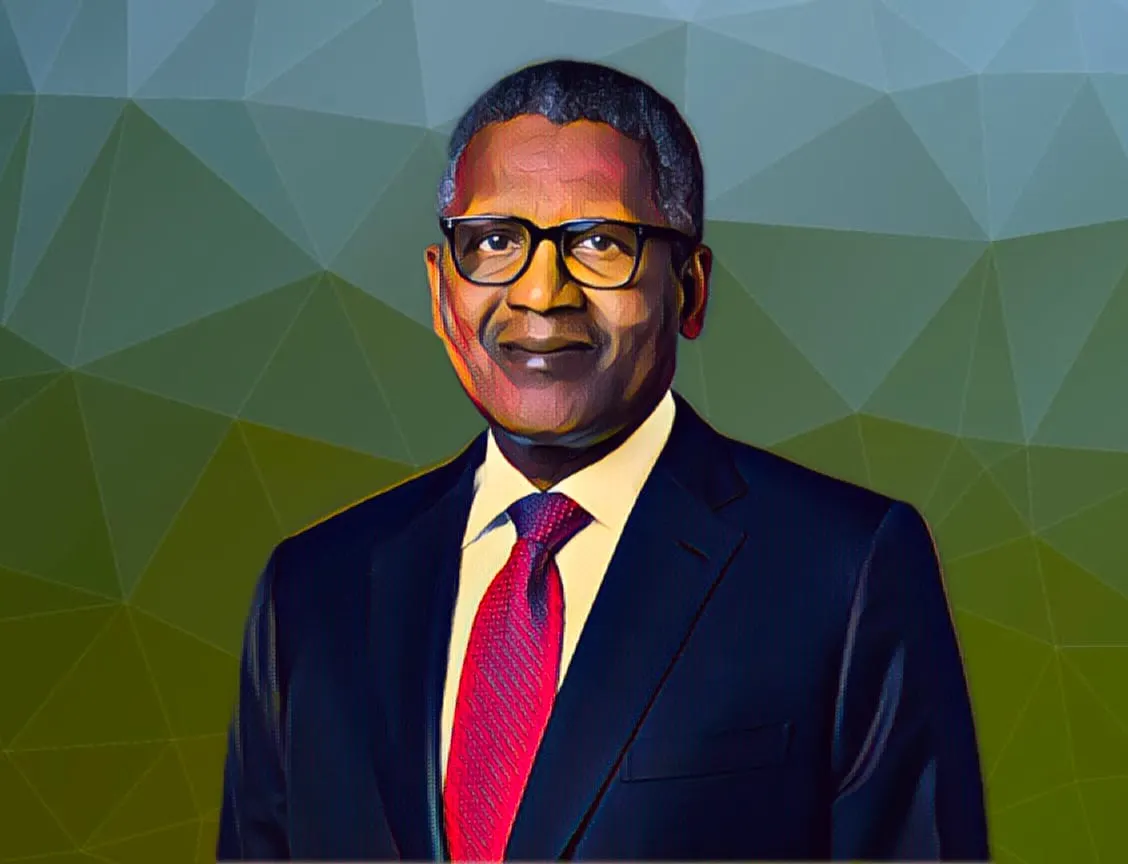
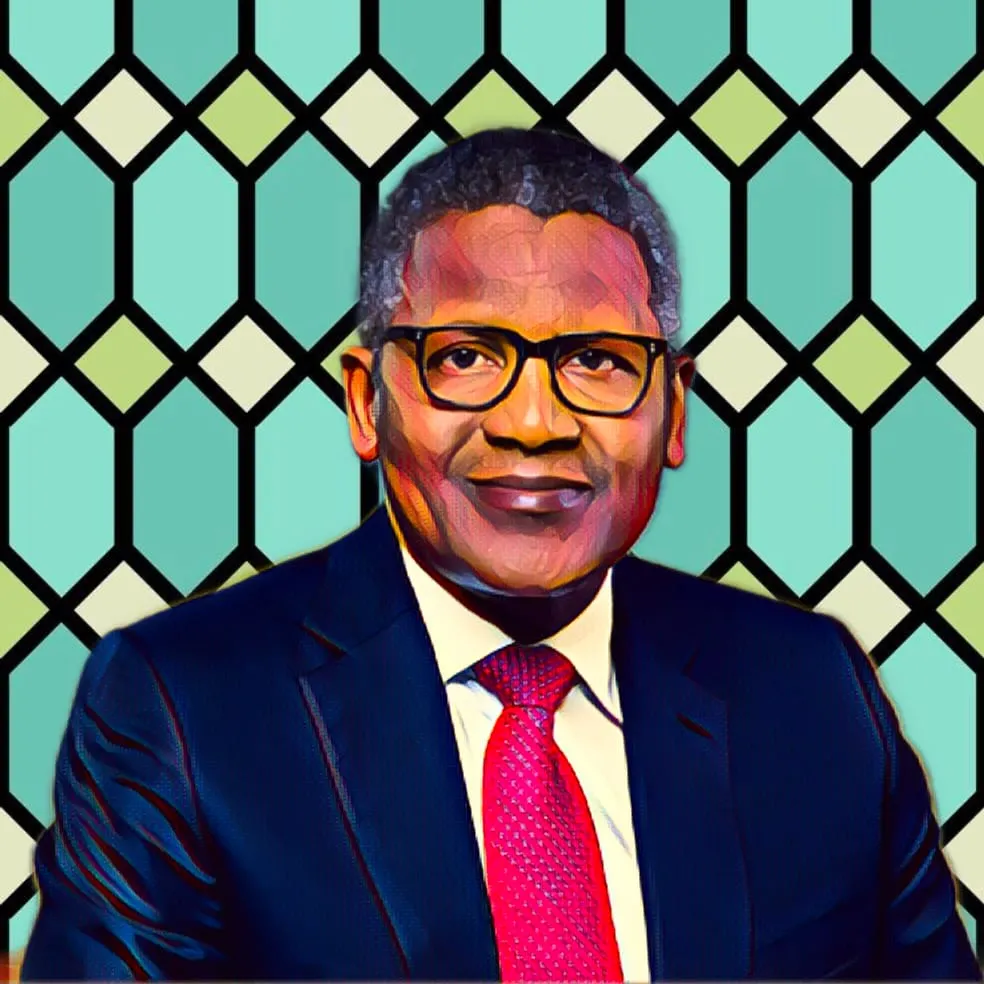
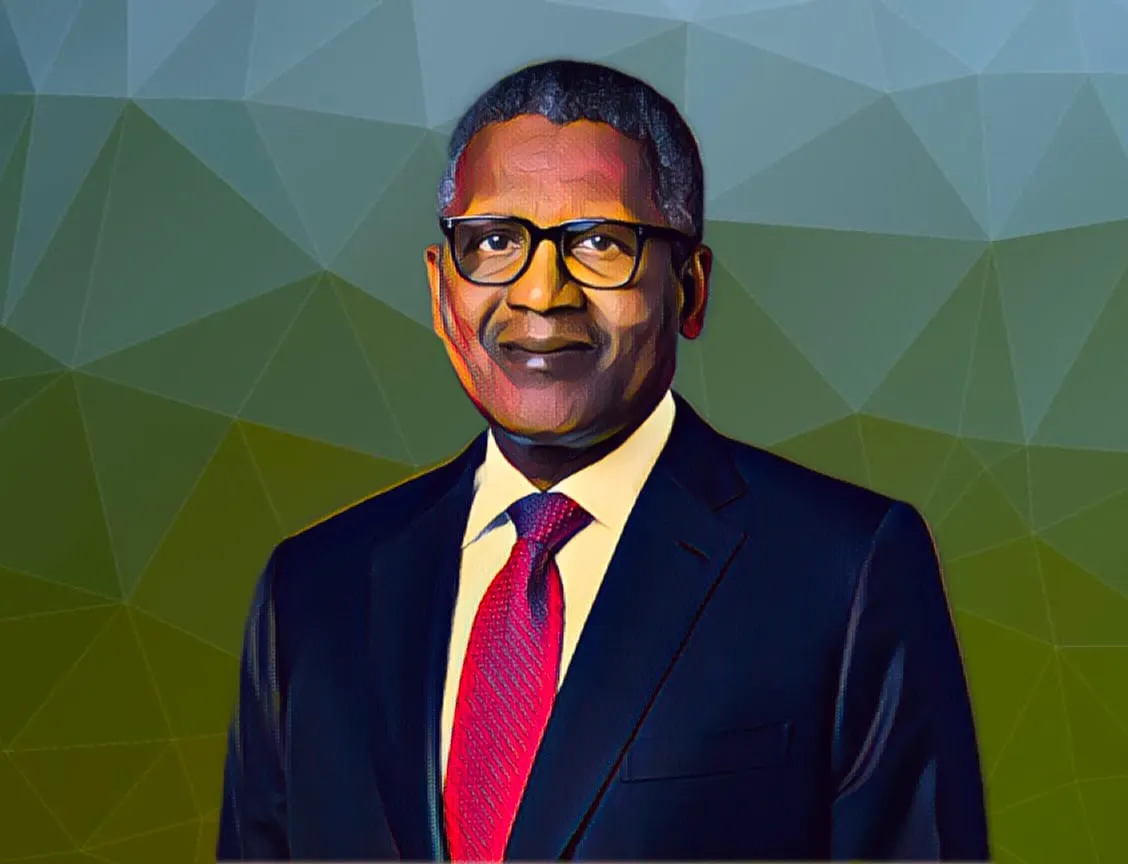
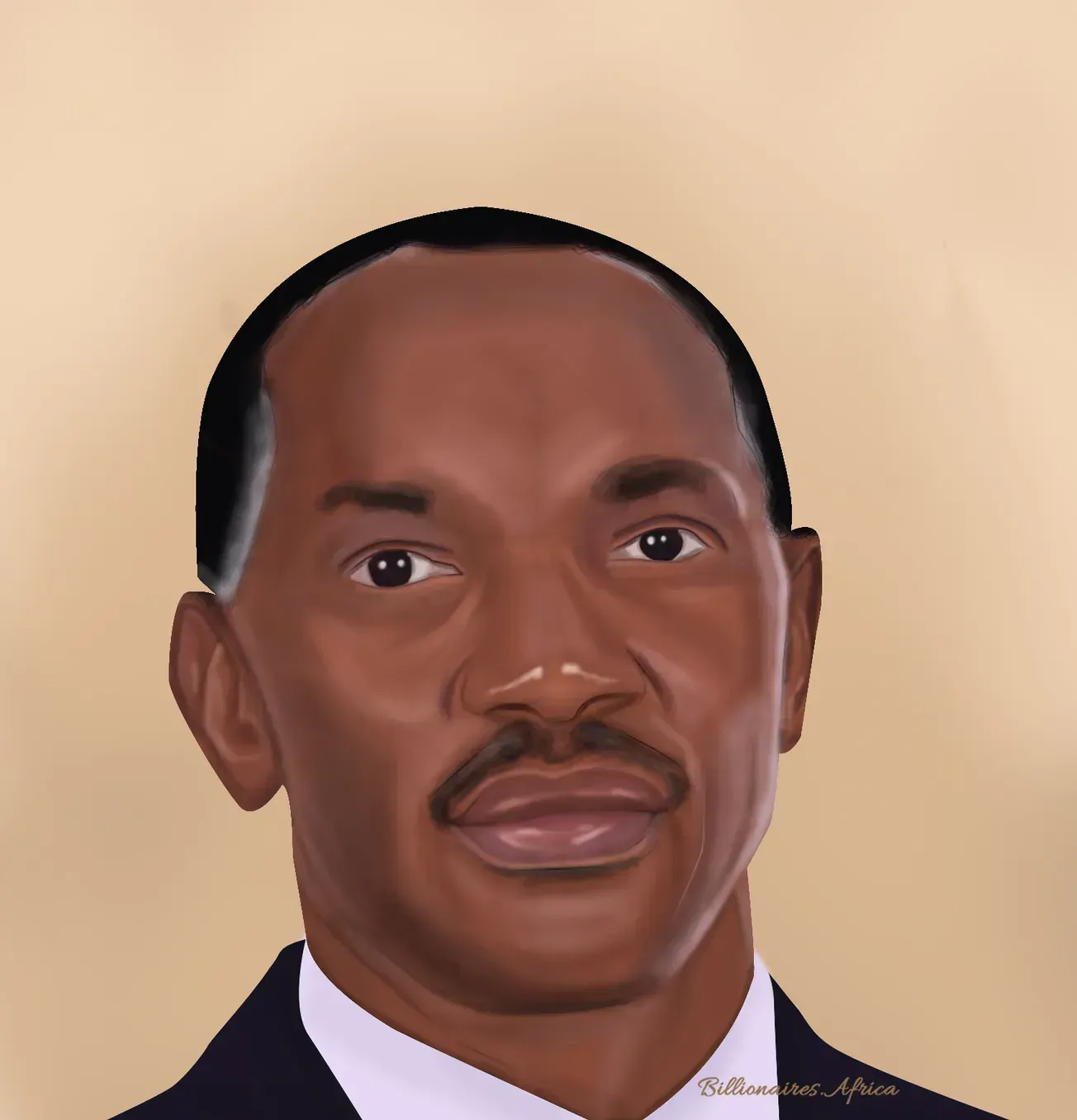
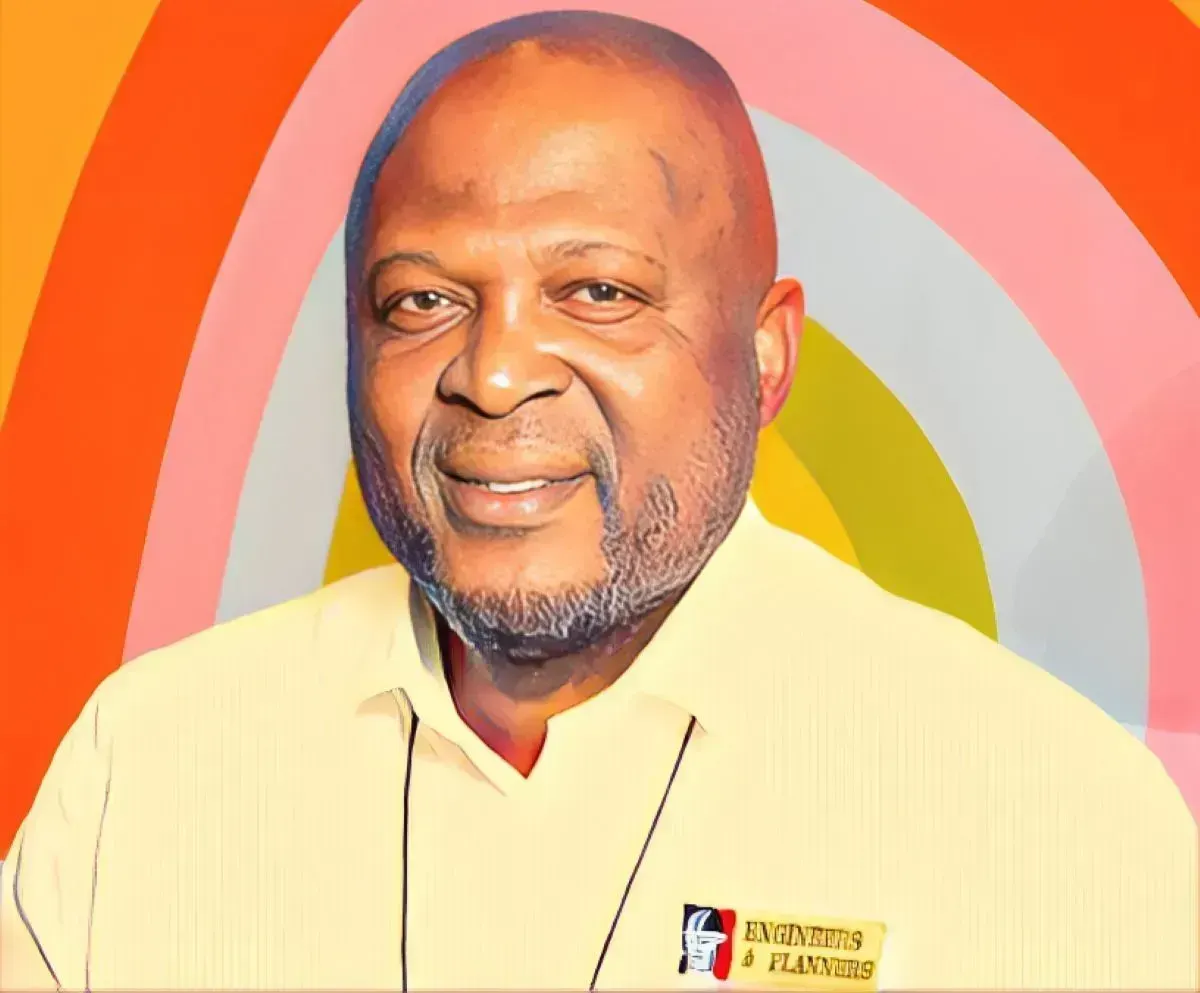
Ibrahim Mahama did not inherit a mining empire. He built one with earth-moving equipment, patience and a conviction that Ghanaians should own, not merely service, the mines beneath their own soil.
Born on January 29, 1971, in Piase, in the Northern Region of Ghana, to Emmanuel Adama Mahama, who served as the first Minister of State of the Northern Region under Ghana's founding president, Kwame Nkrumah. The political pedigree was there. The business instinct had to be developed elsewhere.
He left for the United Kingdom to study at the College of North London, then stayed on in London working for a property development firm. It was unremarkable work, the kind that gives you a feel for capital allocation and project timelines without making your name. He returned to Ghana and, in 1997, founded Engineers and Planners. He was 26 years old.
The company started with contract mining and civil earthworks, moving earth for fees at a time when every major mining concession in Ghana was controlled by foreign operators. Engineers and Planners became the first Ghanaian firm to win major contracts at sites like Tarkwa, Damang, and Ahafo, projects previously dominated by foreign contractors. The fees stayed in Ghana. The engineers were Ghanaian. The equipment, over time, was assembled by Ghanaian hands on Ghanaian ground.
E&P today employs over 4,500 workers and has executed projects across mining, infrastructure and industrial development, with operations extending beyond Ghana into Liberia. It is the largest indigenously owned mining contractor in West Africa, a title that took nearly three decades of compounding to earn.
But Mahama was not content to stay a contractor forever. At the official handover ceremony of the Damang Mine in April 2026, he said: "After 30 years, I asked myself, can we just still be contractors? We can't do that."
Ghana's Ministry of Lands and Natural Resources awarded the Damang Mining Lease to Engineers and Planners on April 7, 2026, ending a 30-year run at the asset by South Africa's Gold Fields and marking what the government described as a landmark shift toward local ownership of the country's gold resources. To win the tender, E&P had to demonstrate access to at least $500 million in financing. It did. A feasibility study found the mine can sustain operations for approximately nine more years, with projected annual output of 100,000 to 150,000 ounces of gold.
The financing architecture behind the Damang acquisition rests, in part, on a landmark debt deal. Stanbic Bank Ghana and Standard Bank of South Africa arranged a $205 million syndicated loan for Engineers and Planners, in what ranks among the largest structured financings ever assembled for a wholly Ghanaian-owned company. Ecobank Ghana and Absa Bank Ghana joined as participating lenders.
The mining ambitions run deeper still. In October 2025, E&P acquired all issued shares of Azumah Resources Ghana and Upwest Resources, adding the Black Volta Gold Project to its portfolio. The acquisition covers 934 square kilometers and carries a defined resource of 2.8 million ounces of gold, with potential to more than double that figure. E&P has plans to invest approximately $1.2 billion in its Tarkwa and Damang operations.
Outside mining, Mahama has built quietly across other sectors. E&P has diversified into Dzata Cement, a wholly Ghanaian-owned cement processing plant in Tema with 2.6 million tonnes of annual capacity, as well as Man Bosch Ghana, which distributes Renault trucks, and large-scale poultry farming operations.
In January 2026, the University of Mines and Technology awarded Mahama an honorary doctorate in recognition of his contributions to mining, construction and philanthropy. The institution also established the Ibrahim Mahama Institute for Sustainable Processing of Precious, Critical and Green Minerals in his name.
Through the Joyce Tamakloe Cancer Foundation, he funds medical care for patients who cannot afford treatment, including cancer and kidney dialysis cases, and has covered tuition and living expenses for hundreds of Ghanaian students at home and abroad, often without publicity.
His net worth is estimated between $860 million and $1.2 billion, placing him among the wealthiest men in Ghana. He is married to Oona Mahama and has three children. His elder brother, John Dramani Mahama, returned to the Ghanaian presidency in January 2025.
The family connection has drawn scrutiny. The Damang transaction attracted examination because of Ibrahim Mahama's relationship with the sitting president, and Engineers and Planners filed a defamation suit against a policy analyst who raised concerns about political influence in the process. The government has maintained the tender was competitive and transparent.
What is not contested is the scale of what Mahama has built. He arrived back from London with an idea and no mines. Now he owns one.
The intelligence satisfies curiosity. The paid briefings satisfy strategy.
Every Monday, Elite subscribers receive an Investor Memo breaking down the deal, the structure and the positioning behind the week's most consequential African wealth story - the kind of analysis that doesn't appear anywhere else.
Twice a month, a Wealth Intelligence brief profiles a single billionaire's holdings, cash flows and expansion pipeline in detail no public source matches.
→ Executive ($25/mo): Daily newsletter + Deep-Dive Reports
→ Elite ($75/mo): Everything above + Investor Memos + Wealth Intelligence + Quarterly Analyst Briefings
Subscribe now