

Table of Contents
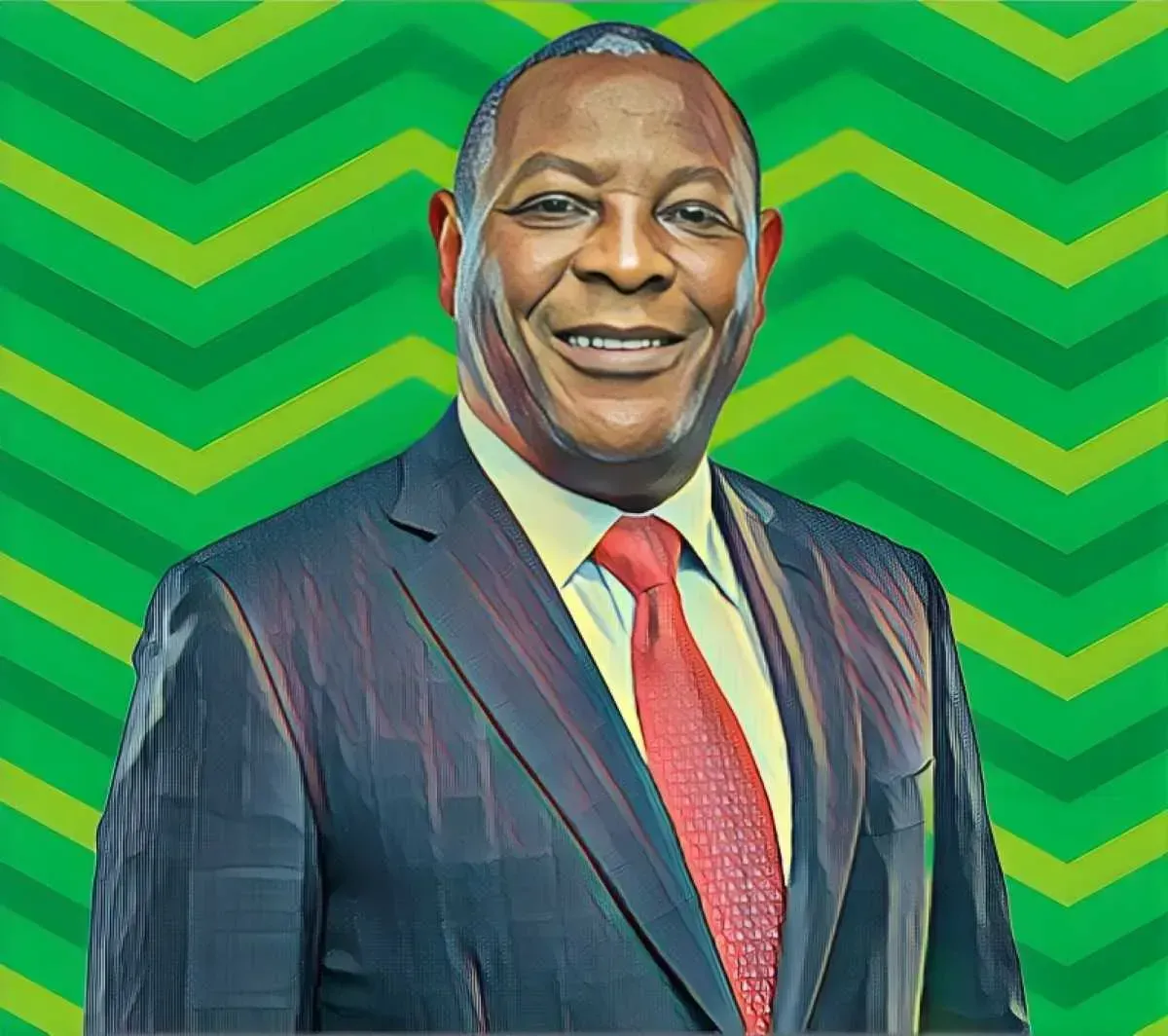
James Mwangi, the chief executive and managing director of Equity Group, told the Africa Forward Summit in Nairobi this week that African governments must address three fundamental structural barriers if they are serious about converting investor interest into committed capital during what he described as a critical window.
Speaking at the summit, which brought together heads of state, business leaders and financiers in Nairobi over two days, Mwangi identified fiscal credibility, regulatory predictability and infrastructure depth as the three areas requiring urgent government action. Without progress on all three simultaneously, he argued, Africa risks watching another decade of investor conferences produce little in the way of actual capital deployment.
The summit, held alongside a state visit by Kenyan President William Ruto, was attended by Moroccan Prime Minister Aziz Akhannouch, who represented King Mohammed VI, and drew delegates from across the continent and from international development finance institutions.
Mwangi was characteristically direct. He told attendees that foreign investors arrive in Africa with genuine interest but leave when they encounter the gap between the conditions presented in investment forums and the reality on the ground. Inconsistent tax policy, regulatory reversals and the absence of power and logistics infrastructure add risk premiums that make otherwise attractive opportunities unviable on a risk-adjusted basis.
He argued that the continent does not have a capital problem. African pension funds, sovereign wealth funds and development finance institutions collectively manage trillions of dollars in assets. The problem, he said, is structural: capital cannot be efficiently deployed into markets where the rules are not stable, where disputes cannot be resolved reliably and where physical infrastructure does not exist to support operations at scale.
Mwangi's comments came as Equity Group itself is executing what may be the most ambitious pan-African expansion strategy of any bank on the continent. The group has confirmed acquisition targets in Angola, Zambia and Mozambique as it pushes to build a 50-country, 50-million-customer institution. It currently operates across nine countries in East and Central Africa and has been profitable across its entire footprint for multiple consecutive years.
At the sideline of the summit, Mwangi also attended an event focused on linking Kenyan specialty tea farmers to premium global markets, underlining his argument that the investment framework for African agriculture requires both institutional reform and market access infrastructure to generate returns.
The Africa Forward Summit's declarations are being monitored to see whether the specific policy commitments made by governments in attendance will translate into legislation and regulatory action over the following months. Mwangi's position is that this conversion from declaration to implementation is the defining test of whether African governments are prepared to do what is necessary to win serious capital.
The intelligence satisfies curiosity. The paid briefings satisfy strategy.
Every Monday, Elite subscribers receive an Investor Memo breaking down the deal, the structure and the positioning behind the week's most consequential African wealth story - the kind of analysis that doesn't appear anywhere else.
Twice a month, a Wealth Intelligence brief profiles a single billionaire's holdings, cash flows and expansion pipeline in detail no public source matches.
→ Executive ($25/mo): Daily newsletter + Deep-Dive Reports
→ Elite ($75/mo): Everything above + Investor Memos + Wealth Intelligence + Quarterly Analyst Briefings
Subscribe now