

Table of Contents
The FDH Bank founder's legal odyssey stretched from a dramatic conviction in 2021 through bail, a pending Supreme Court appeal, and ultimately a presidential pardon that set him free
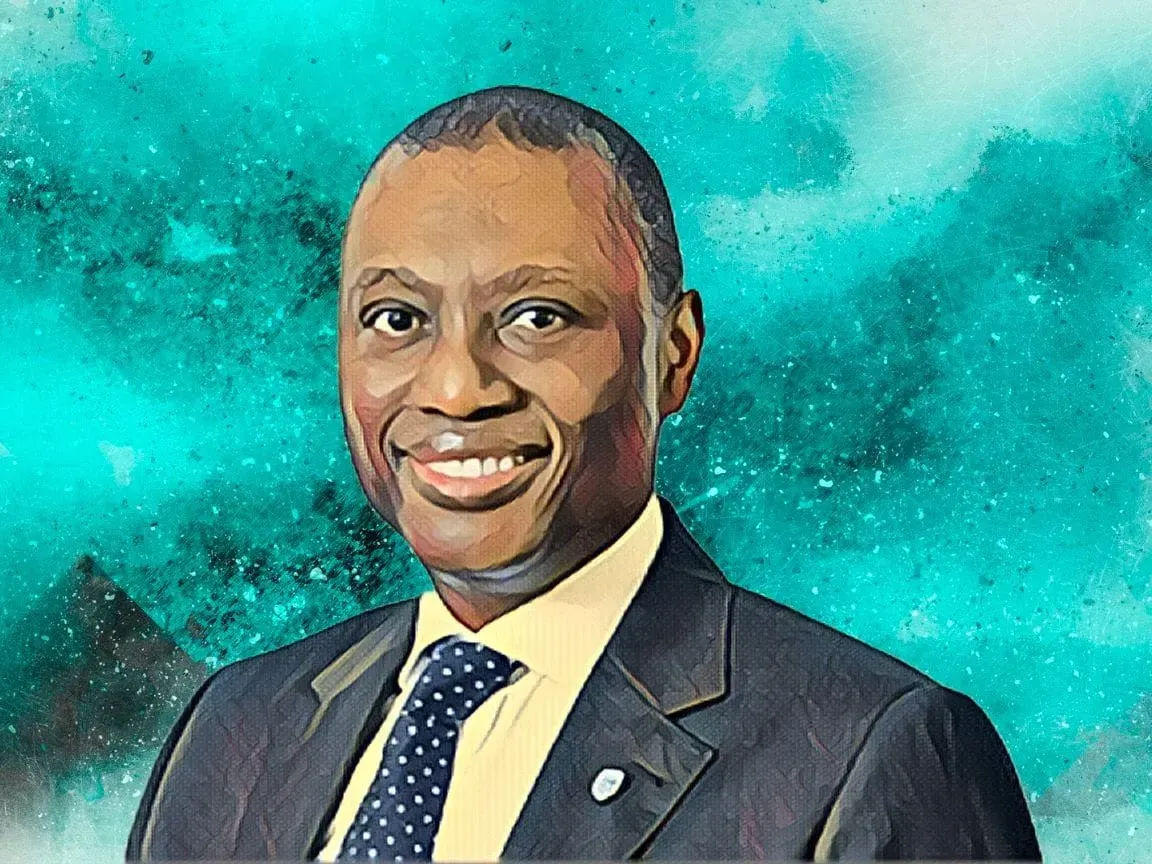
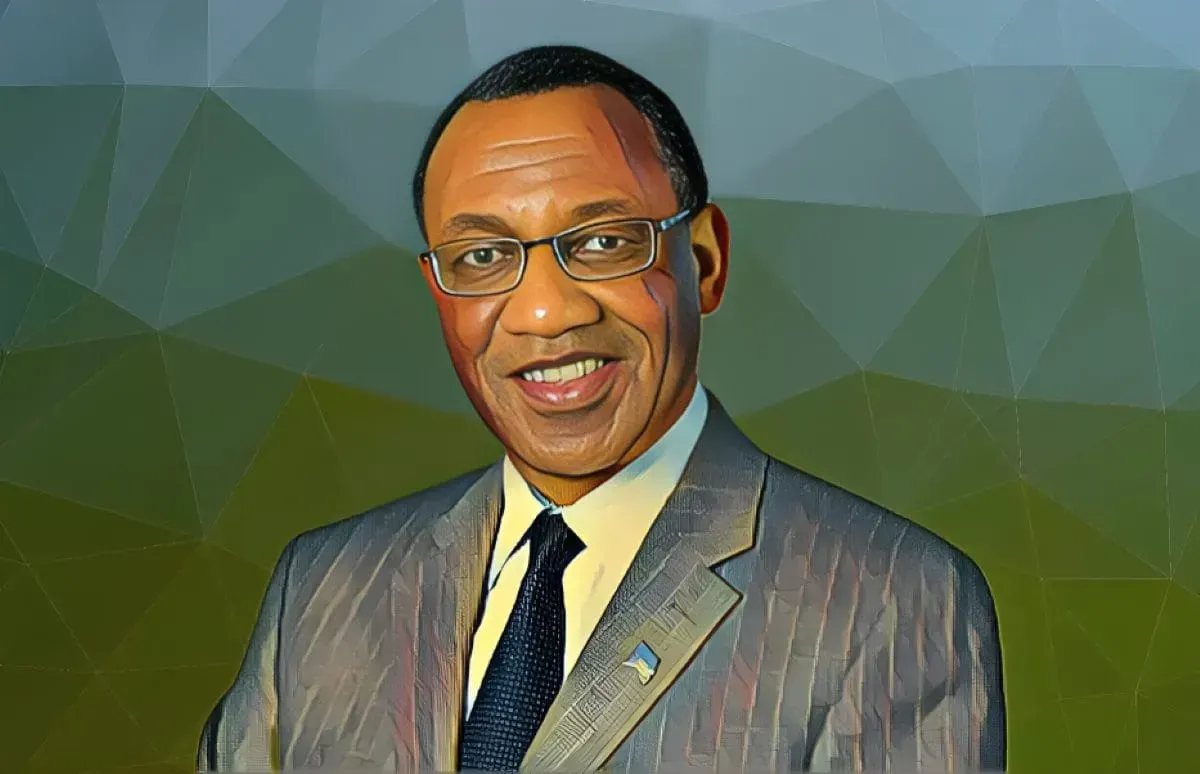
Thom Mpinganjira, one of Malawi's most powerful businessmen and the founder of FDH Bank, has had one of the most dramatic legal journeys in the country's recent history. Convicted in 2021 of attempting to bribe sitting judges in a landmark presidential election case, sentenced to 9 years in prison, and ultimately pardoned by a head of state, his case has become a defining story in the intersection of wealth, power, and justice in southern Africa.
The Arrest and the Charges
Mpinganjira was arrested in January 2021 and charged with 6 counts under Malawi's Corrupt Practices Act. The charges stemmed from an alleged attempt to offer 100 million Malawian kwacha, equivalent to approximately $120,000, to 5 constitutional court judges who were presiding over a petition challenging the results of the May 2019 presidential election.
That election, which returned then-incumbent Peter Mutharika to the presidency, was among the most contested in Malawi's history. The constitutional court ultimately annulled the results in February 2020, marking one of the rare instances in Africa where a court overturned a presidential election. New elections followed, and Lazarus Chakwera was sworn in as president in June 2020.
Prosecutors alleged that Mpinganjira, widely regarded as a close associate of Mutharika, attempted to influence the judges' ruling by offering them the cash parcel. Mpinganjira denied the allegations, insisting he had not attempted to bribe the judges but had instead sought to verify whether other parties in the case were delivering parcels to members of the bench.
The Conviction
On September 10, 2021, the High Court found Mpinganjira guilty on the bribery charges. Judge Dorothy DeGabriele, delivering the verdict, rejected his defense and ruled that the evidence against him was sufficient to sustain the conviction.
Less than a month later, on October 5, 2021, the same court handed down a 9-year custodial sentence. DeGabriele was unsparing in her assessment of the offense, describing it as a serious felony that struck at the foundations of the justice system.
"Under these circumstances, the offences committed were aggravated and this court will not impose a non-custodial sentence," she said in delivering judgment.
State prosecutor Reyneck Matemba welcomed the outcome, noting that the road to conviction had not been straightforward. The prosecution team, he said, had faced threats to their lives and repeated attempts to derail proceedings.
Mpinganjira was taken to Chichiri Prison in Blantyre to begin serving his sentence. His legal team immediately signaled they would appeal.
The Battle for Bail
The months that followed were dominated by legal wrangling over whether Mpinganjira should be released on bail while his appeal was pending.
In December 2021, High Court Judge John Chirwa dismissed Mpinganjira's application for bail pending appeal, ruling that the grounds were not worthwhile, and ordered Mpinganjira to pay costs for the proceedings.
That ruling sent Mpinganjira back to Chichiri Prison, where he spent the Christmas period. His lawyers took the matter directly to the Supreme Court of Appeal.
In February 2022, Justice Frank Kapanda of the Supreme Court of Appeal granted Mpinganjira bail pending his appeal against the conviction and nine-year sentence. The Anti-Corruption Bureau, which had prosecuted the case, declined to contest the bail decision. ACB lawyer Victor Chiwala said the bureau had accepted the bail ruling, noting that Mpinganjira had a right to appeal.
By the time he walked out of Chichiri Prison, Mpinganjira had served 122 days behind bars.
Years in Legal Limbo
With bail secured, Mpinganjira returned to civilian life while his appeal wound through the courts. The case dragged across years, drawing persistent public attention and fueling debate about the pace of justice in Malawi, particularly in cases involving wealthy and politically connected defendants.
Critics argued the prolonged delay in hearing the appeal amounted to a different kind of injustice. Advocates for judicial reform pointed to the case as evidence of systemic weaknesses that allowed elite defendants to remain free indefinitely while lower-court convictions stood unresolved.
In September 2025, the Malawi Supreme Court of Appeal set November 18, 2025, as the date to hear Mpinganjira's appeal, with proceedings set to commence at 9 a.m. in Blantyre. The businessman, who had consistently maintained his innocence and whose lawyers argued the original trial was marred by procedural flaws, appeared set for a final reckoning in court.
It never happened.
The Presidential Pardon
Before the November 2025 hearing could take place, former President Lazarus Chakwera intervened. Mpinganjira was among 37 prisoners pardoned by Chakwera during Malawi's Independence Day celebrations.
The pardon was remarkable for several reasons. Chakwera had come to power on the back of the very election nullification that Mpinganjira had allegedly tried to subvert. That a president whose path to office was shaped in part by the integrity of the judiciary would pardon the man convicted of attempting to corrupt that same judiciary drew significant commentary across Malawi.
Following the presidential pardon, Mpinganjira wrote to the Supreme Court of Appeal formally withdrawing his appeal against the High Court's ruling, bringing closure to a case that had captured national attention for four years.
Malawians widely welcomed the move, with many viewing it as a reconciliatory act and a demonstration of the nation's desire for fairness and forgiveness.
Who Is Thom Mpinganjira?
Mpinganjira is one of the most prominent figures in Malawian business. He is the founder of FDH Bank, one of the country's largest commercial banks, and the head of FDH Financial Holdings, a diversified financial services group. His business interests span banking, insurance, and other financial services, making him one of the wealthiest individuals in Malawi.
His trial, conviction, and eventual pardon have cemented his status as one of the most polarizing figures in the country's recent public life. To his supporters, the pardon was an act of justice for a man they believed was wrongly convicted in a politically charged environment. To his critics, it was a demonstration that in Malawi, as in much of Africa, the weight of wealth and connections can ultimately outlast the reach of the law.
The case also raised lasting questions about the strength of Malawi's anti-corruption infrastructure. The successful prosecution of a billionaire for attempting to corrupt the judiciary was, at the time, celebrated as a milestone. The eventual pardon complicated that narrative considerably.
What is not in dispute is the scale of what transpired. A sitting businessman of considerable means attempted, according to the court's findings, to purchase a presidential election outcome through the judiciary. He was convicted, jailed, bailed, and freed. The full arc of that story took four years to complete and ended not with a final appellate ruling but with a stroke of the presidential pen.
The intelligence satisfies curiosity. The paid briefings satisfy strategy.
Every Monday, Elite subscribers receive an Investor Memo breaking down the deal, the structure and the positioning behind the week's most consequential African wealth story — the kind of analysis that doesn't appear anywhere else.
Twice a month, a Wealth Intelligence brief profiles a single billionaire's holdings, cash flows and expansion pipeline in detail no public source matches.
→ Executive ($25/mo): Daily newsletter + Deep-Dive Reports
→ Elite ($75/mo): Everything above + Investor Memos + Wealth Intelligence + Quarterly Analyst Briefings
Subscribe now