

Table of Contents
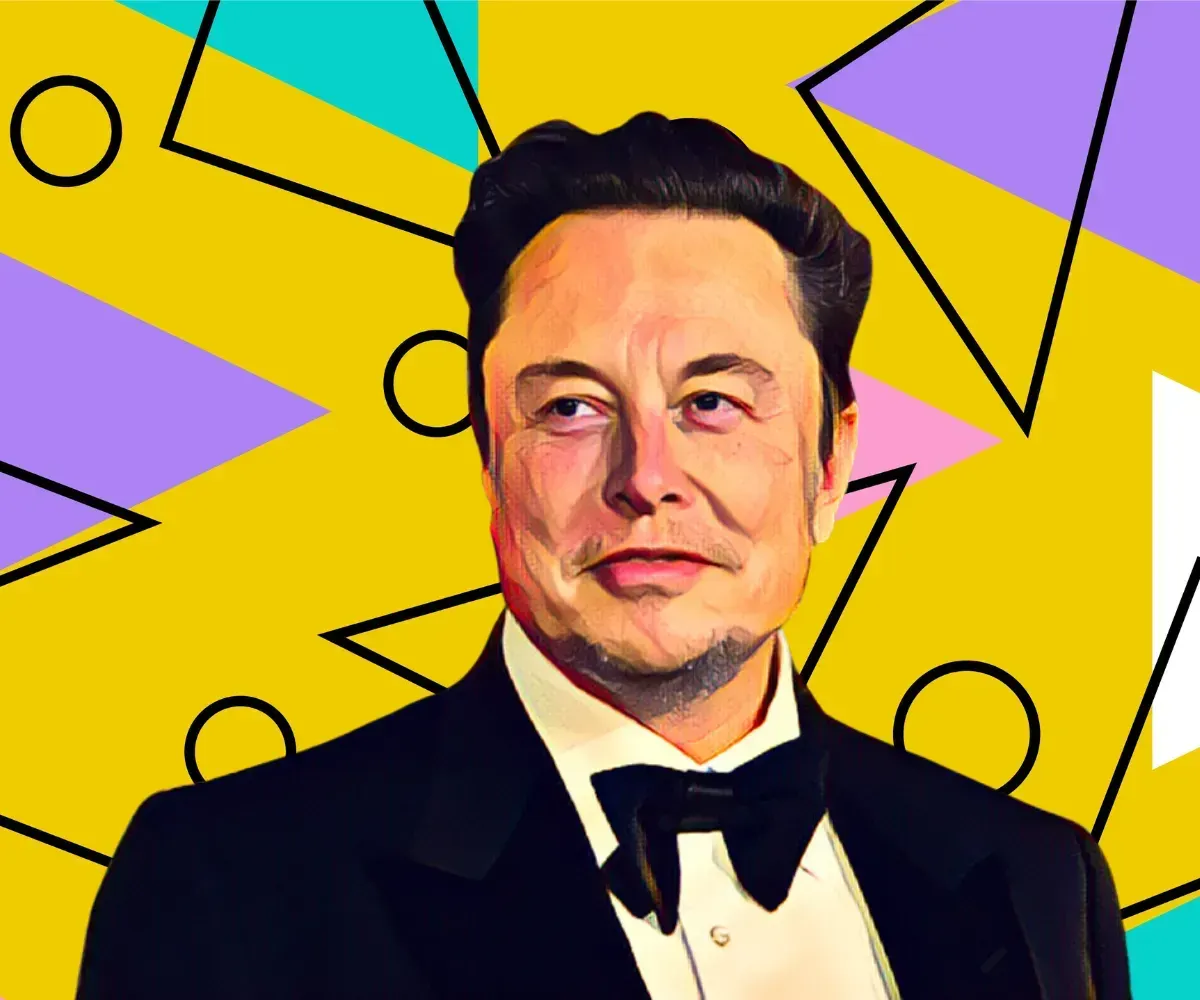
There is CEO pay. There is big CEO pay. And then there is Elon Musk.
Musk received compensation valued at $132.3 billion in 2025, entirely in the form of stock awards, according to the Associated Press' annual CEO compensation survey, which uses data analyzed by Equilar. The figure is so large it distorts the entire survey. The second-largest package, awarded to Welltower chief executive Shankh Mitra, came in at $821.1 million. Musk's package is 160 times larger.
The 2025 award is structured across 12 tranches of stock options that vest only if Tesla achieves extraordinary milestones over the next 10 years, raising the company's market capitalization from roughly $1.5 trillion to $8.5 trillion, delivering 20 million vehicles annually, deploying one million robotaxis and reaching $400 billion in adjusted EBITDA. If Musk fails to hit those targets, he receives nothing beyond whatever cash salary Tesla pays him, which historically has been zero.
The pay package is so extraordinary that even the pope weighed in. Pope Leo XIV, addressing economic inequality at a Vatican audience in April, cited Musk's compensation alongside broader concerns about the concentration of wealth and the gap between corporate leaders and workers.
The rest of the survey, while far less dramatic, tells its own story. The typical CEO compensation package rose nearly 6% in 2025 to $17.7 million, as company boards rewarded top executives for bigger profits and higher stock prices and gave them incentives to stick around and generate further shareholder returns. The survey covered 337 executives at S&P 500 companies who had served at least two full consecutive fiscal years, with proxy statements filed between January 1 and April 30.
The median employee at those same companies earned $89,744, a 4.7% increase year-over-year. While that gain outpaced inflation in 2025, many workers were still feeling squeezed by the accumulation of higher prices over previous years and had taken on credit card debt to cover daily necessities.
The pay ratio tells the sharpest story. At half of the companies surveyed, it would take a median worker 200 years to earn what their CEO made in a single year, up from 192 years in the prior survey. The CEO of Coca-Cola earned nearly 1,739 times the median worker's pay of $17,947. At retailer TJX Cos., the ratio was approximately 1,774 to one.
Other notable packages in the survey stood out for different reasons. Broadcom chief executive Hock Tan received a pay package valued at $205.3 million, covering the years 2028 through 2030 and explicitly tied to the company's ability to grow revenue from artificial intelligence, one of the few packages to use AI performance as a direct compensation benchmark.
David Zaslav of Warner Bros. received $165 million for negotiating the company's sale to Paramount Skydance and exceeding financial targets, bringing his total compensation since becoming CEO in 2007 to $1.1 billion.
Jane Fraser of Citigroup received $95.8 million, the highest pay package ever recorded for a woman in the survey's history, including a $25 million one-time stock award following her election as Citi's chairman and a separate award for overseeing a wholesale reorganization of the bank.
Goldman Sachs chief executive David Solomon received approximately $80 million, linked to a 57% gain in the company's shares.
Wells Fargo awarded Charles Scharf $94.5 million, recognizing his years-long effort to restore the bank's standing after a fake accounts scandal placed it under Federal Reserve supervision. Warren Buffett, in his final year as chief executive of Berkshire Hathaway, received $25.1 million, almost entirely comprising security costs and use of corporate aircraft.
Jensen Huang of Nvidia, whose company is currently the world's most valuable publicly traded company, received $36.3 million in 2025. Nvidia filed its proxy statement after April 30, placing Huang outside the survey's formal parameters.
The structure of modern CEO pay explains the numbers. While many associate executive pay with salary, bonus and perks, those components now constitute only a small fraction of total earnings.
A large portion of packages comprises stock awards that executives often cannot cash in for years, or at all, unless specific targets are met. Most plans pass shareholder votes with overwhelming support, averaging approximately 90% approval in this year's survey.
The intelligence satisfies curiosity. The paid briefings satisfy strategy.
Every Monday, Elite subscribers receive an Investor Memo breaking down the deal, the structure and the positioning behind the week's most consequential African wealth story - the kind of analysis that doesn't appear anywhere else.
Twice a month, a Wealth Intelligence brief profiles a single billionaire's holdings, cash flows and expansion pipeline in detail no public source matches.
→ Executive ($25/mo): Daily newsletter + Deep-Dive Reports
→ Elite ($75/mo): Everything above + Investor Memos + Wealth Intelligence + Quarterly Analyst Briefings
Subscribe now