

Table of Contents
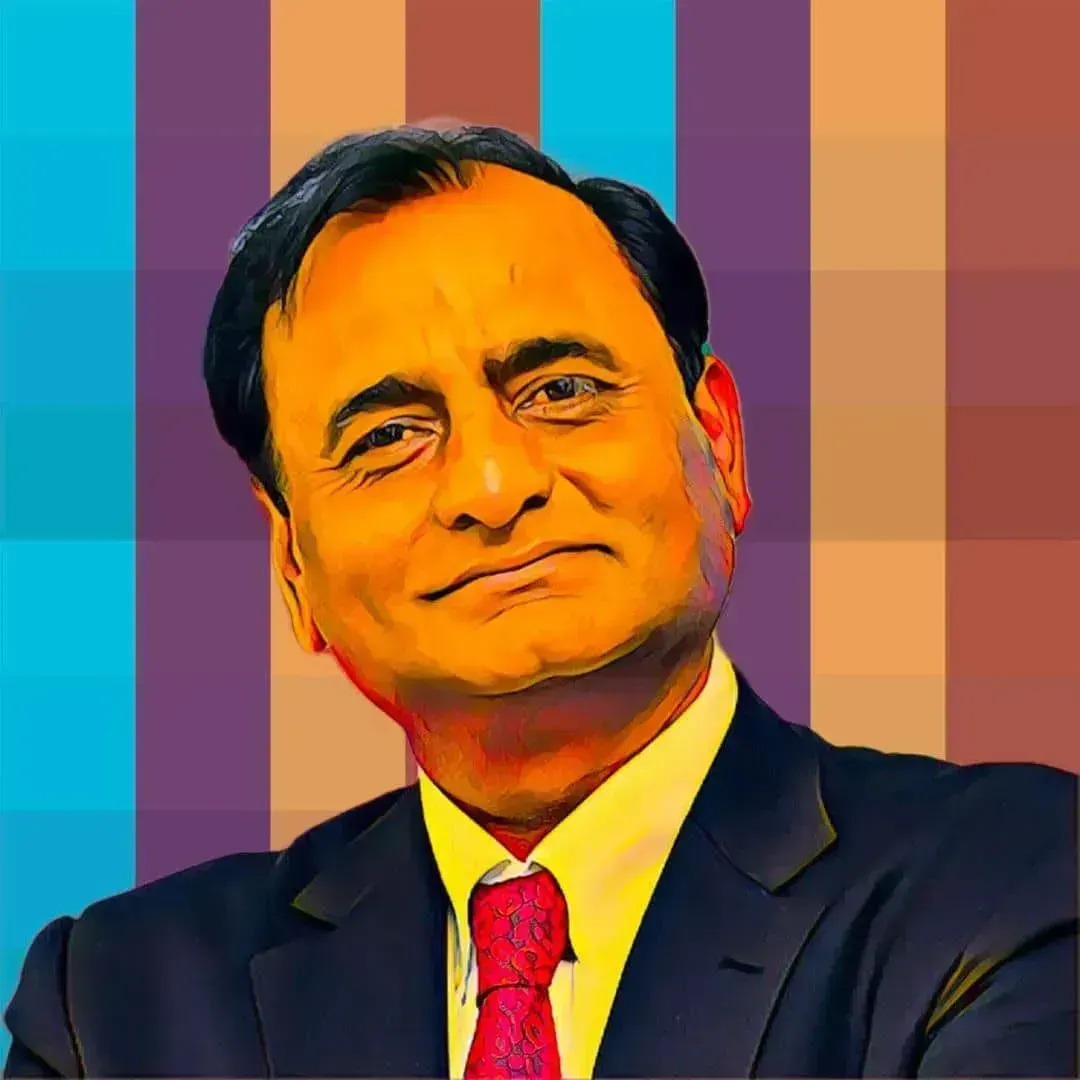
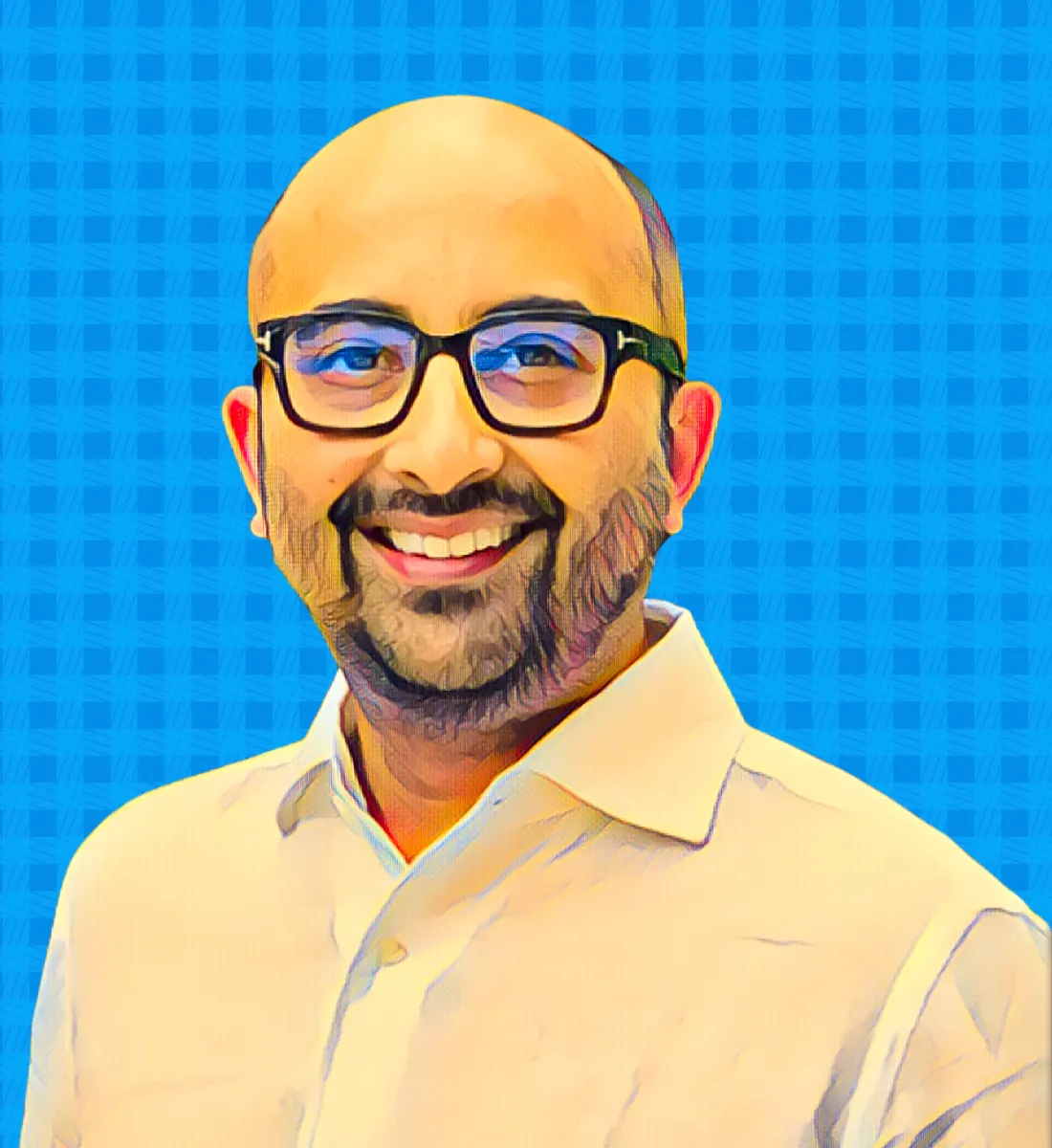
Kaushik Burman is betting that Africa's electric-motorcycle revolution needs to be designed and built much closer to home. The chief executive of Spiro, the continent's largest e-mobility operator, has led the company to acquire UK-based engineering and design firm Coexlion for an undisclosed sum, with plans to open Spiro's first African research and development center in Nairobi.
Coexlion brings deep experience in electric two-wheelers, from chassis and frame development to battery systems, vehicle integration and industrial design. Its client list reads like a who's who of global motorcycling and EV manufacturing, including Triumph, Hero, Ather Energy, Ola Electric and Arc. Embedding that capability in Nairobi gives Burman's team the in-house tools to engineer bikes around African roads, riders and use cases.
That gap has long held the continent back. Spiro currently assembles its motorcycles from knockdown kits imported from China at its Nairobi plant, with some spare parts coming from India. The factory can churn out up to 50,000 electric motorcycles a year, but the underlying design lives elsewhere. Therefore, much of the continent's e-mobility sector still rides on technology, batteries and motors built for other markets.
Burman framed the acquisition as a step toward changing that. He has long argued for "a robust, scalable energy network tailored for Africa by Africans," and the Coexlion deal moves Spiro's design backbone into the market it actually serves.
The scale behind the move is real. Under Burman, Spiro has put more than 100,000 electric motorcycles on African roads and rolled out over 2,500 battery-swapping stations across Kenya, Uganda, Rwanda, Nigeria, Togo and Benin, most of them serving commercial boda boda riders. In Kenya, its flagship market, the company commands more than 52% of the electric-bike segment.
The Kenyan market itself is shifting fast. Data from the Electric Mobility Association of Kenya shows 14,570 registered electric vehicles by the close of 2024, with electric motorcycles accounting for 8,097 of them. Local research capacity, however, has lagged adoption, which is why a Nairobi R&D base could matter beyond Spiro alone.
Burman's backers want the local-build story to hold. Spiro is supported by a $100 million round led by Afreximbank's Fund for Export Development in Africa, and is owned by Gagan Gupta's Equitane Group, which has pushed Africa-led industrialization across logistics, energy and now mobility. Together those pieces signal that African e-mobility is moving from imported kits toward homegrown engineering.
The intelligence satisfies curiosity. The paid briefings satisfy strategy.
Every Monday, Elite subscribers receive an Investor Memo breaking down the deal, the structure and the positioning behind the week's most consequential African wealth story - the kind of analysis that doesn't appear anywhere else.
Twice a month, a Wealth Intelligence brief profiles a single billionaire's holdings, cash flows and expansion pipeline in detail no public source matches.
→ Executive ($25/mo): Daily newsletter + Deep-Dive Reports
→ Elite ($75/mo): Everything above + Investor Memos + Wealth Intelligence + Quarterly Analyst Briefings
Subscribe now