

Table of Contents
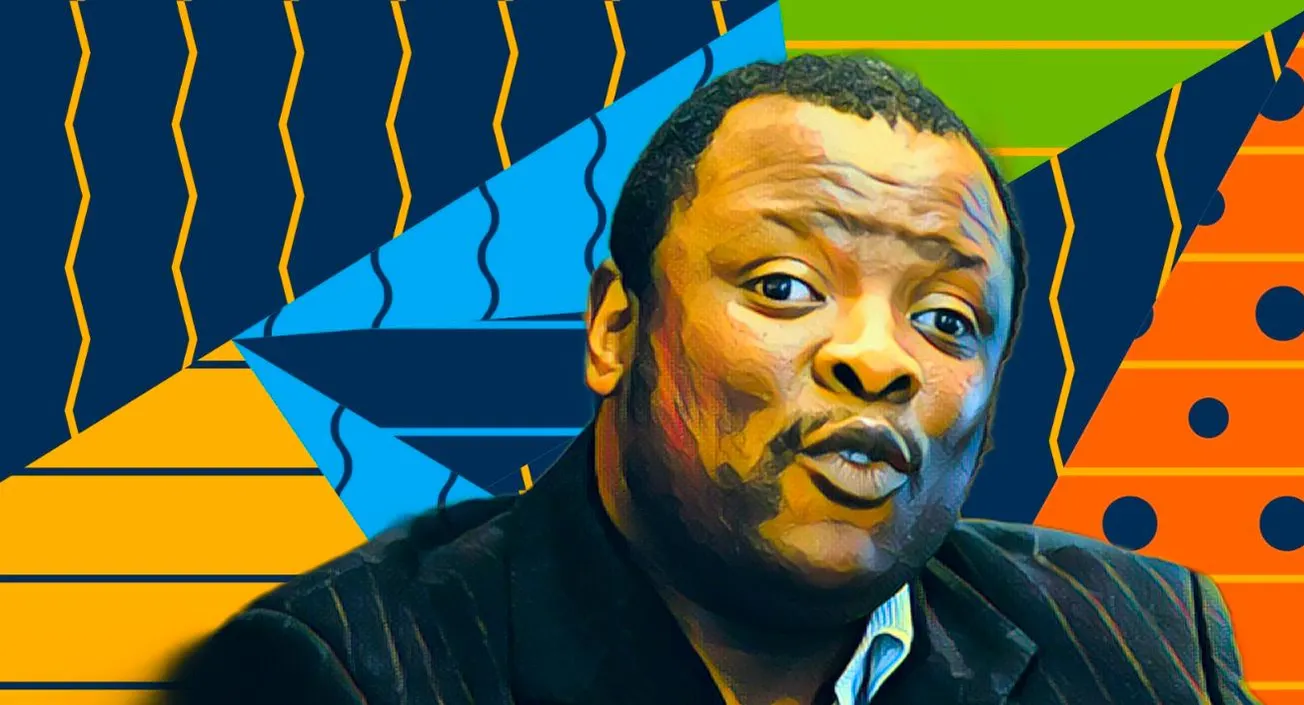
For fifteen years, Roux Shabangu lived well. He drove expensive cars, maintained what courts described as a lavish and luxurious lifestyle, and kept the taxman at bay through a combination of trust structures, legal delays and what the Gauteng High Court eventually called a corporate veil that SARS was determined to pierce. This week, News24 confirmed that SARS has finally succeeded. The final sequestration of Shabangu's personal estate, with a tax debt topping R221 million, has been granted. The man who once built a property empire on a controversial R520 million ($32 million) police lease is, in the formal legal sense of the word, bankrupt.
The sequestration is the conclusion of a tax enforcement process SARS began in 2018 and a legal saga that stretches back to 2011. To understand how Shabangu arrived here, you have to go back to when he was not yet a cautionary tale but the most controversial property dealmaker in South Africa.
The police lease that made him and broke him
In July 2010, Shabangu's company Roux Property Fund signed a 10-year lease agreement with the Department of Public Works on behalf of the South African Police Service, covering a Pretoria building known as Sanlam Middestad. In November 2010, a second lease covering police offices in Durban followed. Together, the two leases were valued at approximately R520 million. The department later found it could have built new buildings from scratch for less.
The Public Works Department had entered both agreements without going through a competitive tender process. The public protector at the time, Thuli Madonsela, investigated. In February 2012, she declared the Pretoria lease invalid and "fatally flawed," finding it amounted to maladministration. She concluded that both police commissioner Bheki Cele and Public Works Minister Gwen Mahlangu-Nkabinde had breached their duty in authorising the deal.
Cele was suspended as police commissioner and subsequently dismissed. Mahlangu-Nkabinde lost her portfolio. Two cabinet-level scalps from a single property deal involving a single businessman who, throughout the entire saga, denied any wrongdoing and insisted he had done nothing improper.
The department cancelled the Pretoria lease and refused to take occupation. Shabangu had bought the building through a mortgage bond from Nedbank. When he defaulted on repayments, Nedbank went to court and recovered its money. The building was sold at a public auction in 2013 for R66 million, a fraction of what the lease had been worth. Shabangu sued the Department of Public Works for R340 million in damages, arguing the department had breached the agreement. The Supreme Court of Appeal dismissed his claim in 2020, finding he had not given timeous notice of his intention to sue.
SARS closes in
SARS began its formal tax enforcement action against Shabangu in 2018, seeking to collect tax debts linked to assessments dating back two decades. The process was protracted. Shabangu and his legal team disputed the claims at each stage. SARS obtained a preservation order against Majestic Silver 275, the main property holding company he used, seeking to prevent assets from being dissipated before the full debt could be collected. It then moved to liquidate his companies and sequestrate his personal estate and the Roux Shabangu Family Trust.
At the Gauteng High Court hearing in September 2024, SARS argued that Shabangu was in control of a complex corporate structure through which, despite his non-payment of debts, he continued to enjoy a lavish and luxurious lifestyle. The court agreed this was "somewhat inexplicable" and that the source of funds maintaining that lifestyle was unknown and undisclosed. The court granted provisional sequestration orders against his personal estate and the family trust.
SARS Commissioner Edward Kieswetter welcomed the provisional orders. "The results of the above applications serve as examples of SARS' resolve to pierce through the corporate veil in its efforts to fulfil its legislative mandate to collect all money due to the country's fiscus," he said. He added that the sequestration order against the trust was of particular importance because it highlighted SARS's efforts to enforce tax compliance against discretionary trusts commonly used to evade taxes.
The finalisation of those orders, confirmed by News24 this week, brings the total tax debt attributed to Shabangu and his linked entities to more than R221 million. A trustee appointed by the court will now take control of his assets, sell them and distribute the proceeds to creditors, with SARS as the primary preferential creditor.
The Eswatini dimension
Swaziland News, which covers business affairs in the neighbouring Kingdom of Eswatini, reported that Shabangu had alleged business interests in that country, adding a cross-border dimension to the asset recovery picture. The specific nature and value of his Eswatini interests were not confirmed in detail, but their existence is relevant to the trustee's mandate to locate and realise all assets available to creditors.
The sequestration closes a chapter in South African business that became a reference point for everything wrong with politically connected procurement during the Zuma era. Shabangu was never convicted of any crime. He was never found to have personally bribed any official. What the record shows is a businessman who found himself at the centre of lease agreements that the public protector declared invalid, that cost two ministers their careers, that Nedbank ultimately reclaimed through the courts, that the Supreme Court of Appeal refused to compensate him for, and that SARS spent six years pursuing him over in unpaid taxes. The building that started it all sold for R66 million at auction. The tax debt it helped generate is now R221 million and the estate is in the hands of a court-appointed trustee.
The intelligence satisfies curiosity. The paid briefings satisfy strategy.
Every Monday, Elite subscribers receive an Investor Memo breaking down the deal, the structure and the positioning behind the week's most consequential African wealth story - the kind of analysis that doesn't appear anywhere else.
Twice a month, a Wealth Intelligence brief profiles a single billionaire's holdings, cash flows and expansion pipeline in detail no public source matches.
→ Executive ($25/mo): Daily newsletter + Deep-Dive Reports
→ Elite ($75/mo): Everything above + Investor Memos + Wealth Intelligence + Quarterly Analyst Briefings
Subscribe now