

Table of Contents
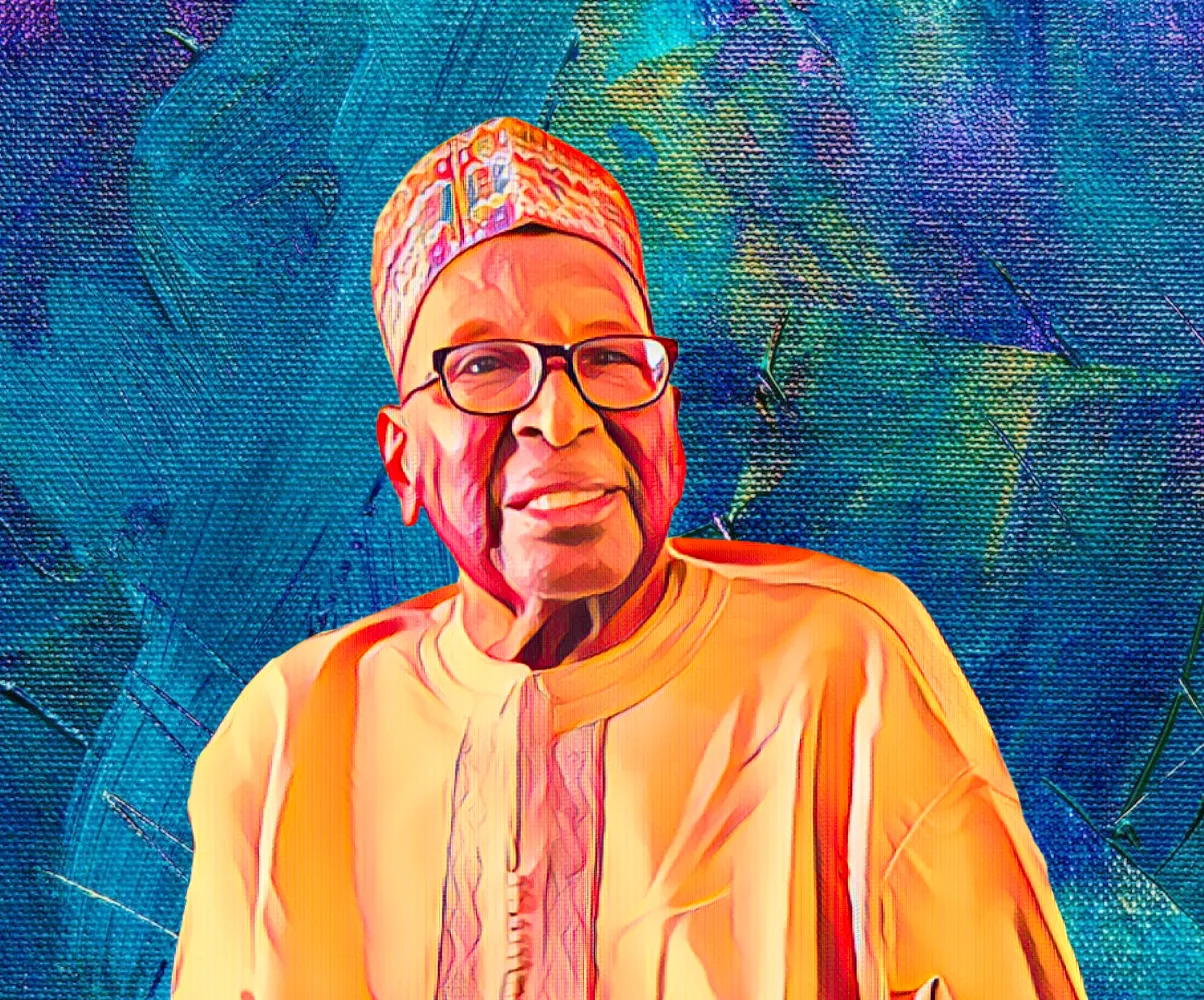
Kenyan billionaire and conservationist Humphrey Kariuki used a major global ocean forum in Monaco last week to call for scaled investment in Africa's Great Blue Wall Initiative, arguing that coastal communities must sit at the centre of marine conservation efforts rather than at the margins of decisions made elsewhere.
Kariuki, the Kenyan entrepreneur and IUCN Patron of Nature who built his fortune through the Janus Continental Group, was speaking at the 17th Monaco Blue Initiative and the 2nd Blue Economy and Finance Forum, events convened under the patronage of Prince Albert II of Monaco and attended by ocean governance leaders, financiers and scientists from across the world. He took part in a panel discussion titled "Governing and Financing the Ocean in a Fragmented World," alongside a World Bank Group director, the chief growth officer of GIST Impact, and the co-chair of the International Advisory Panel on Biodiversity Credits.
His message was direct. "If conservation excludes communities, it will not succeed," he said. "Coastal populations must benefit through jobs, enterprise opportunities, restoration work, sustainable tourism, aquaculture, and blue carbon initiatives."
The vehicle he was pushing was the Great Blue Wall Initiative, the Africa-led ocean conservation programme that was born at COP26 in Glasgow in 2021 and has since grown into one of the most ambitious marine protection frameworks on the continent. Championed by the International Union for Conservation of Nature and a coalition of regional partners, the GBW aims to protect 30 percent of the Western Indian Ocean by 2030, conserving and restoring marine and coastal ecosystems that are home to 38 percent of the world's coral reef species.
The numbers behind the initiative are significant. The GBW targets protection of two million square kilometres of marine areas and restoration of two million hectares of critical coastal and marine ecosystems, aiming to sequester 100 million tonnes of carbon dioxide and create one million blue jobs by 2030. The Western Indian Ocean region covered by the initiative is home to approximately 70 million people, many of whom depend directly on marine resources for food security and income.
Two seascapes have been formally designated under the initiative so far: the Tanga Pemba Seascape in Tanzania, designated as an IUCN Category VI Marine Protected Area, and the Quirimbas Seascape in Mozambique. Pilot programmes are currently running across Kenya, Tanzania, Zanzibar, Mozambique, Madagascar and Comoros, with expansion into additional African coastal states planned between 2026 and 2030. The ReSea project, operating within the GBW framework, has already reached 350,000 women, men and young people across Kenya, Tanzania, Mozambique and Madagascar by reducing physical and economic vulnerability in coastal communities.
At roughly 7 to 8 percent, the proportion of the Indian Ocean currently under adequate legal protection remains far too low relative to the biodiversity and economic stakes involved. That gap is what the GBW is designed to close, and it is what Kariuki was in Monaco to finance.
The Monaco forum itself has become one of the most important annual convergence points for ocean finance. The 17th edition attracted world leaders in ocean governance, international organisations, NGOs, private sector financiers and scientists under a mandate from Prince Albert II to treat the ocean as a viable asset class for sustainable finance. At the 1st Blue Economy and Finance Forum in 2025, held in Nice on the sidelines of the United Nations Ocean Conference, over 1,800 participants from nearly 100 countries attended, more than 25 billion euros in investment opportunities were identified and 8.7 billion euros were committed to accelerating the transition to a sustainable blue economy.
The 2026 edition continued that momentum. Discussions ranged from urgent action on WTO fisheries subsidies to biodiversity credit markets to the legal framework for high-seas conservation under the BBNJ Agreement, the landmark treaty governing marine biological diversity beyond national jurisdiction. The conclusions and recommendations from both events are expected to feed directly into upcoming negotiations under the Convention on Biological Diversity, the UN Framework Convention on Climate Change, and the International Marine Protected Areas Congress.
Kariuki's presence in that conversation reflects a deliberate effort to ensure African voices, interests and leadership are embedded in global ocean governance frameworks rather than merely consulted after decisions are made. Too often, he argued, Africa's coastal and marine wealth has been managed through frameworks designed elsewhere, with economic benefits flowing outward while communities living on the water's edge remain marginalised.
The Great Blue Wall offers a different model: conservation that is designed by Africans, governed with local communities at the centre, and financed in ways that generate tangible returns for the people most directly affected by what happens to the ocean. Whether the financing community in Monaco or elsewhere moves fast enough to match the ambition of that model is the question the next few years will answer.
The intelligence satisfies curiosity. The paid briefings satisfy strategy.
Every Monday, Elite subscribers receive an Investor Memo breaking down the deal, the structure and the positioning behind the week's most consequential African wealth story - the kind of analysis that doesn't appear anywhere else.
Twice a month, a Wealth Intelligence brief profiles a single billionaire's holdings, cash flows and expansion pipeline in detail no public source matches.
→ Executive ($25/mo): Daily newsletter + Deep-Dive Reports
→ Elite ($75/mo): Everything above + Investor Memos + Wealth Intelligence + Quarterly Analyst Briefings
Subscribe now