

Table of Contents
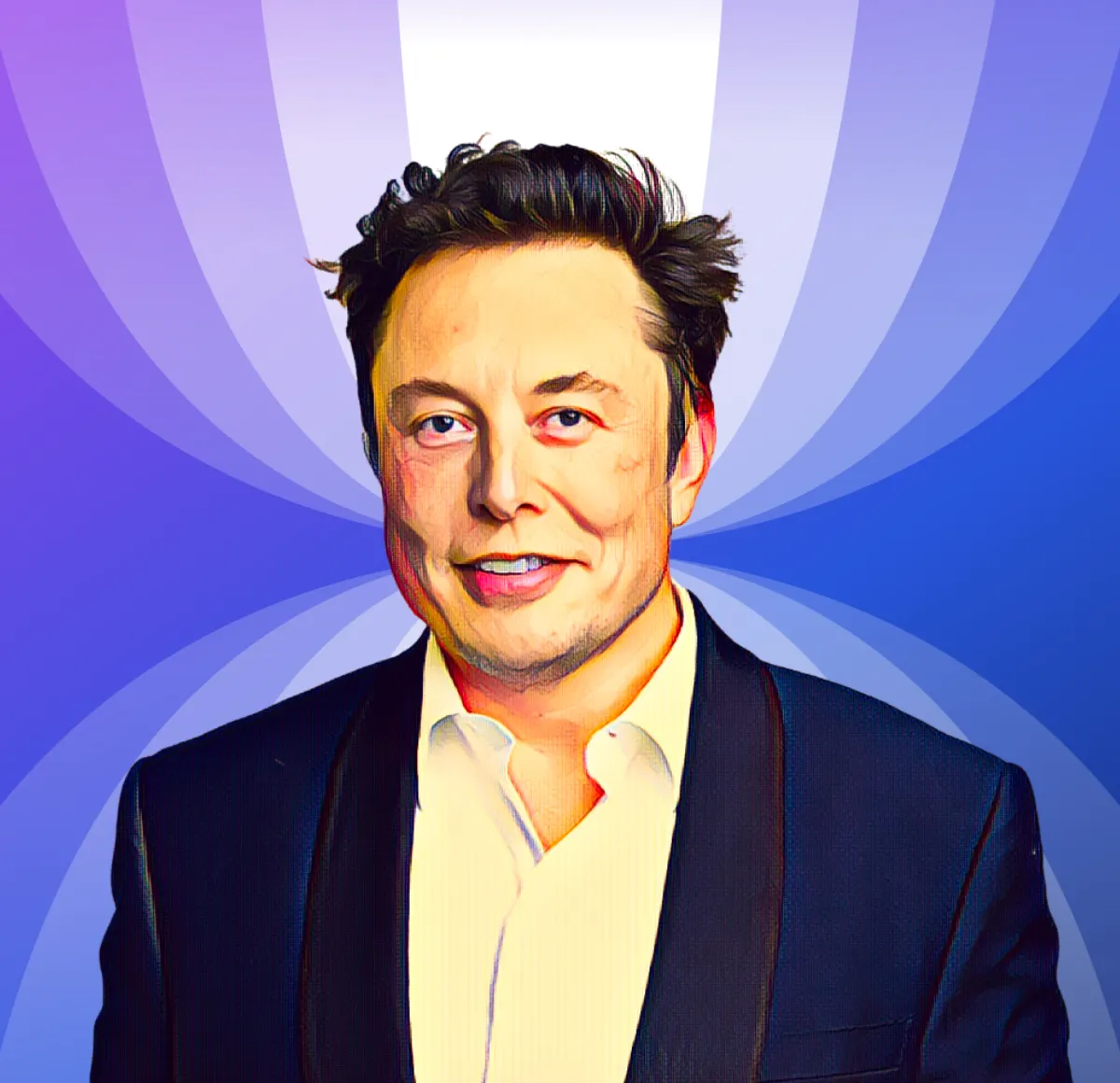
Elon Musk's SpaceX has filed with the US Securities and Exchange Commission to sell 555.6 million shares at $135 apiece, targeting a valuation of nearly $1.8 trillion and setting up what would be the largest initial public offering in stock market history, dwarfing Saudi Aramco's landmark 2019 debut that raised $26 billion at a $1.7 trillion valuation.
The offering, filed Wednesday, aims to raise approximately $75 billion, a figure that on its own exceeds the annual GDP of most countries. SpaceX plans to list on the Nasdaq stock exchange on June 12 under a ticker yet to be officially confirmed.
At $1.8 trillion, SpaceX would become the seventh most valuable company in the world by market capitalisation, overtaking Tesla and Meta, and pulling ahead of Taiwanese chipmaker TSMC, while still trailing Apple, Alphabet, Nvidia and Saudi Aramco. Market sentiment is running even hotter than the filing suggests. Buyers of investment products linked to the listing are pricing SpaceX's end-of-first-day market capitalisation at $2.2 trillion, according to Fabien Yip, a market analyst at IG Group, who noted that the implied pricing reflects the same forward-looking conviction that has historically surrounded transformative technology listings.
Musk holds approximately 42 percent of SpaceX. At a $1.77 trillion valuation, that stake alone is worth in the range of $743 billion. Combined with his Tesla shares, his xAI equity, his Boring Company position and other holdings, the IPO would push his total net worth past $1 trillion, making him the first person in recorded history to reach that threshold. His current net worth, already the highest in the world at approximately $342 billion according to Forbes, would more than triple.
Despite the listing, Musk retains iron-clad control of the company. SpaceX's dual-class share structure grants certain shares 10 votes apiece. Post-IPO, Musk will hold more than 82 percent of total voting rights, meaning that public shareholders collectively will have almost no meaningful say in the company's strategic decisions regardless of how many shares they buy.
The decision to fix a share price before the investor roadshow even began surprised market analysts and broke with standard IPO practice. Companies preparing for a public listing typically announce a preliminary price range and adjust it based on investor demand during the roadshow. SpaceX set a specific price upfront. "The genuine surprise is that SpaceX fixed a price before the investor roadshow began," Yip told Al Jazeera. "To me, this reflects Musk's control over the deal terms and his confidence that the book will fill."
Founded by Musk in 2002, SpaceX is best known for its Falcon 9 rockets and Starship heavy-lift launch vehicle, the latter being the most powerful rocket ever built. The company provides launch services to NASA and private customers, operates the Starlink satellite internet constellation, and since absorbing xAI, Musk's artificial intelligence company, now also develops AI models. Its latest financial filings show the Starlink division is profitable, but the broader company is not. SpaceX reported a net loss of $4.9 billion on revenue of $18.7 billion in 2025, followed by a $4.3 billion loss in the first quarter of 2026 alone. By any conventional accounting standard, SpaceX is a money-losing enterprise heading into its debut.
That has not deterred demand. Jay Ritter, an emeritus professor at the University of Florida who has studied IPOs for decades, drew the comparison with Saudi Aramco bluntly. "SpaceX, in contrast, has trailing annual revenue of less than $20 billion and is not profitable," he told Al Jazeera. "So, one company's valuation was and is based on its demonstrated profitability, while the other company's valuation is based on potential." He added a pointed observation about where the capital might end up: "With SpaceX, there is a risk that cash flows will be used to send hundreds of thousands of people to Mars, at a loss."
Musk has been explicit that Mars colonisation is among SpaceX's primary long-term objectives. He has described the goal as establishing a self-sustaining city on the planet and extending "the light of consciousness to the stars," a formulation he has used in public remarks and in the company's formal mission materials. Whether that vision constitutes a compelling investment thesis or a liability is the question every institution and retail investor considering the June 12 listing must answer.
The Tesla parallel is instructive. Yip noted that Tesla debuted in 2010 as a loss-making electric vehicle company and largely tracked the broader market for years before breaking away decisively once it turned profitable in the first quarter of 2013. SpaceX investors are making a structurally similar bet, with the additional complexity that SpaceX's addressable market spans rockets, satellite internet and artificial intelligence simultaneously, a broader mandate than Tesla carried at the time of its listing.
Goldman Sachs, Morgan Stanley, Bank of America, Citigroup and JPMorgan are serving as lead underwriters for the offering. The June 12 listing date is subject to regulatory clearance and final confirmation of the offering terms.
The intelligence satisfies curiosity. The paid briefings satisfy strategy.
Every Monday, Elite subscribers receive an Investor Memo breaking down the deal, the structure and the positioning behind the week's most consequential African wealth story - the kind of analysis that doesn't appear anywhere else.
Twice a month, a Wealth Intelligence brief profiles a single billionaire's holdings, cash flows and expansion pipeline in detail no public source matches.
→ Executive ($25/mo): Daily newsletter + Deep-Dive Reports
→ Elite ($75/mo): Everything above + Investor Memos + Wealth Intelligence + Quarterly Analyst Briefings
Subscribe now