

Table of Contents
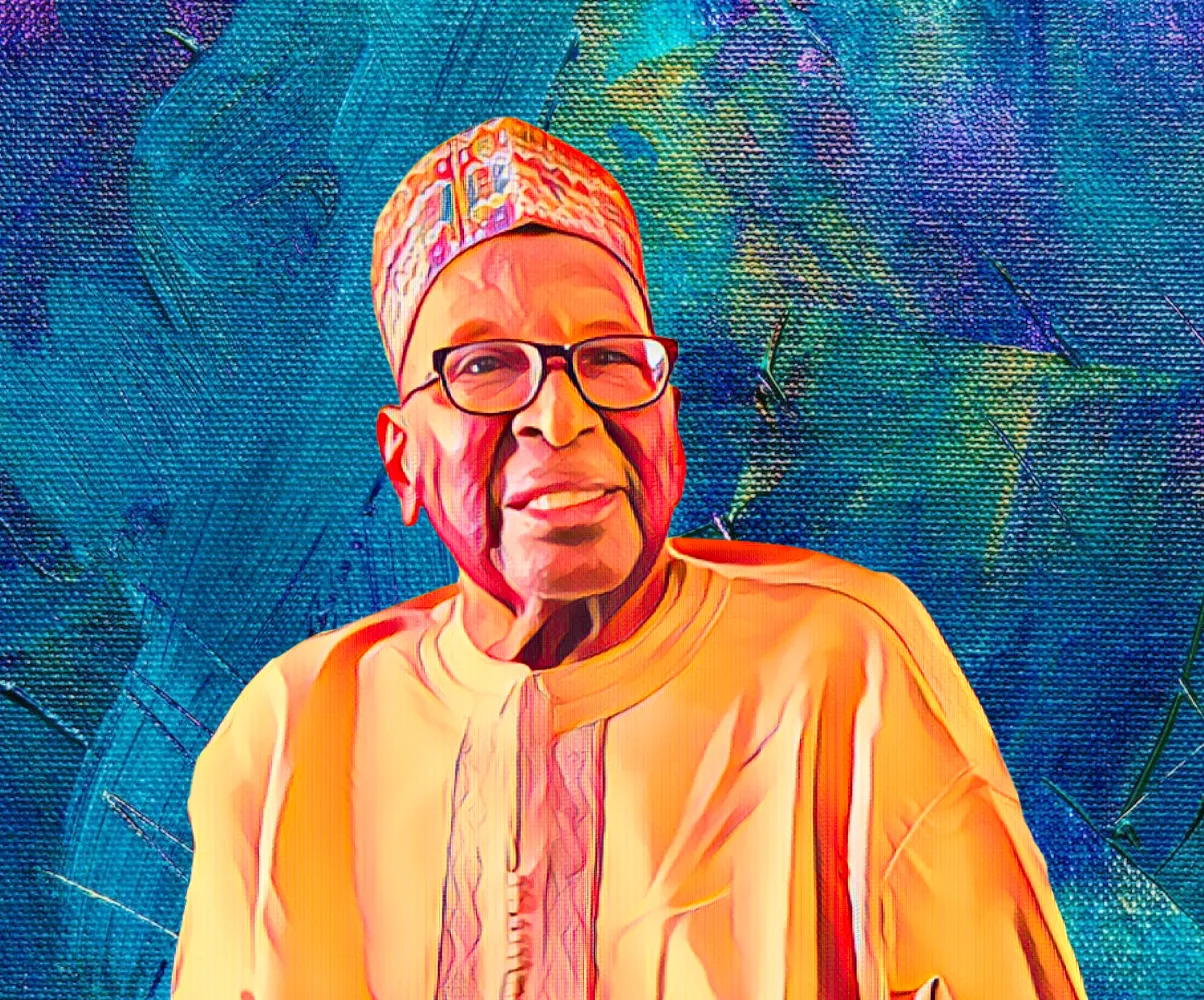
The second batch of Ghanaians evacuated from South Africa following a fresh wave of xenophobic attacks arrived at Kotoka International Airport on Sunday, June 7, 2026, to emotional scenes of relief, flag-waving and an airport reception led by Foreign Affairs Minister Samuel Okudzeto Ablakwa and the Health Minister. Among the announcements greeting the returning citizens was one that came with a direct economic lifeline: Ghanaian billionaire businessman Ibrahim Mahama has offered 100 jobs to evacuees, taking the total number of employment opportunities secured by the government and private sector for returnees to 200.
Ablakwa, who has led Ghana's diplomatic and logistical response to the xenophobia crisis since it intensified in May 2026, confirmed Ibrahim Mahama's employment offer at the airport reception on Sunday. The government had previously secured 120 job opportunities for returning citizens to support their reintegration into the local economy. Ibrahim Mahama's 100-job pledge, brought through a direct personal intervention, pushes the combined tally to more than 200 confirmed employment opportunities for evacuees as they arrive home with little more than what they could carry out of South Africa.
The intervention follows a pattern of personal engagement by Ibrahim Mahama, the younger brother of President John Dramani Mahama, in the xenophobia crisis that has pushed more than 900 Ghanaians to register for evacuation. In May 2026, after a video of Emmanuel Asamoah, a Ghanaian man being confronted and harassed by a group of individuals in South Africa, went viral and sparked outrage across Ghana, Ibrahim Mahama personally reached out to the Foreign Affairs Minister and pledged full support for Asamoah's reintegration. He subsequently met Asamoah at his office, presented him with GH¢200,000 to allow him to spend time with his family before relocating to Accra, and offered to establish a cement distribution and construction hardware depot business for him, funded entirely by Ibrahim Mahama. Asamoah, who had operated a nail and hairdressing enterprise in South Africa before the attacks forced him home, chose the hardware business after the meeting.
At that same meeting, held with Ghana's High Commissioner to South Africa, Benjamin Anani Quashie, Ibrahim Mahama made a broader commitment. He appealed to Ghanaians in South Africa facing hardship to return home and contribute to national development, telling them that his companies were prepared to create employment opportunities tailored to the skills and experiences of returning citizens. The 100-job offer announced on Sunday is the formalisation of that commitment into a specific, confirmed pledge.
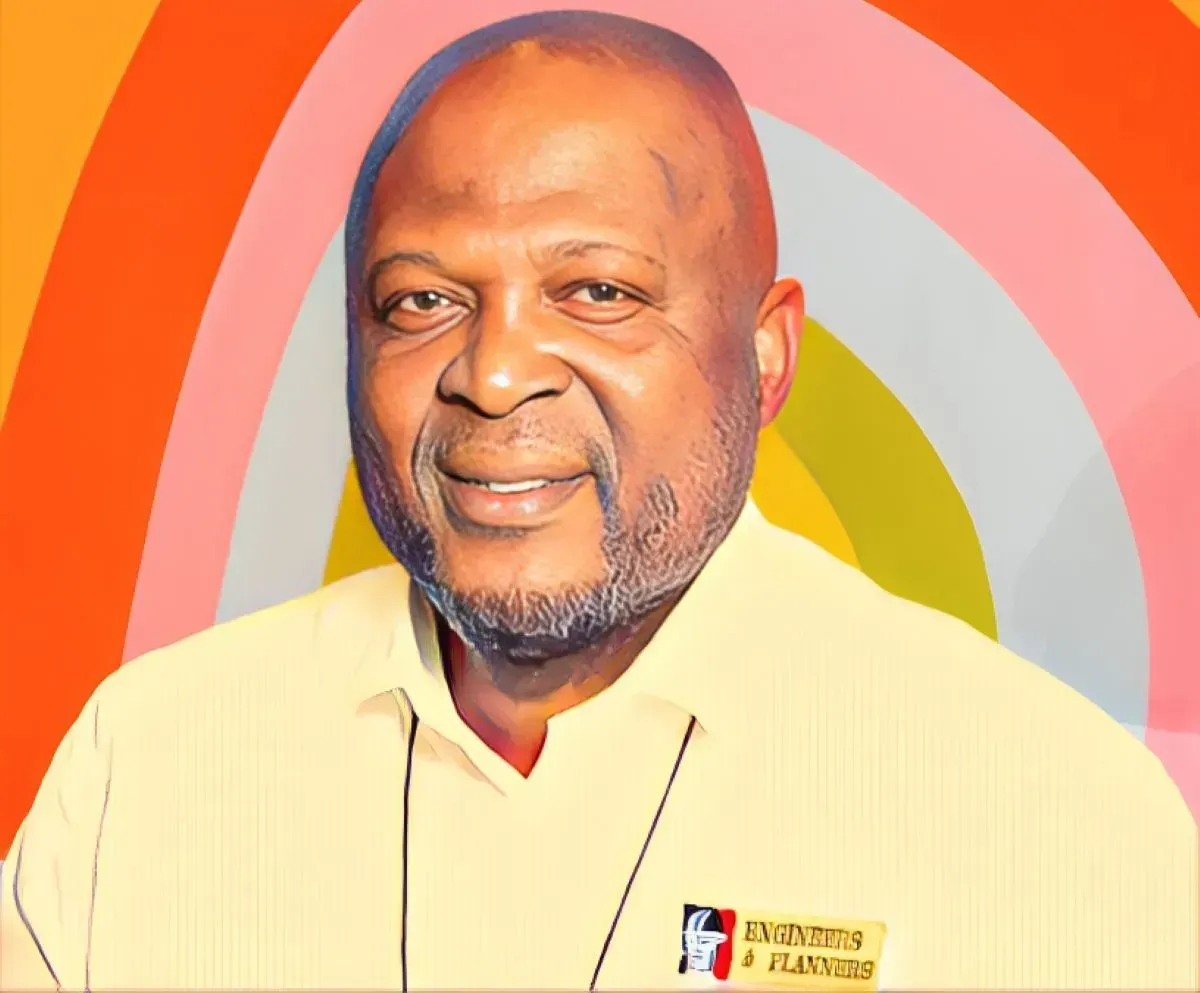
Ibrahim Mahama is the founder of Engineers and Planners Limited, one of Ghana's largest indigenous mining services companies, which recently acquired the Damang Gold Mine concession from Gold Fields Ghana. He also owns Dzata Cement Limited, a cement manufacturing company based in Tema, and controls a portfolio of construction and industrial businesses that employ thousands of Ghanaians. His companies' capacity to absorb returning migrants in entry-level and skilled positions across mining services, construction, cement distribution and logistics is genuine, not aspirational.
The backdrop to his intervention is one of the most serious diplomatic episodes in Ghana-South Africa relations in years. Xenophobic attacks on foreign nationals in South Africa, which have recurred periodically since 2008, intensified sharply in 2026 with a new wave of violence targeting businesses and individuals accused of taking jobs from South African citizens. Ghana's government issued a travel advisory on June 1, 2026, urging Ghanaians to exercise extreme caution and avoid non-essential travel to South Africa until further notice. President John Dramani Mahama approved the immediate evacuation of registered Ghanaians on May 12, and the first batch of 300 evacuees arrived at Kotoka International Airport on May 27 aboard a government-chartered Ethiopian Airlines flight. The second batch arrived on Sunday. More than 900 Ghanaians had registered for evacuation as of the latest government count.
Ghana's Foreign Ministry confirmed that 26 Ghanaians who had been detained in South African prisons for visa-related offences were released following government-to-government discussions, a development Ablakwa described as a diplomatic success. President Mahama directly criticised the South African government's response at Chatham House in London, stating that the authorities' actions appeared insufficient to protect affected foreign nationals and describing an environment in which foreigners were even denied access to healthcare facilities.
South Africa's Ministry of International Relations described Ghana's decision to refer the matter to the African Union as regrettable, but confirmed that President Cyril Ramaphosa had condemned the attacks and directed law enforcement to protect all residents. Those assurances have not been sufficient to stop the flow of Ghanaians seeking to come home. The High Commission in Pretoria confirmed the repatriation exercise has not ended and that further registration phases will be communicated to Ghanaians remaining in South Africa.
The support package being deployed for evacuees includes transportation assistance to final destinations across Ghana, temporary accommodation, psychosocial counselling, financial support and access to the jobs and startup opportunities database that the Foreign Ministry has assembled in coordination with the private sector. Ibrahim Mahama's 100 jobs are among the most concrete private sector commitments in that database.
The intelligence satisfies curiosity. The paid briefings satisfy strategy.
Every Monday, Elite subscribers receive an Investor Memo breaking down the deal, the structure and the positioning behind the week's most consequential African wealth story - the kind of analysis that doesn't appear anywhere else.
Twice a month, a Wealth Intelligence brief profiles a single billionaire's holdings, cash flows and expansion pipeline in detail no public source matches.
→ Executive ($25/mo): Daily newsletter + Deep-Dive Reports
→ Elite ($75/mo): Everything above + Investor Memos + Wealth Intelligence + Quarterly Analyst Briefings
Subscribe now