

Table of Contents
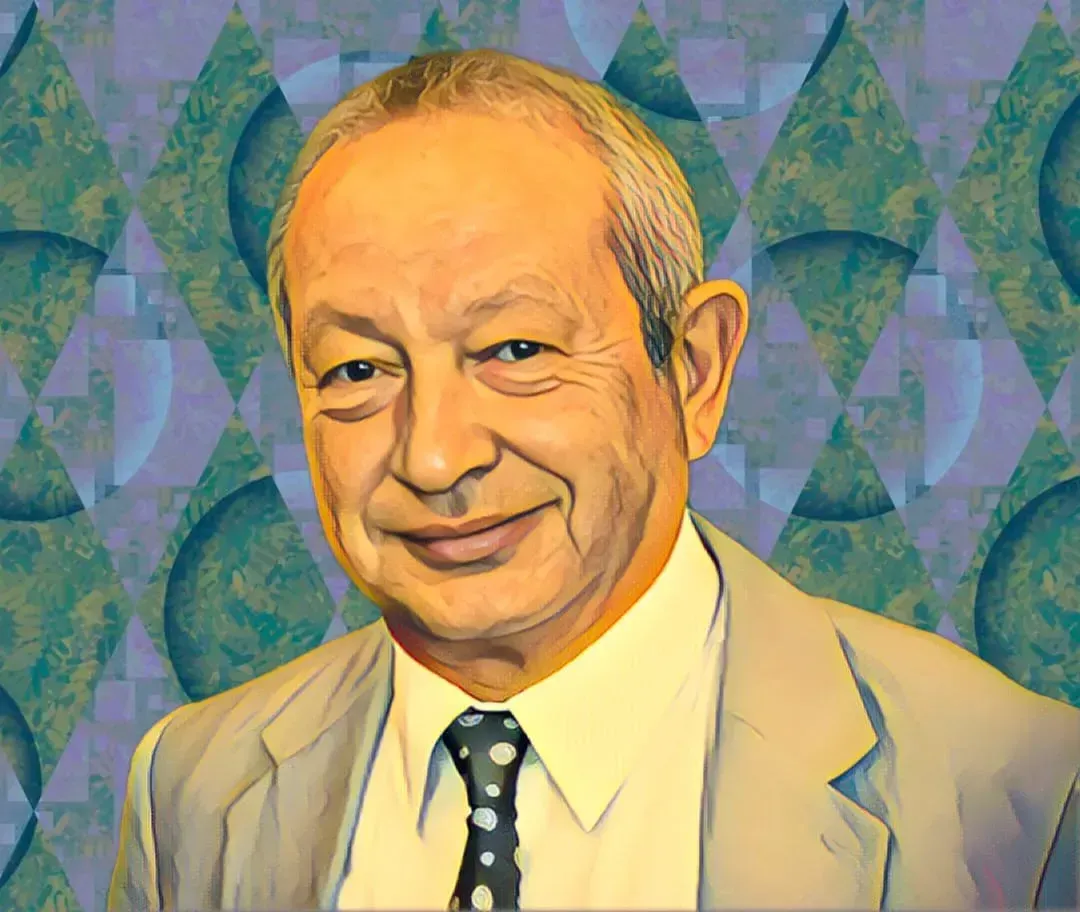
Naguib Sawiris, Egypt's most outspoken billionaire, has turned his attention to one of the country's most persistent public health problems: its stray dog population. On Friday, June 6, Sawiris posted a response on X to a video showing dogs sheltering in the entrance of a residential building, calling on the government to launch a national programme to collect the animals, provide veterinary treatment and then export them to countries where demand for pet dogs exists, rather than continuing what he described as a reliance on random culling.
"We need a national project to round up these dogs, provide them with medical treatment, and then sell and export them abroad where people actually want to raise them, rather than relying on random culling and allowing them to spread diseases," Sawiris wrote.
The comment landed in the middle of a public debate that has been building in Egypt for months. An official report from the Preventive Medicine Sector revealed that more than 1.2 million cases of animal bites or scratches were recorded between January and September 2025 alone, a figure that reflects the scale of the stray animal problem across the country and the growing public health risk linked to the spread of rabies. Egypt's stray dog population has been estimated at up to 40 million animals, a figure so large that conventional management approaches, including periodic culling campaigns, have consistently failed to produce any sustained reduction.
Sawiris is not alone in pushing for a different approach. Egypt's parliament is preparing to discuss a formal parliamentary inquiry into the export of stray dogs. The inquiry has been referred to a scientific committee of experts and university professors for review, on the condition that any export scheme covers dogs destined for breeding purposes rather than slaughter. That condition reflects both ethical considerations and the requirements of international live animal export standards, which are considerably more demanding for animals intended for slaughter than for those designated for breeding or companionship.
The Veterinary Services Authority has been formally notified of the parliamentary inquiry. Ayman Mahrous, head of the Central Administration for Public Health at the Authority, said there was no objection in principle to exporting stray dogs provided international standards for the export of live animals were met. He said the scientific committee would be the body responsible for determining the precise conditions under which any export permit could be issued and that its opinion would provide the practical framework for implementation.
Animal welfare advocates in Egypt have long argued against culling as the primary management tool, citing both its failure to produce lasting population reductions and its ethical costs. The export proposal, which would involve capture, veterinary treatment including vaccination, neutering where appropriate, and international sale to buyers in countries with higher demand for dogs as pets, represents a fundamentally different model. It converts what is currently a public liability into a potential commercial transaction while addressing the rabies risk through systematic treatment before export.
Whether the proposal is commercially viable at scale depends on several unresolved questions. The cost of capturing, housing and treating millions of dogs before export would be substantial. The international market for dogs is fragmented and does not uniformly accept animals of mixed or unknown breed. Export logistics and the regulatory requirements of receiving countries would need to be carefully coordinated. The scientific committee reviewing the parliamentary inquiry will be expected to address all of these questions before any formal recommendation is made.
Sawiris has a track record of using his social media platform to push public policy positions on issues that most wealthy Egyptians prefer to avoid publicly. His call for the closure of Egypt's state television, made days earlier on the same platform, generated significant national debate. His stray dog intervention is likely to generate a similar response, particularly given the combination of a genuine public health crisis, an ongoing parliamentary process and the visibility of his endorsement of the export model as an alternative to culling.
Naguib Sawiris is the eldest of the three Sawiris brothers who collectively control one of the largest private commercial empires in Africa and the Middle East through their Orascom holdings. His personal net worth is estimated by Forbes at approximately $3.1 billion, built primarily through telecommunications, construction and media. He has repeatedly demonstrated a willingness to take public positions on Egyptian domestic policy issues that other businesspeople in his position regard as commercially risky. The stray dog issue is, by comparison, relatively uncontroversial ground, but his intervention brings the profile and urgency that a parliamentary inquiry on its own rarely generates.
The intelligence satisfies curiosity. The paid briefings satisfy strategy.
Every Monday, Elite subscribers receive an Investor Memo breaking down the deal, the structure and the positioning behind the week's most consequential African wealth story - the kind of analysis that doesn't appear anywhere else.
Twice a month, a Wealth Intelligence brief profiles a single billionaire's holdings, cash flows and expansion pipeline in detail no public source matches.
→ Executive ($25/mo): Daily newsletter + Deep-Dive Reports
→ Elite ($75/mo): Everything above + Investor Memos + Wealth Intelligence + Quarterly Analyst Briefings
Subscribe now